

A walking tour of Chișinău, Moldova’s capital, offers an immersive experience that blends layered history, striking architectural contrasts, and genuine local insights. More than just a checklist of monuments, a good tour peels back the city’s complex identity, revealing a place where the grandeur of the Russian Empire, the starkness of the Soviet era, and the spirit of a modern European capital coexist. You’ll see the city not just as a collection of buildings, but as a living story told through its streets, parks, and people.
The Meeting Point and Getting Started
Your tour will likely begin in the heart of the city, at one of a few key locations. The most common meeting points include:
Cathedral Park (Parcul Catedralei): Often near the Triumphal Arch, a prominent landmark. This central, peaceful square is an ideal and easy-to-find starting point .
The “Stephen the Great” Public Gardens: Another popular and scenic starting location, placing you immediately in the city’s green and historic core .
Stefan cel Mare Boulevard: Some tours begin directly on the city’s main artery, perhaps in front of a notable hotel like the Bristol or the Central Post Office, which is officially “Kilometer 0,” the point from which all distances in Moldova are measured .
Your guide will typically be easy to spot, often holding a sign or a national flag . Arriving at least 10 minutes early is recommended to ensure a smooth start.
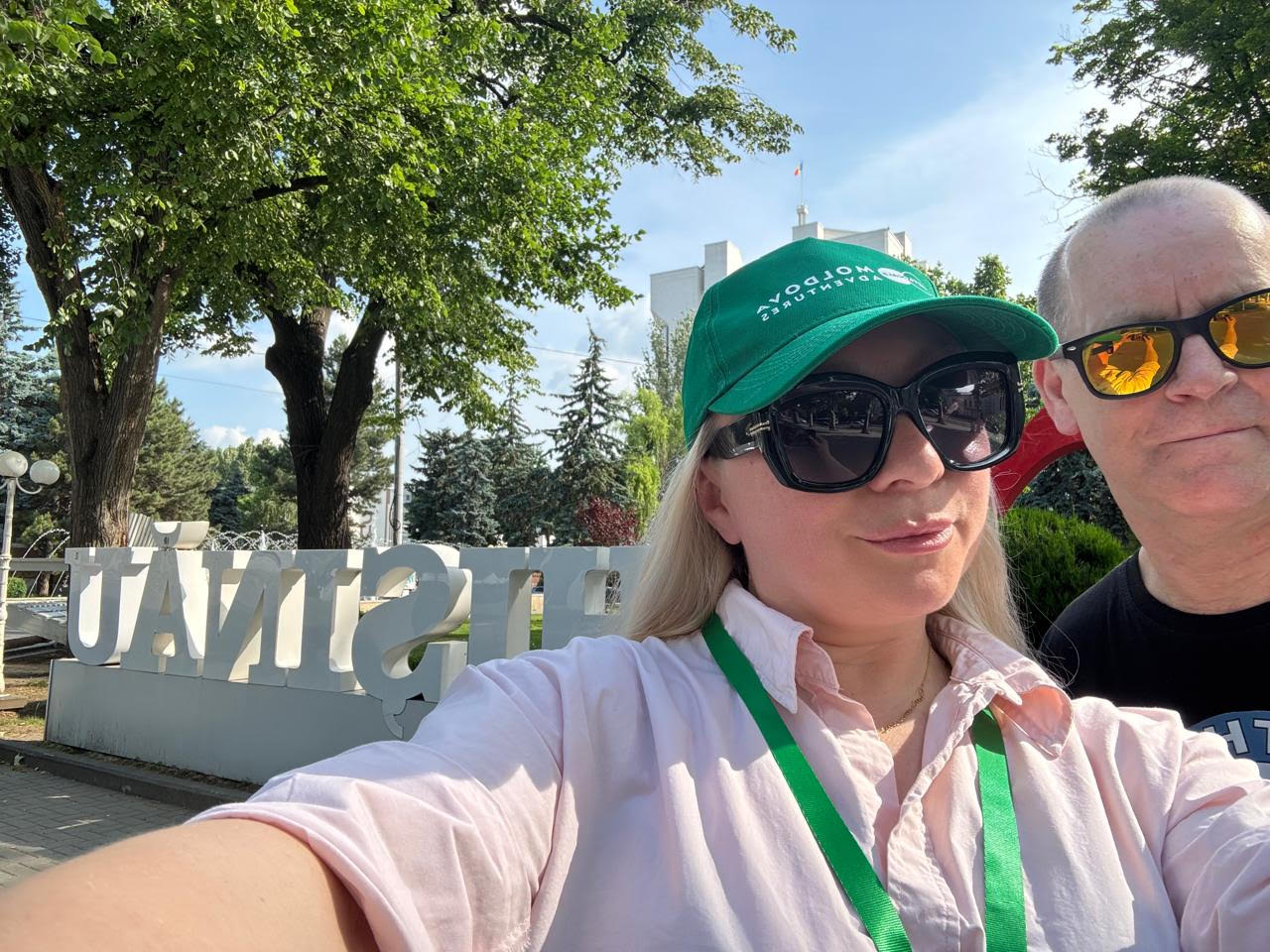
The Route: Landmarks and Layers of History
A classic Chișinău walking tour is a carefully curated walk through the city’s historical center. The route usually covers around 2 to 3 hours and is designed to show you the city’s most significant sights while maintaining a comfortable pace with regular stops for explanations, photos, and sometimes, a glass of local wine.
1. The Imperial and Pre-Soviet Core
The walk often begins by exploring the elegant, tree-lined boulevards that showcase the city’s 19th-century charm.
The Triumphal Arch and Nativity Cathedral: This is the city’s iconic postcard view. The Triumphal Arch, built in 1840 to commemorate the Russian victory in the Russo-Turkish War, stands as a grand neoclassical gate. Next to it is the Nativity Cathedral, a stunning example of Russian Empire architecture with its imposing columns and dome . Your guide will explain how this area was the ceremonial center of Russian Bessarabia.
Stefan cel Mare Boulevard and the Central Park: The city’s main boulevard, Stefan cel Mare, is a wide, green promenade. The Stefan cel Mare Central Park, the city’s oldest park, is a favorite spot for locals to relax. Here, you’ll find the Monument to Stephen the Great (Ștefan cel Mare), a powerful national symbol of Moldova’s medieval prince who fought against the Ottoman Empire . The Alley of Classics (Aleea Clasicilor) is also located in the park, a serene walkway lined with busts of renowned Romanian and Moldovan literary figures .

2. The Soviet Legacy: Architecture and Ideology
As the tour progresses, the architectural style shifts dramatically. You’ll see some of the most distinct examples of Soviet-era construction, which your guide will use as a canvas to tell the story of the 20th century.
Government and Administrative Buildings: You’ll pass the imposing Parliament of Moldova and the Presidential Palace. These buildings, with their grand, stern facades, are physical manifestations of Soviet power and continue to be the centers of political life today .
Soviet Brutalism and Modernism: The tour will highlight examples of Soviet Brutalist and modernist architecture. Buildings like the Hotel Cosmos are recognizable examples of late-Soviet design—functional, monumental, and often a bit austere . Guides may point out how these structures reflect both the ambitions and the limitations of the Soviet project.
Monuments with Controversial Histories: You might stop near the monument to Grigory Kotovsky, a Soviet military commander and revolutionary figure . Guides are careful to provide context and explain his controversial legacy, using him as a starting point for discussing how historical memory is interpreted and contested in modern Moldova.

3. Hidden Gems and Everyday Life
Many tours, especially those focused on a local perspective, will guide you off the main boulevards to uncover the city’s “hidden soul” . This often includes:
Hidden Courtyards (Courtyards of Chișinău): Venturing into the residential blocks behind the main streets reveals a different world. You might see “hidden courtyards” filled with street art, a patchwork of crumbling balconies, and unexpected quiet corners that offer a glimpse into daily life .
Pedestrian Streets: You’ll walk along Eugen Doga Street, a lively pedestrian thoroughfare. This area is the heart of local café culture, filled with street musicians, outdoor seating, and a vibrant energy .
Unique Tours and Special Additions
While the classic city tour is popular, you can find specialized walks that cater to specific interests.
The Soviet History and Wine Experience
This tour dives deep into the Soviet period, starting at the main railway station and visiting the Palace of Railway Workers . A unique feature is the inclusion of Moldovan wine tasting. You’ll be served wine at selected stops, with the guide explaining how wine culture survived and evolved through the Soviet era. The tour often culminates at a local “Soviet Flea Market,” where you can browse for vintage medals, badges, cameras, and other curiosities. Your guide can help you distinguish authentic items from reproductions and offer bargaining advice .

The Heritage and Museum Walk
For a more structured historical experience, a heritage walk may include visits to major museums . This tour often begins at the Pushkin House Museum, the small cottage where the poet Alexander Pushkin lived in exile during the 1820s. From there, you would walk to the National Museum of History to see ancient treasures and 20th-century artifacts, and then to the National Museum of Ethnography and Natural History, which is famous for its Moorish-style architecture and the skeleton of a giant deinotherium .
What to Expect from Your Guide
The quality of your experience is deeply tied to your guide. A good guide in Chișinău is a storyteller and a cultural translator. You can expect:
Expert Knowledge: Guides are passionate about their city and provide insightful commentary on its complex history, from Ottoman times to the present day .
Balanced Perspectives: Guides will typically present a nuanced view of Moldova’s past. They are careful to explain the Soviet era without glorifying it, using architecture and monuments to discuss how the period shaped the city .
Personal Stories and Local Tips: Many guides are born-and-raised locals who can share personal anecdotes and provide practical recommendations for restaurants, further exploration, and navigating the city.

Practical Considerations for Your Walk
Duration: Most walking tours in Chisinau last between 2.5 and 3.5 hours, with some longer heritage walks lasting up to 5 hours . Chisinau is inexpensive and so are guided tours.
What to Bring: Comfortable shoes are absolutely essential, as you’ll be on your feet for several hours . A camera is a must, and you should dress for the weather as tours operate in all conditions . Bringing a bottle of water is also recommended, especially in the warmer months .
Language and Group Size: Tours are available in English, Romanian, and Russian. Most tours operate in small groups to ensure a more personal and interactive experience .
Conclusion: More Than Just a Walk
A guided walking tour in Chișinău is the best way to understand Moldova’s capital. You will go beyond the guidebooks, walking through a city where the past is not just in history books but etched onto the facades of its buildings and into the stories of its streets. You will learn about the city’s multicultural past and feel its mix of resilience, hope, and local pride, leaving you with a richer, more personal understanding of this unique city .
Book your guided walking tour in Chisinau today with GetLocals.