
Introduction: The Fairytale Capital on the Baltic
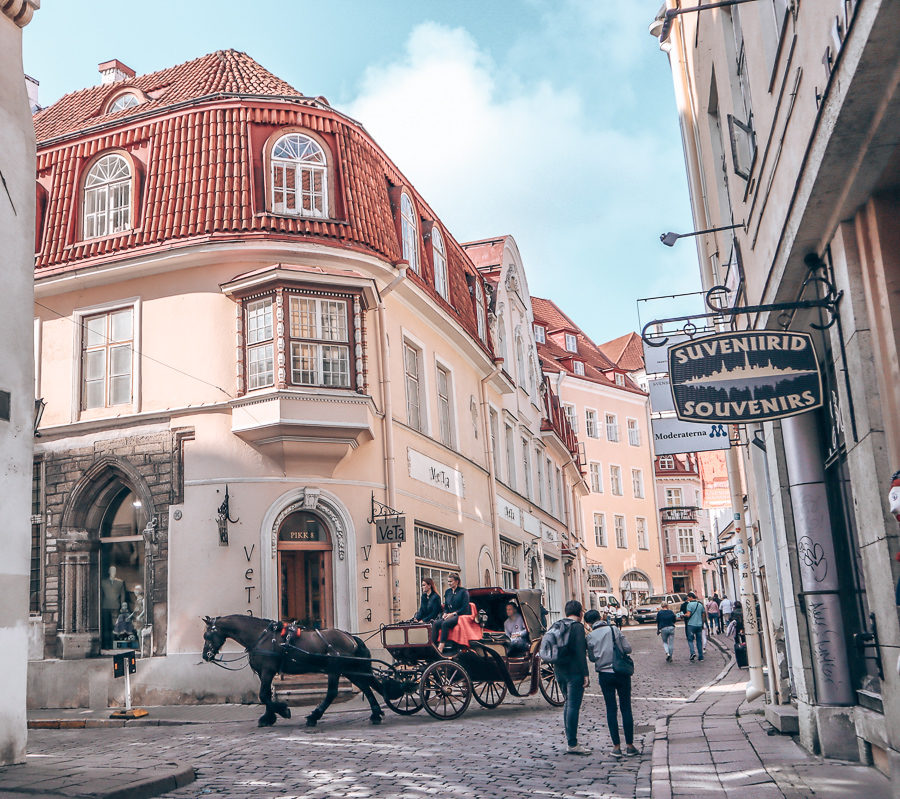
Tallinn, the capital of Estonia, sits perched on the edge of the Baltic Sea, offering travellers a rare combination of medieval charm and modern innovation. With its UNESCO World Heritage-listed Old Town, vibrant creative districts, and affordable prices compared to its Nordic neighbours, Tallinn has become an increasingly popular destination for European city breaks. But is it truly worth visiting, or is it simply a convenient day trip from Helsinki? This comprehensive guide explores everything you need to know to make an informed decision about whether Tallinn deserves a place on your travel itinerary.
The short answer is a resounding yes—Tallinn offers exceptional value for history lovers, culture enthusiasts, and anyone seeking a unique European experience. However, like any destination, it comes with caveats that travellers should understand before booking. Let’s dive deep into what makes Tallinn special, what might disappoint, and how to make the most of your visit.
The Old Town: Europe’s Best-Preserved Medieval Treasure
The heart of Tallinn’s appeal lies in its Old Town, a remarkably intact medieval city that has earned recognition as a UNESCO World Heritage Site since 1997. According to UNESCO, Tallinn represents “an outstanding and exceptionally complete and well preserved example of a medieval northern European trading city that retains the salient features of this unique form of economic and social community to a remarkable degree.”
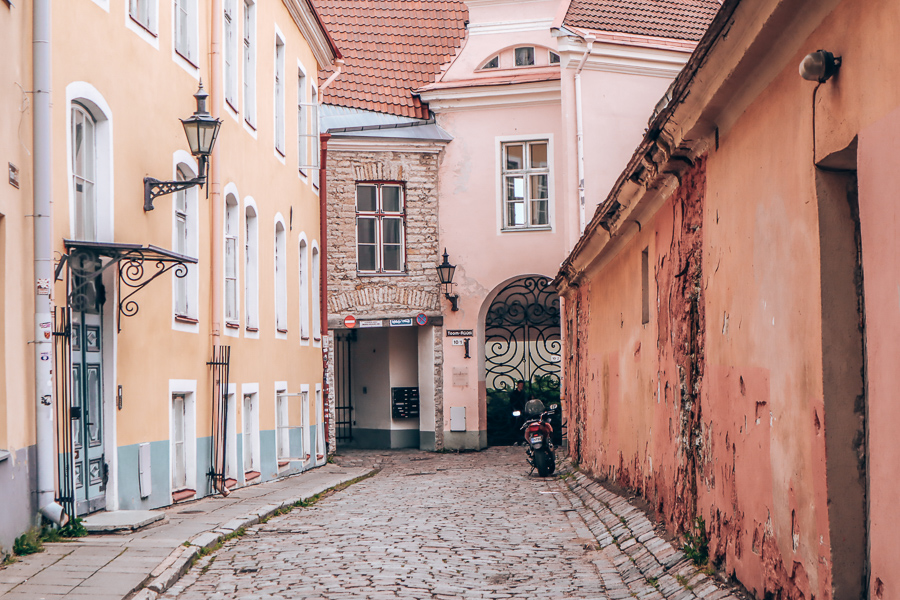
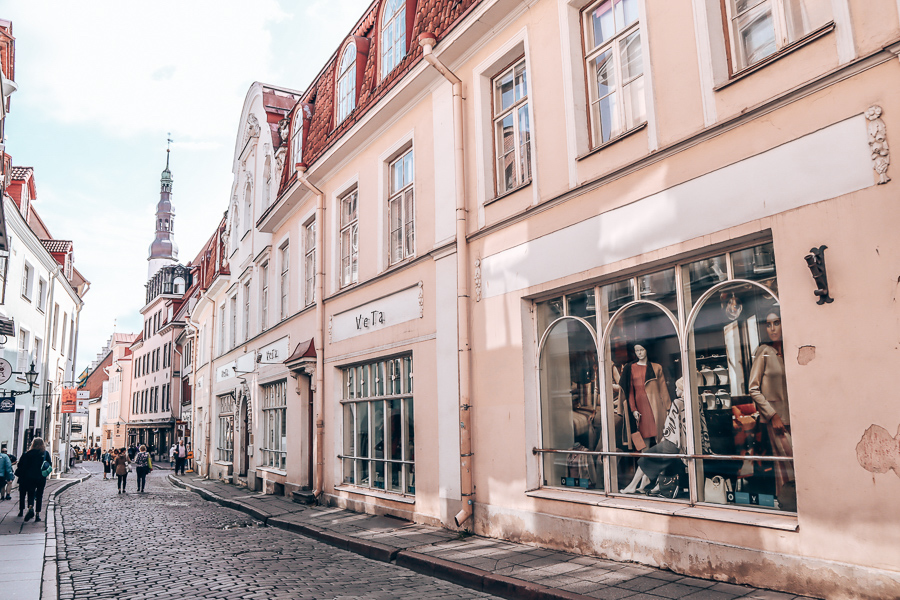
What sets Tallinn apart from other medieval destinations like Bruges or Carcassonne is that it remains a living, functioning neighbourhood rather than an open-air museum. People actually live and work within the ancient walls, giving the city an authentic atmosphere that persists even amid tourist crowds. The medieval street network, many lanes still bearing their original names, dates back to the 13th and 14th centuries, creating a labyrinthine experience that rewards aimless wandering.
Toompea Hill and the Upper Town
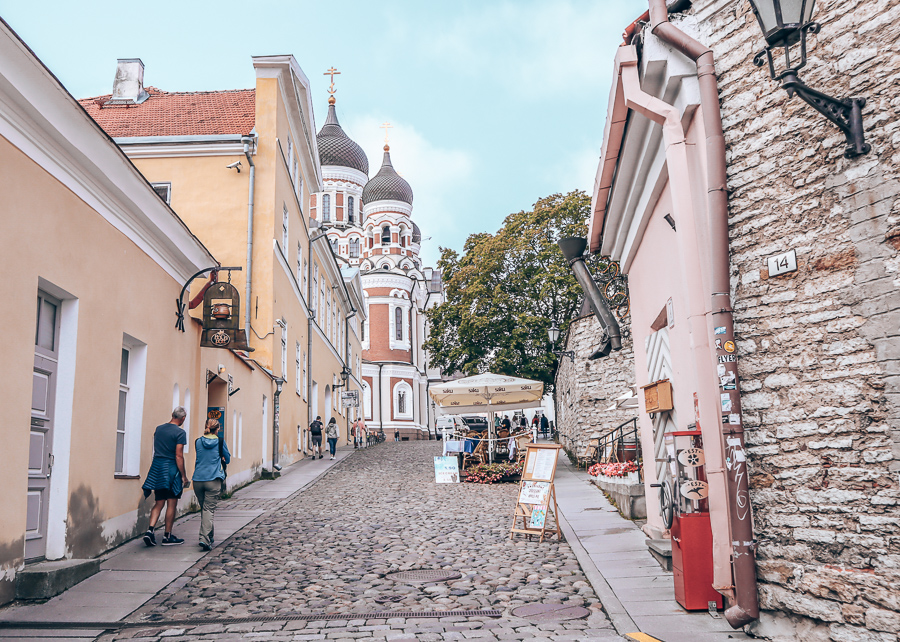
The historic centre divides naturally into two distinct areas: the upper town on Toompea Hill and the lower town at its foot. Toompea has served as the administrative centre of Estonia for centuries, housing the castle and cathedral that have long symbolised power in this region. Today, visitors can explore Toompea Castle, which now houses the Estonian Parliament, and admire the contrasting architectural styles that reflect the country’s complex history under Danish, Swedish, Russian, and Soviet rule.
The viewing platforms on Toompea Hill—Kohtuotsa and Patkuli—offer the quintessential Tallinn experience: panoramic vistas over the red-tiled roofs, church spires, and the harbour beyond. Travel experts recommend arriving early morning or late evening to avoid the crowds that descend during peak hours. The views from these vantage points provide an unforgettable perspective on why Tallinn’s skyline is considered one of the most beautiful in Northern Europe.
Alexander Nevsky Cathedral
One of Tallinn’s most recognisable landmarks, the Alexander Nevsky Cathedral, stands in striking contrast to the surrounding Gothic architecture. Built in the late 19th century during the Russian Imperial period, this Eastern Orthodox masterpiece features five distinctive onion domes crowned with gilded crosses. The cathedral’s ornate facade, intricate mosaics, and ornamental brickwork offer insight into the Russian influence on Tallinn that has shaped Estonian history.
While the cathedral represents a complex chapter in Estonian history—it was constructed during a period of Russification and remains less popular with locals than tourists—it nonetheless stands as an important architectural and cultural monument worth exploring.
Town Hall Square (Raekoja Plats)
At the heart of the lower town lies Raekoja Plats, the Town Hall Square, which has served as the city’s social and commercial centre for over 800 years. The Gothic Town Hall, completed in 1404, dominates the square and remains one of the most significant medieval civic buildings in Northern Europe. Visitors can climb the 115 steps inside the Town Hall tower for panoramic views, or simply enjoy the square’s atmosphere from one of the surrounding cafés.
The square comes alive throughout the year with seasonal markets and cultural events. In summer, it hosts Old Town Days—a festival featuring music, street theatre, and art—while winter transforms it into a magical Christmas market setting.
Beyond the Old Town: Kalamaja and Telliskivi
While the medieval Old Town captures most visitors’ attention, Tallinn’s modern cultural renaissance is best experienced in Kalamaja, the former fishermen’s and factory-workers’ district just beyond the railway tracks. This neighbourhood has transformed into the city’s creative heart without losing its distinctive character, retaining colourful wooden houses that stand in charming contrast to the medieval stonework nearby.
Telliskivi Creative City
Within Kalamaja lies Telliskivi Creative City, a complex of repurposed industrial buildings that now houses galleries, design shops, street food markets, and some of the city’s trendiest restaurants. The area hosts regular events and markets, making it a dynamic counterpoint to the historic Old Town. For travellers interested in contemporary Estonian culture and design, this district alone justifies extending a visit beyond a simple day trip.
Seaplane Harbour Museum
One of Tallinn’s standout attractions, the Seaplane Harbour Museum (Lennusadam), occupies a stunning tsarist-era seaplane hangar by the waterfront. The museum displays real boats, a seaplane, and an entire 1930s submarine that visitors can climb inside. Even those indifferent to maritime history find the building’s unique architecture impressive. Travel experts consistently rate this museum as genuinely excellent rather than a tourist trap, making it a worthwhile investment of at least two hours.
Kadriorg: A Baroque Palace and Art Paradise
A short tram ride from the city centre brings visitors to Kadriorg, an upscale residential area named after Catherine I, wife of Peter the Great. The neighbourhood centres on Kadriorg Palace, a Baroque masterpiece built by the Russian emperor as a summer residence in the early 18th century. The palace now houses the Kadriorg Art Museum, where impressive collections hang within ornate rooms overlooking the surrounding park.
The 300-year-old Kadriorg Park offers 70 hectares of beautifully landscaped gardens, fountains, swan ponds, and tree-lined paths. The park also contains the Kumu Art Museum, Estonia’s flagship contemporary art institution, which provides a striking modern contrast to the Baroque palace. For travellers seeking a break from medieval streets and a glimpse of how Tallinn’s elite once lived, Kadriorg offers a rewarding half-day excursion.
Book a guided tour in Tallinn today
The Soviet Legacy: Complex History and Dark Tourism
Tallinn’s history extends far beyond the medieval period, and understanding its 20th-century experiences under Soviet occupation adds crucial context to any visit. Several sites and museums explore this challenging history, offering visitors meaningful opportunities to engage with Estonia’s complex past.
KGB Prison Cells and the Viru Hotel
The KGB Prison Cells in the Old Town provide a sobering look at Soviet repression. Additionally, the Sokos Hotel Viru offers tours of its 23rd floor, where the KGB once maintained a secret surveillance post. Visitors enter through a door marked “There is nothing here”—a darkly ironic phrase that epitomises the era’s secrecy. The tour reveals bugging devices and surveillance equipment, including dining plates with built-in microphones, offering tangible connections to Cold War history.
Vabamu Museum of Occupations and Freedom
For a comprehensive understanding of Estonia’s experience under both Nazi and Soviet occupations, the Vabamu Museum of Occupations and Freedom provides essential context. Located on the edge of the Old Town, this museum tells the story of Estonia’s struggle for independence and the resilience of its people.
The Bastion Tunnels
Beneath Tallinn’s streets lies a network of 17th-century bastion passages that have served military, civilian, and Cold War purposes throughout their history. Guided tours of these atmospheric tunnels, accessible from the Kiek in de Kök Fortifications Museum, reveal stories of siege warfare and Soviet occupation. The tunnels maintain a constant temperature of around 11°C, so visitors should bring appropriate clothing.
Practical Considerations: When to Visit and How Long to Stay
Best Time to Visit
Tallinn’s appeal varies significantly by season. Summer (June through August) offers long daylight hours, lively streets, and the easiest travel conditions. However, this also brings the heaviest crowds, particularly when cruise ships dock and thousands of day-trippers flood the Old Town between 10am and 4pm.
Spring and autumn provide excellent alternatives, with cherry blossoms or russet leaves, fewer crowds, and lower prices. Winter transforms Tallinn into a snow-dusted storybook setting, with glowing Christmas markets and cosy cafés serving mulled wine. However, November through February is dark by mid-afternoon and properly cold, making it a harder sell for travellers without specific winter interests.
How Long to Stay
Travel experts generally recommend two to three days for Tallinn. The headline sights—Old Town, Toompea Hill, Kalamaja, and Kadriorg—can be comfortably covered in this timeframe without rushing. Those expecting a full week’s worth of urban activities may find themselves padding their itinerary by day three. However, Tallinn serves as an excellent base for exploring Estonia’s countryside, with day trips to Lahemaa National Park, Keila-Joa Waterfall, and other attractions within easy reach.
Getting There
Tallinn is remarkably accessible despite its location at Europe’s northeastern edge. Ferries from Helsinki cross the Gulf of Finland in approximately two hours, making a day trip from Finland entirely feasible. The city’s airport is conveniently located just minutes from the centre, and buses connect to Riga, St Petersburg, and other regional destinations. Within the city, the compact layout means most attractions are best explored on foot—though comfortable shoes are essential given the cobblestone streets and hilly terrain.
Safety and Affordability
Recent surveys confirm that Tallinn remains a safe destination, with 100% of surveyed cruise visitors reporting they felt safe during their visit. Compared to Helsinki, Stockholm, or Copenhagen, Tallinn offers significantly better value, with lower prices for accommodation, dining, and attractions. This affordability makes it an attractive option for budget-conscious travellers exploring the Baltic region.
Potential Drawbacks: An Honest Assessment
No destination is perfect, and Tallinn has aspects that may disappoint some visitors. The Old Town’s compact size means crowds concentrate densely, particularly during summer cruise season. Between approximately 10am and 4pm, the main squares and streets can feel uncomfortably packed, transforming charming medieval lanes into queuing experiences. Visiting early morning or evening reveals a dramatically different, more peaceful city.
Restaurants within the medieval walls often charge tourist prices for generic “medieval tavern” theming. The actual food scene has migrated to Kalamaja and other neighbourhoods, where visitors find better value and more innovative cuisine.
Some travellers note that while Tallinn’s Old Town is undeniably beautiful, those who have already explored Kraków or Prague may find it less dramatically different than expected. The city’s compact scale also means there’s less indoor refuge during inclement weather compared to larger capitals.
Day Trips and Beyond
Tallinn’s position makes it an excellent base for exploring Estonian nature and neighbouring countries. Lahemaa National Park, Estonia’s largest and oldest national park, lies just 60 kilometres from the city and offers pristine coastline, ancient manor houses, and bog landscapes. Keila-Joa Waterfall, the country’s most photogenic waterfall, is only 35 kilometres away. For those with more time, Haapsalu—a romantic seaside town with a 13th-century castle—makes a rewarding day trip.
The Helsinki ferry connection opens possibilities for combining Finnish and Estonian experiences, while buses and trains connect to Riga and other Baltic destinations for those exploring the region more broadly.
Conclusion: The Verdict
Is Tallinn worth visiting? Absolutely—for the right traveller with the right expectations. The city offers one of Europe’s most complete and well-preserved medieval centres, a vibrant contemporary culture scene, and excellent value compared to Nordic neighbours. The Old Town’s UNESCO-listed architecture, the creative energy of Kalamaja, and world-class museums like the Seaplane Harbour justify the journey.
However, Tallinn is best experienced as a long weekend destination rather than a week-long stay. The headline attractions concentrate within roughly one square kilometre, and travellers expecting extensive urban exploration may find themselves seeking day trips by the third day. Summer visitors should plan around cruise ship schedules to avoid peak crowds, while winter travellers should embrace the atmospheric darkness or choose a different season.
For history enthusiasts, medieval architecture lovers, design-minded travellers, and anyone seeking an affordable European city break with genuine character, Tallinn delivers. The city’s ability to balance preservation with modern vitality—ancient walls housing contemporary galleries, medieval squares hosting craft beer bars—creates an experience that feels both timeless and thoroughly contemporary. Whether you arrive by ferry from Helsinki for a day trip or settle in for a long weekend, Tallinn’s fairytale streets and innovative spirit are likely to leave you glad you came.
Book Tallinn excursions and tours with Getlocals.

Bryn Jacobs Chief Editor
Hello dear Travelers! I am Bryn Jacobs and I am your travel advisor. Having a vast experience in traveling throughout Eastern Europe and having researched this part of the world myself. I write articles on the site about travel experiences in Eastern Europe with statistics and interesting facts.