
The least visited capital in Europe. A city of lingering post-Soviet charm and world-beating wine cellars. A place where the past is written in grand boulevards and the present hums in bustling markets. This is Chișinău, Moldova’s green and quietly captivating capital, a destination for those who prefer authenticity over polish and discovery over the well-trodden path. Here is what to expect on a trip to this surprising city and what tours and excursions are available in Chisinau.
1. First Impressions and the Heart of the City
Chișinău doesn’t try to impress at first glance. You won’t be greeted by a skyline of glittering skyscrapers but by a sprawling, verdant city where the scent of linden trees mingles with the faint hum of trolleybuses. The city sprawls across rolling hills, a mix of grand but weathered 19th-century architecture and imposing Soviet-era blocks that tell a story of a complex and resilient past. This is a city that feels lived-in and unpretentious, where paint peels from elegant stucco facades and the very air seems to whisper of history. Let us learn more about visiting Chisinau.
Your journey will likely begin along Bulevardul Ștefan cel Mare și Sfânt, the city’s main artery. This bustling boulevard is the spine of Chișinău, a grand, tree-lined avenue where you’ll find a lively mix of locals and the city’s most significant landmarks. It’s a perfect starting point for getting your bearings and soaking in the city’s unique atmosphere.
At the heart of the boulevard lies Stephen the Great Central Park (Parcul Central Ștefan cel Mare), the city’s oldest and most beloved green space, established in 1818. This is where Chișinău comes to breathe. On any given day, you’ll see families strolling, friends chatting, and couples enjoying the peaceful atmosphere beneath the canopy of 50 species of trees. The park is not just a haven of greenery; it’s a walk through Moldovan history. The Alley of Classics (Aleea Clasicilor) is lined with busts of Romania’s and Moldova’s most cherished literary and political figures, transforming a simple stroll into a cultural pilgrimage. Keep an eye out for the monument to Alexander Pushkin, the famed Russian poet who lived here in exile. The park’s vibrant energy, especially on weekends when you might see locals dancing to music, offers a genuine taste of local life.
Across the boulevard from the park is the Cathedral Park, a serene space centred around the magnificent Nativity Cathedral (Catedrala Mitropolitană Nașterea Domnului). This stunning Orthodox cathedral, a masterpiece of Byzantine architecture built in the 1830s, is a must-see. Step inside to admire its ornate frescoes and feel the spiritual calm that pervades the space. The park itself, with its fountains and cafes, is a perfect place for a moment of quiet reflection, mirroring the peaceful rhythm of the city.
Just outside Cathedral Park, you’ll encounter the city’s most iconic monument: the Triumphal Arch (Arcul de Triumf). Built in 1840 to commemorate the Russian Empire’s victory over the Ottomans, this arch stands proudly at the entrance to the park, a symbol of the city’s enduring resilience and a favourite spot for photographs.
2. A Walk Through History, From Empires to Independence
Exploring Chișinău is like turning the pages of a complex history book. The city’s past is etched into its buildings and monuments, from the Russian Empire to the Soviet era. Transnistria is a safe Soviet time capsule.
For a deeper dive into the country’s roots, the National Museum of History of Moldova is essential. Its rich collection of artifacts and exhibits artfully showcases the country’s journey through ancient times, the medieval period, and the modern era. It’s here you can truly begin to understand Moldova’s unique identity, shaped by centuries of Romanian and Russian influence. The museum’s collection includes a notable dinosaur skeleton, adding a touch of prehistory to the narrative.
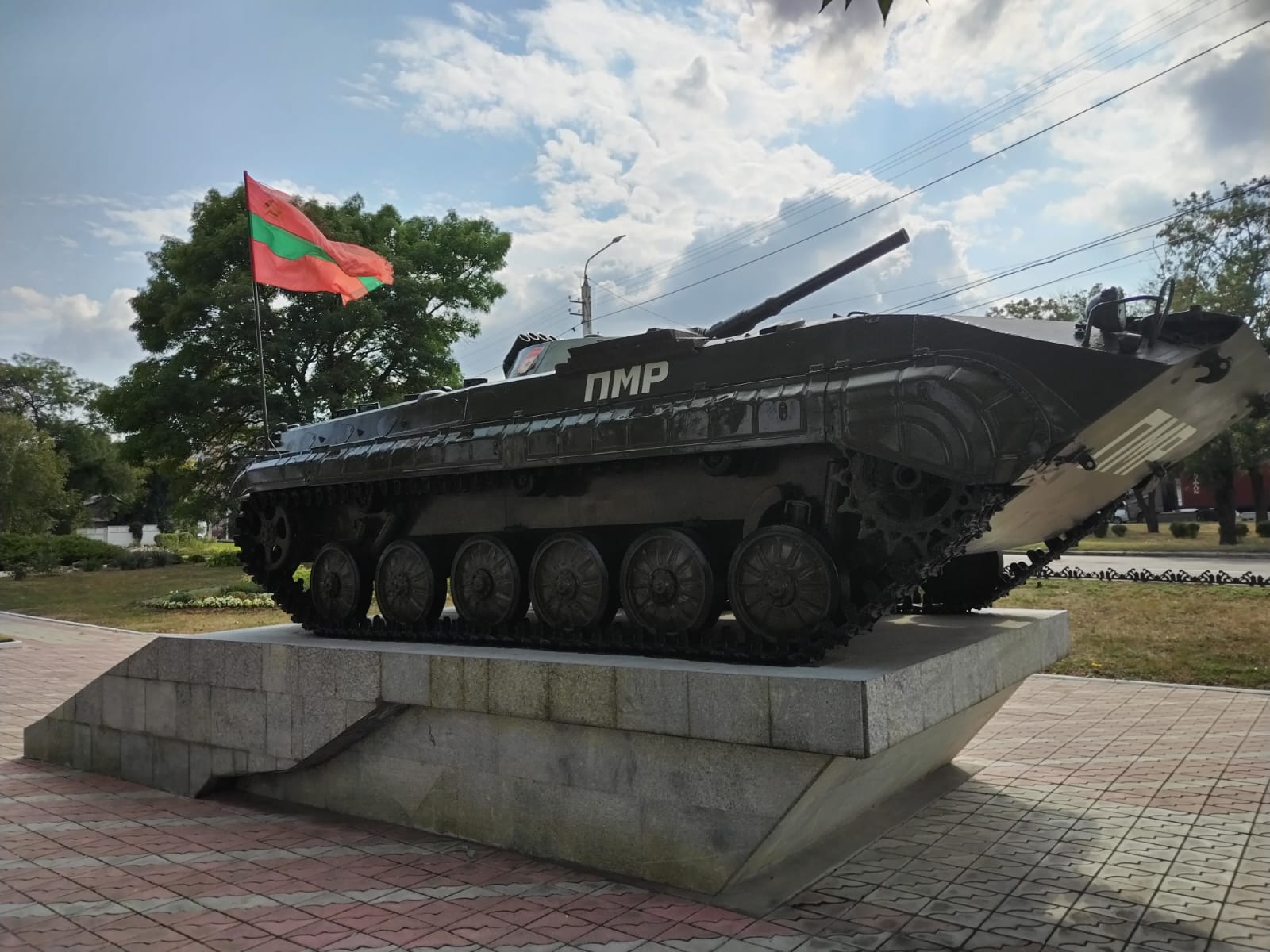
The Soviet period left an indelible mark. For enthusiasts of brutalist architecture, Chișinău offers a treasure trove of imposing structures. Look out for the stark, monumental forms of Hotel Cosmos, the towering Romanița block, and the abandoned State Circus, a hauntingly beautiful relic of a bygone era. The Government House and the Presidential Palace are other key examples of Soviet-era monumental architecture, their grand facades a testament to the power and ambition of the USSR. Transnistria tours have become very popular.
A particularly poignant reminder of the 20th century’s tragedies is the Eternity Memorial Complex (Complexul Memorial Eternitate). This memorial is a powerful tribute to the victims of World War II, featuring a stunning monument dedicated to eternal peace. Another important site is the Monument to the Deportees, located near the train station, which honours those who suffered under Stalinist repression. Visiting these sites offers a sombre but vital perspective on the country’s resilience.
3. Beyond the Boulevard: Parks, Markets, and Daily Life
While history is everywhere, the soul of Chișinău is found in its green escapes and bustling markets. Valea Morilor Park is arguably the city’s most picturesque spot. Centred around an artificial lake, it’s a favourite for walking, jogging, or simply relaxing by the water. The park’s Cascade Stairs and small colonnades give it a distinctly European, almost Parisian feel. Keep a sharp eye out for a tiny, charming statue of the Little Prince, perched on a fence post, a whimsical nod to Saint-Exupéry’s beloved character.
For a truly authentic experience, lose yourself in the vibrant chaos of the Central Market (Piața Centrală). This is where the real Moldova comes to life. It’s an enormous, bustling market where vendors sell everything imaginable: mountains of fresh fruits and vegetables, barrels of pickles, wheels of brined cheese, and jars of dark, floral honey. The air is thick with competing perfumes—dill, cilantro, and parsley mingle with the smell of smoked meat and fresh bread. Bring cash, and be prepared to bargain gently. It’s a feast for the senses and an unforgettable glimpse into the daily life of Chișinău’s locals. This is not a market created for tourists; it is a market for the people, and that is what makes it so special.
4. A Spiritual and Cultural Sojourn
Chișinău is home to several beautiful religious sites beyond the main cathedral. The Ciuflea Monastery, with its vibrant blue walls and gleaming golden domes, is an eye-catching and spiritual place. It’s dedicated to Saint Theodore and offers a peaceful retreat from the city bustle. Another gem is the Transfiguration Church, located a stone’s throw from the Presidential Palace. Built at the turn of the 19th and 20th centuries, it was used as a planetarium during the Soviet era before being handed back to the Orthodox Church. Its story is a powerful symbol of the country’s return to its spiritual roots.
For a taste of high culture, look no further than the National Opera and Ballet Theatre “Maria Bieșu”. This grand, Soviet-era building is the beating heart of Moldova’s artistic soul, and it offers an experience far removed from the stuffy elitism of many Western opera houses. Tickets are remarkably affordable, and the audience is a mix of locals in jeans and the occasional overdressed visitor. The performances are raw, passionate, and powerful, offering a genuine connection to Moldovan culture. Even just sitting on the steps of the grand building at sunset, as the sky turns pink and orange over the city, is a simple and perfect Chișinău moment.
The National Museum of Fine Arts of Moldova, housed in a historic mid-19th-century building, showcases a diverse collection of local and international art, offering another lens through which to view the country’s cultural heritage.
5. The Undisputed Crown Jewel: Moldovan Wine
No trip to Moldova is complete without delving into its world-class wine. The country boasts some of the largest and most impressive wine cellars on the planet. The crown jewel is Mileștii Mici, home to the largest wine cellar in the world, an underground labyrinth of tunnels stretching for a staggering 200 kilometers. A tour here is a surreal experience; you’ll drive through the subterranean streets in a small car, passing millions of bottles and barrels that line the walls. The wine, aged to perfection, is a testament to Moldova’s rich winemaking tradition. let us learn a little about wine tours in Moldova.
For a similarly spectacular experience, consider visiting Cricova Winery, another vast underground wine city that offers tours and tastings. These cellars are not just tourist attractions; they are a source of national pride and the soul of Moldovan hospitality. The sheer scale of these operations, hidden beneath the unassuming Moldovan landscape, is something you have to see to believe. If you can time your visit for the first weekend of October, you’ll experience the National Wine Day celebrations, where the city center transforms into an open-air festival with tastings, folk music, and food.

6. Eating and Drinking Like a Local
Moldovan cuisine is humble, hearty, and deeply satisfying, a reflection of its agricultural bounty. For an authentic meal, head to a traditional cellar restaurant like La Taifas, where the stone walls and folk music create a perfect ambiance. Here, you must try mămăligă, the national dish of polenta, which is often served with a sharp brined cheese (brânză) and sour cream.
Another classic is zeamă, a traditional chicken soup with homemade noodles, perfect for a comforting lunch. Don’t leave without trying the plăcinte, which are traditional pastries filled with a variety of fillings, from savory cheese, potatoes, or cabbage, to sweet pumpkin or cherries. For a sweet treat, seek out the Guguță Hat Cake, a whimsical dessert inspired by a beloved Moldovan children’s book character, made from rolled crêpes layered with sour cherries and cream.
For a more modern coffee experience, join the locals at Tucano Coffee. What started as a small local business has grown into an international chain, and it’s a source of national pride. With its distinct Latin-inspired decor, it’s a great spot for people-watching and a dose of contemporary Moldovan culture.

7. A Gateway to the Extraordinary
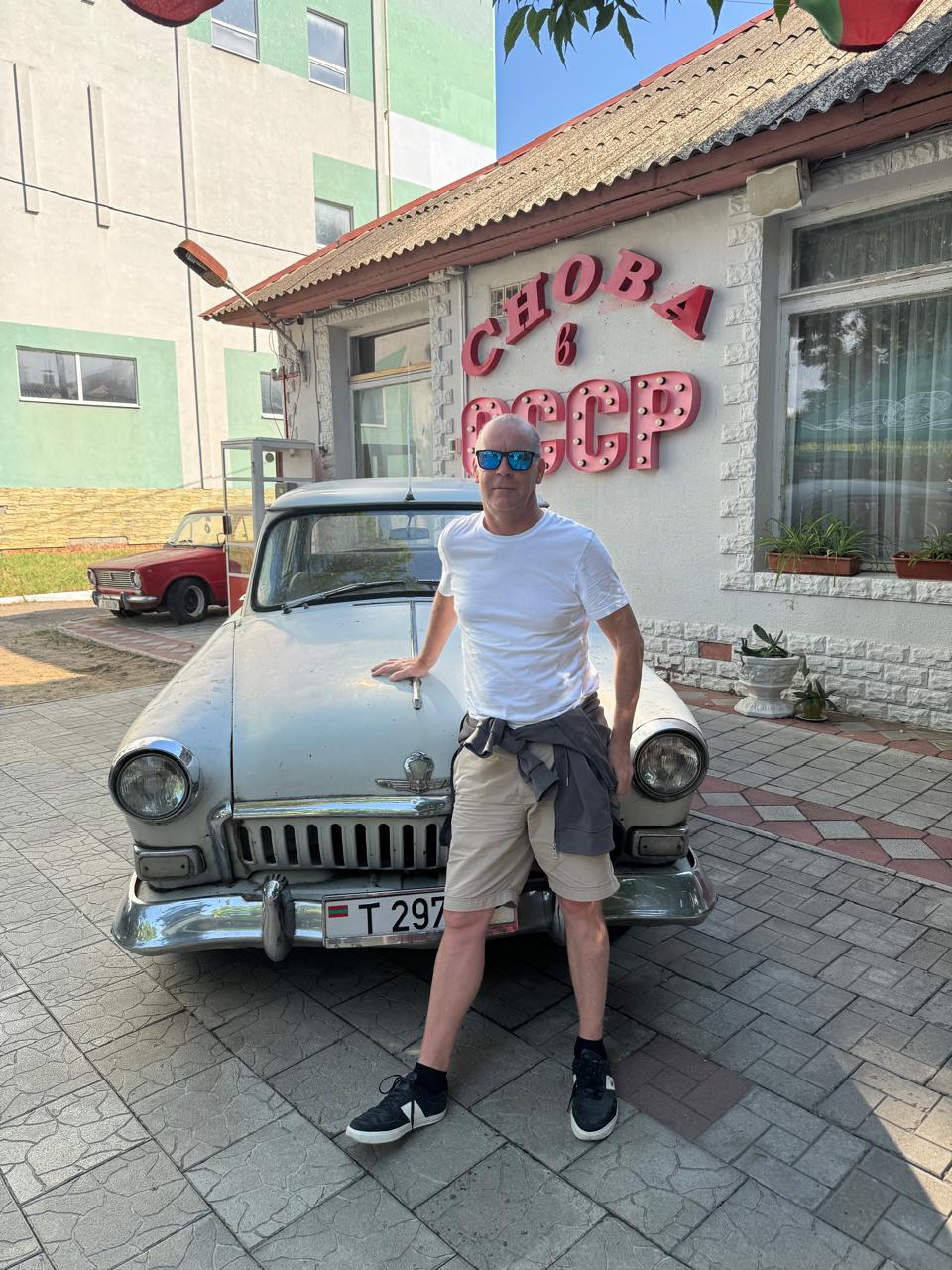
Chișinău’s location makes it a perfect base for exploring some of Europe’s most unusual destinations. The breakaway region of Transnistria is a self-declared republic not recognized by the international community, offering a unique and surreal travel experience. Just a two-hour marshrutka ride from Chișinău, it’s a step back in time, where Soviet-era symbols and a planned economy remain a part of everyday life.
You can visit independently or take a guided tour that handles the border crossing logistics. It’s a fascinating and safe journey, but it’s crucial to check the latest travel advice, be prepared with cash, and respect the local rules and formalities. This day trip adds an entirely unexpected layer to your Moldovan adventure, making it more than just a city break; it’s an exploration of the geopolitical and cultural complexities of the region.
Chișinău won’t dazzle you with the manicured perfection of Western European capitals. Its charm is found in its honesty: the friendly faces, the affordable prices, the thriving wine culture, and the palpable sense of history. It is a city that quietly hums with life, offering a deeply authentic and rewarding experience for those who venture off the tourist trail. It is a place where you can spend days wandering through verdant parks, sipping coffee under Soviet-era monuments, and exploring some of the world’s greatest underground wine cellars, all for a fraction of the cost of a trip to its more famous neighbors.
Book your Moldova tours and excursions today with GetLocals.