

The breakaway republic of Transnistria is one of Europe’s most intriguing anomalies—a sliver of land that feels frozen in time, yet is constantly evolving in its own distinct way. Officially part of Moldova, this unrecognized state operates with its own government, currency, and border controls. For the adventurous traveler, the question is not whether to visit, but how to navigate its unique complexities safely and meaningfully.
The short answer to the safety question is yes, it is generally safe to visit Transnistria, particularly when you are accompanied by a reputable private guide. However, the conditions for this safety are specific, and the environment differs significantly from a typical European city break. Travel here requires preparation, an understanding of the geopolitical context, and a respect for local laws that are strictly enforced. A private guide is not merely a luxury; in this context, they are an essential tool for unlocking the region’s history while ensuring your security.
This guide explores the safety landscape of Transnistria, the undeniable value of a private guide in Transnistria, and what you can expect from the moment you cross the border to the moment you depart.
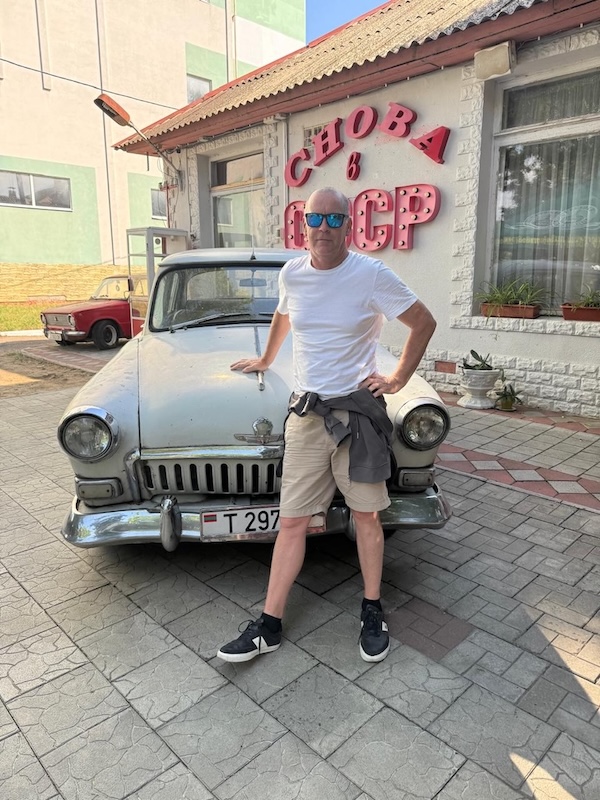
Understanding the Safety Landscape
To assess safety in Transnistria, it is crucial to differentiate between crime and politics. The region is not a war zone. The conflict that created this frozen state in 1992 has long since ceased active hostilities. Today, the streets of Tiraspol, the capital, are notably quiet and orderly. Violent crime targeting tourists is remarkably low, largely due to a heavy police presence and a society that traditionally adheres to strict rules.
Safety Considerations:
Geopolitical Tension: The primary risk factor is not street crime but geopolitical volatility. The region’s status is contested, and the presence of a Russian military contingent creates a complex security environment. In the event of regional instability, the situation could change rapidly.
Strict Law Enforcement: Authorities enforce local regulations with a severity that might surprise Western visitors. Activities that are minor infractions elsewhere—such as photographing military installations, government buildings, or border checkpoints—are treated as serious offenses.
Limited Emergency Infrastructure: While basic medical care is available, advanced treatment or emergency evacuation would likely require transport to Chișinău. A guide is essential in these scenarios for communication and logistical coordination.
The Undeniable Role of a Private Guide
Entering Transnistria without a guide is possible, but it is akin to exploring a maze blindfolded. The practical and safety benefits of hiring a private guide cannot be overstated.
1. Navigating the Bureaucracy: The entry process is the first hurdle. Foreigners are required to register with the local authorities within 72 hours of arrival. A guide handles this often time-consuming paperwork, ensuring you are legally compliant. They know exactly which documents are required, how to expedite the process, and how to communicate with officials who may not speak English.
2. Mitigating Security Risks: A guide acts as a buffer against potential misunderstandings with authorities. They will give you clear instructions on what to avoid and will intervene if a situation arises. They ensure you don’t inadvertently wander into a sensitive area or take a photograph that could lead to detention, which is one of the most significant risks for independent travelers.
3. Unlocking the Narrative: Transnistria is a place of conflicting narratives. The history presented by the government in Tiraspol differs vastly from the Moldovan or international perspective. A guide provides context, explaining why the monuments exist, what the propaganda means, and how the local population genuinely feels about their status.
The Arrival Experience: Crossing the Border
Your visit begins before you enter the country, at the border crossing. The security protocol here is the most tangible indicator of Transnistria’s contested status, and it is where your guide’s role becomes immediately apparent. If you are coming from Chișinău, you will drive to the checkpoint.
The Border Procedure:
Upon arrival, all passengers must disembark and enter the border control building. Expect to present your passport multiple times. The process is thorough but not hostile, despite the presence of armed guards. Your guide will communicate with the officials, presenting the necessary paperwork and translating any questions. This process can take 20 minutes to an hour, depending on the number of vehicles and the temperament of the officer on duty.
The Departure Process:
Leaving is often more stringent than entering. Your passport will be inspected for the entry stamp and migration card. Without this, you will face fines and significant delays. Your guide will have ensured all documents are in order, making the departure process smoother.
The Urban Landscape: Exploring Tiraspol
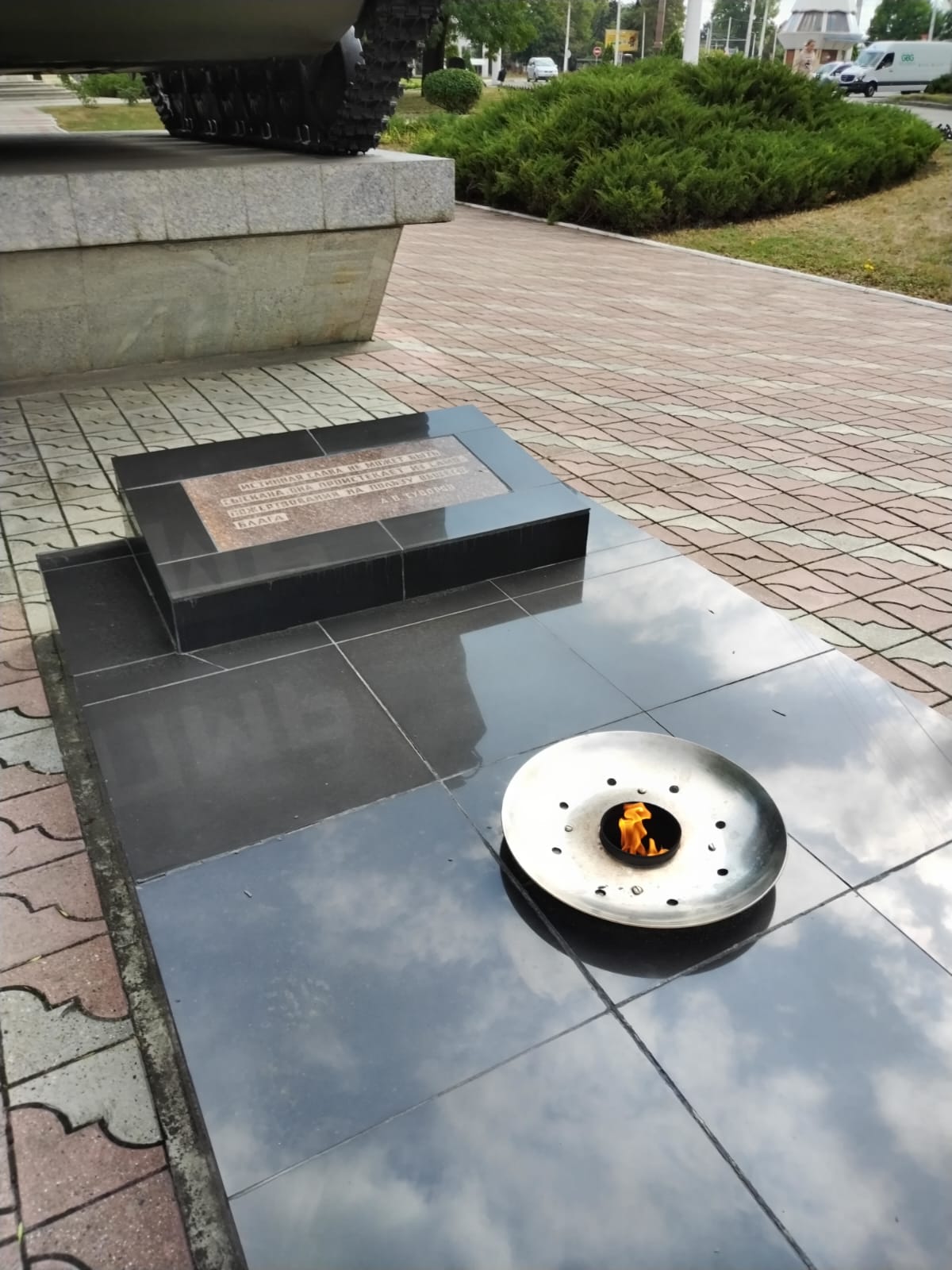
Once you are inside, your private guide will lead you through a city that serves as a museum to Soviet aesthetics. The architecture is monumental, the streets are wide, and the hammer and sickle still adorns public buildings.
The Walking Tour Experience:
A typical back to the USSR tour with a private guide will anchor itself in the city center, particularly around Suvorov Square, the central plaza. Your guide will likely start by providing a historical overview of the region, explaining the Russian Empire’s influence, the Soviet era, and the 1992 war. They will point out key landmarks, such as the statue of Alexander Suvorov, the founder of the city, and the nearby government buildings.
Exploring Soviet Monuments:
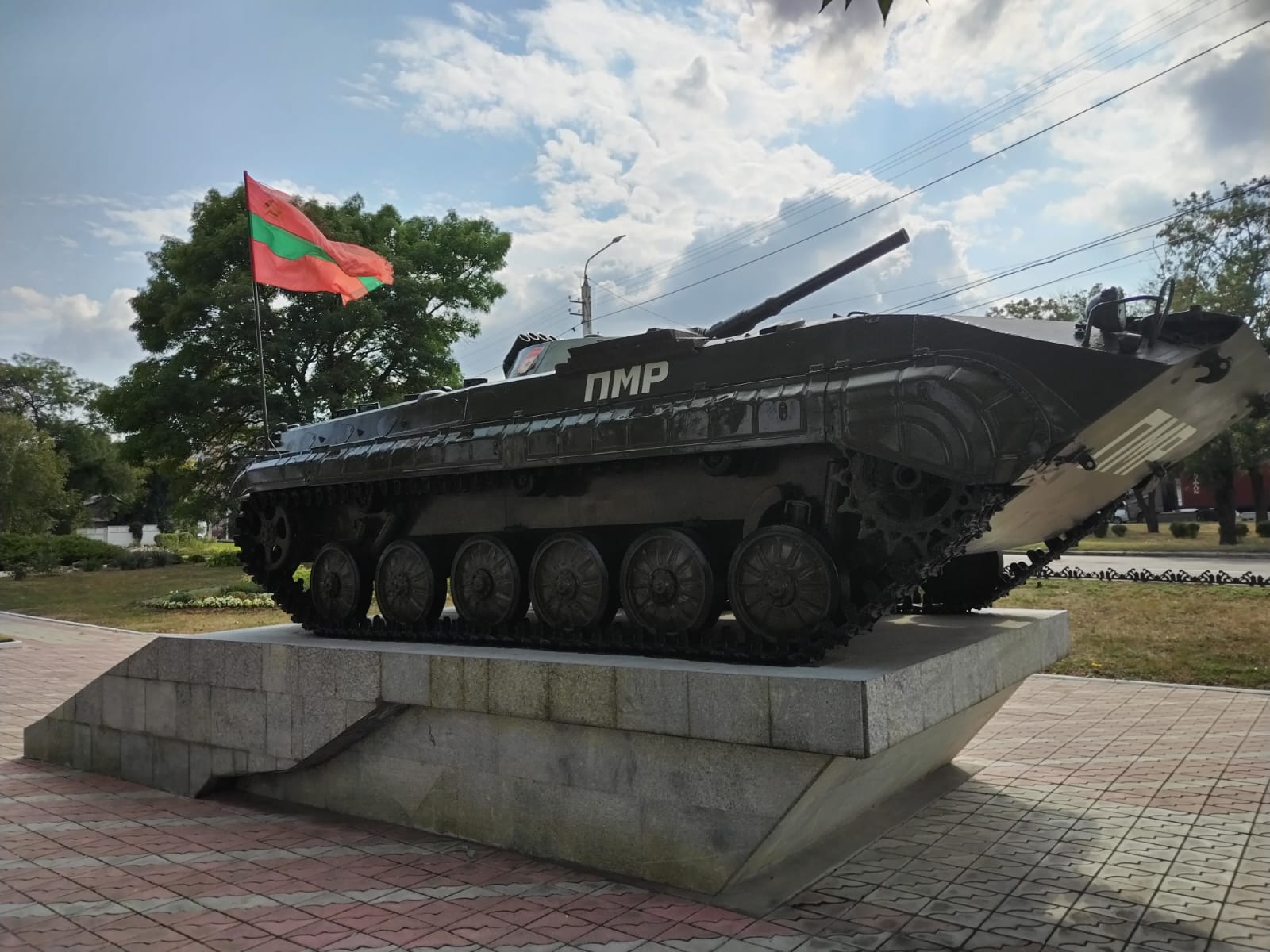
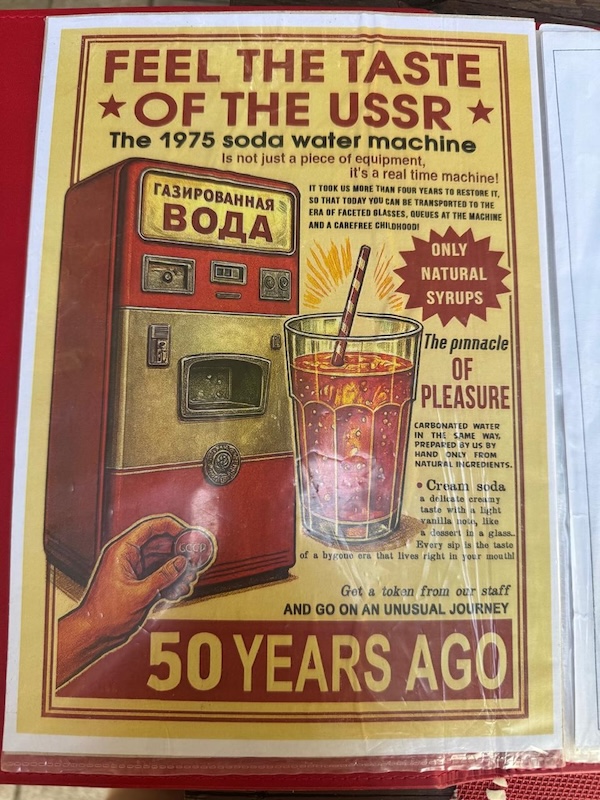
The Tiraspol War Memorial is a central part of the experience. It is a somber and well-maintained site dedicated to the fallen soldiers of the Great Patriotic War. Your guide will provide a respectful interpretation of its meaning, which is central to the local identity.
The Tank Monument:
A decommissioned T-34 tank sits on a pedestal near the memorial. This is a powerful photo opportunity, but your guide will remind you to be respectful and to focus on the historical context rather than treating it as a mere prop.

A Taste of Transnistria: The KVINT Distillery
A visit to the world-famous KVINT Distillery is one of the highlights of any tour and a deeply immersive cultural experience. This is a unique opportunity to see a Soviet-era industrial institution that has successfully modernized.
The Tour Experience:
Your private guide will arrange a tour of the facility, which often includes a walk through the cellars where cognac is aged in oak barrels. You will learn about the history of the brandy and wine-making traditions in the region, which predate the Soviet period.
The Tasting:
The tour culminates in a tasting session. You will have the chance to sample a selection of their products, from the “Divin” (cognac) to their excellent wines and vodkas. A guide is invaluable here, not just for translation, but to explain the nuances of the products, the aging process, and the cultural significance of the distillery to the local economy.
The Village Experience: Bender Fortress
Beyond the capital, your guide will likely take you to the nearby city of Bender to explore the Bender Fortress. This is a pivotal site in the region’s history and a testament to the region’s strategic importance.
Exploring the Citadel:
The fortress is a massive, well-preserved structure dating back to the 16th century, built under the Ottoman Empire. Walking its walls offers a panoramic view of the surrounding landscape. Your guide will narrate the stories of the various empires that have controlled it, explaining its strategic position on the Dniester River.

Connecting Past and Present:
The fortress is a poignant reminder of the region’s history as a crossroads. Your guide will use the site to explain the shifts in power from the Ottoman Empire to the Russian Empire and beyond, helping you understand why the land is so contested today.
Souvenirs and Currency
One of the most unique aspects of visiting Transnistria is the currency. The Transnistrian ruble is not recognized internationally, so it cannot be traded outside the region.
The Souvenir Shop:
You will likely visit a local shop or kiosk to acquire souvenirs. The most prized items for visitors are the commemorative coins. These are often made of plastic and feature historical figures or notable landmarks. They make for an unusual and highly memorable souvenir. Your guide will help you navigate the exchange process and ensure you are getting a fair price.
Payment Realities:
It is essential to note that international credit cards are largely not accepted. You will need to convert your currency to Transnistrian rubles at local exchange points. Your guide can assist with this, helping you exchange only what you need, as the ruble cannot be exchanged back to hard currency outside the region.

The Culinary Scene: A Taste of Soviet Nostalgia
Dining is a significant part of the experience, offering a taste of a culinary landscape that has been influenced by Russian, Ukrainian, and local Moldovan traditions.
The Restaurant Experience:
Your guide will likely take you to a local restaurant that serves traditional cuisine. Expect hearty dishes like mămăligă (a cornmeal porridge), sarmale (cabbage rolls), and a variety of soups. The atmosphere is often communal and cozy, with a strong emphasis on hospitality.
The Role of the Guide:
Your guide will help you navigate the menu, which is often in Russian. They will make recommendations, explain the ingredients, and even show you how to eat certain dishes properly. They also help manage the bill, ensuring you are paying the correct amount.
Digital Isolation and Communication
One of the most practical realities of visiting Transnistria is the absence of modern connectivity. You must prepare for a digital blackout.
Connectivity Status:
Mobile networks and internet services often do not work, or the signals are blocked. You will not be able to access international social media platforms or websites without a VPN. Some cafes and hotels offer Wi-Fi, but it is often slow and unreliable, with certain sites blocked.
The Guide as the Link:
In this disconnected environment, your guide becomes your primary link to the outside world. They are the one who can make calls to the hotel or restaurant, navigate using local maps, and contact authorities if needed. Your guide will also inform you that you cannot use your local SIM card; you will need to purchase a local SIM card from a specific provider if you require data, or rely entirely on the Wi-Fi available at your accommodation.

Who is This Trip For?
The journey into Transnistria is not for everyone. It is best suited for travelers who are deeply interested in history, politics, and the legacies of the Soviet Union.
Ideal Travelers:
History Enthusiasts: Those fascinated by the Cold War and the Soviet era.
Curious Explorers: Travelers who enjoy off-the-beaten-path experiences and are willing to learn about different perspectives.
Cultural Immersion Seekers: Those who want to see how a society operates outside the norms of the European mainstream.
Travelers to Avoid:
Luxury Travelers: Those expecting high-end dining, shopping, and luxury accommodations.
Travelers with Mobility Issues: The infrastructure is aging, and accessibility is limited.
Impatient Travelers: The bureaucratic processes require patience.
Adventure Tourists: Those seeking an adrenaline rush or “danger tourism.”
Conclusion: A Safe and Insightful Journey
Visiting Transnistria with a private guide is a safe and intellectually rewarding experience. It offers a rare glimpse into a world that has chosen a different path, a living museum of Soviet ideals in the 21st century. The safety concerns are real but manageable, and they are all effectively mitigated by the presence of a knowledgeable local expert.
Your guide transforms a potentially confusing and risky trip into a curated, educational, and safe journey. They are the key that unlocks the border, explains the propaganda, translates the history, and ensures your safety. They will show you the heroic monuments and the everyday realities, the propaganda and the genuine pride of a people seeking recognition.
In a world of increasing globalization, Transnistria stands as a defiant outlier. With the right guide, you can explore this forgotten corner of Europe safely, returning home with not just unusual coins and bottles of cognac, but a profound understanding of a complex and fascinating place.
Book your private Transnistria tour today with GetLocals.