
Getting from Tallinn to Narva for a Day Trip: All Your Options Explained
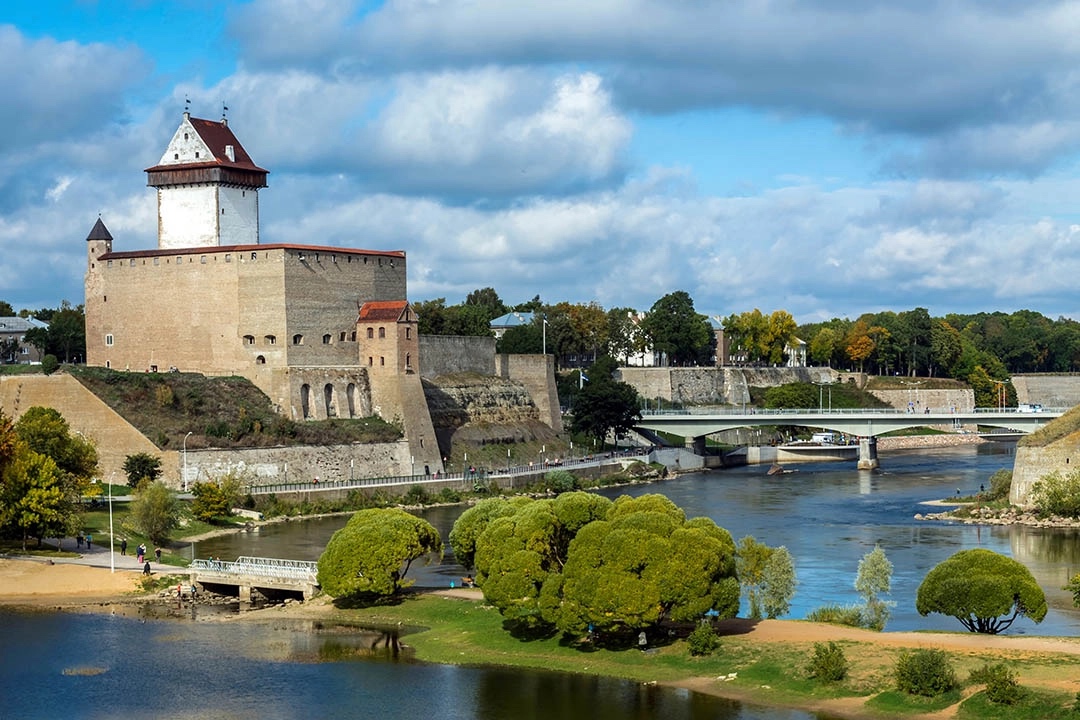
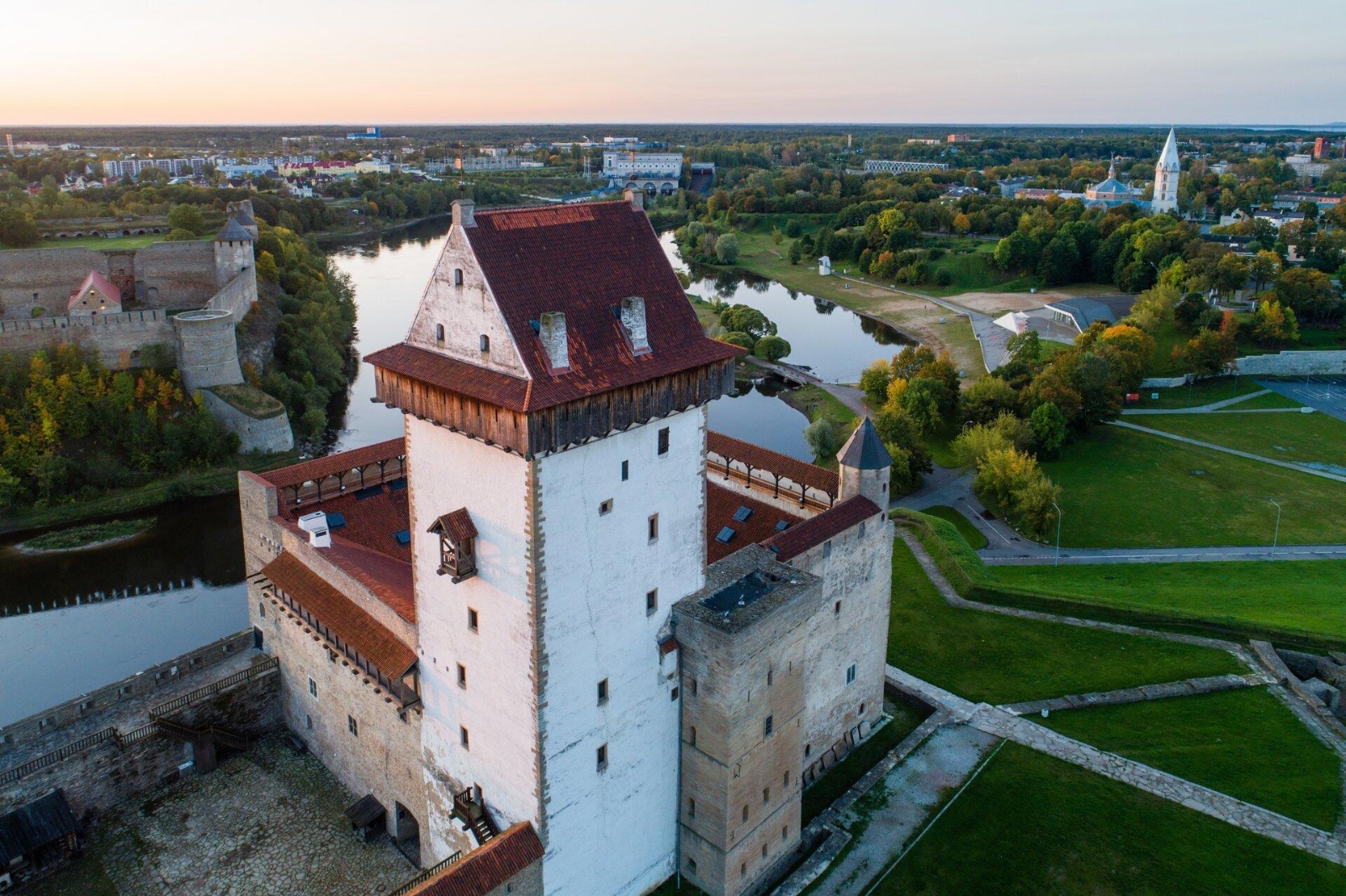
Narva is one of Estonia’s most fascinating destinations — a city that sits directly on the Russian border, dominated by the imposing Hermann Castle facing its Russian counterpart, Ivangorod Fortress, across the Narva River. With its baroque old town, Soviet-era heritage, and the intriguing border-town atmosphere, it makes for a compelling day trip from Tallinn. The distance is roughly 210 kilometres, and the journey takes between 2.5 and 3.5 hours each way depending on your mode of transport. Below, we break down every option available, from the humble bus to a fully guided private tour, so you can choose what suits your travel style, budget, and schedule.
Option 1: The Bus — The Budget Traveller’s Choice
The bus is the most popular way to reach Narva, and for good reason: it’s cheap, reliable, and runs frequently throughout the day.
How it works: Several operators serve the Tallinn–Narva route. The main player is Lux Express, which runs comfortable coaches with free Wi-Fi, power outlets, and even coffee machines on some services. Other operators, including Eesti Buss and various regional carriers under the Peatus scheduling system, also cover the route. Departures from Tallinn’s Central Bus Station (Tallinna bussijaam) begin early in the morning and continue into the evening, with several departures daily.
Journey time: Most direct services take around 2 hours 45 minutes to 3 hours 15 minutes, depending on the number of stops. Some services run express with fewer stops; others meander through towns like Rakvere or Jõhvi, adding time.
Cost: Tickets typically range from €10 to €20 one way, depending on the operator, how far in advance you book, and the level of comfort. Booking online in advance usually secures the cheapest fares, and Lux Express frequently offers early-bird discounts.
Pros:
-
Very affordable — a return trip can cost under €30
-
Frequent departures give you flexibility
-
Comfortable modern coaches with onboard amenities
-
No need to worry about parking, fuel, or navigation
-
You can relax, read, or work during the journey
Cons:
-
You’re tied to a timetable, so spontaneity is limited
-
The bus station in Narva is a short walk from the centre but not right at the castle
-
You’ll need to plan your sightseeing around departure times
-
No commentary or context en route — you arrive knowing only what you’ve read beforehand
-
Late return buses can be limited, meaning you may have to cut your day short
Best for: Budget-conscious travellers, solo backpackers, and anyone comfortable navigating a new city independently.
Book a guided tour to Narva
Option 2: The Train — Scenic but Complicated
Estonia’s rail network does connect Tallinn and Narva, but the journey requires a bit of planning. There is no single direct express train that whisks you from capital to border in comfort; instead, Elron (the state rail operator) runs services that typically require a change in Tapa or Tartu, depending on the schedule.
How it works: You’d board a train from Tallinn’s Balti Jaam station, ride to a junction such as Tapa, and transfer to a Narva-bound service. Journey times range from around 3 to 3.5 hours total including the connection, and the schedule isn’t always convenient for a day trip — particularly for the return leg, where connections can eat into your sightseeing time.
Cost: Train tickets are reasonably priced, often €10–15 each way, making it comparable to the bus.
Pros:
-
Comfortable, spacious carriages
-
Scenic views of the Estonian countryside
-
A more “local” travel experience than the coach
Cons:
-
Requires at least one transfer, adding hassle and risk of missed connections
-
Total journey time is often longer than the bus
-
Timetables may not align well with a comfortable day trip
-
Limited return options in the evening
Best for: Rail enthusiasts and travellers with flexible schedules who enjoy the journey as much as the destination.
Option 3: Driving Yourself — Maximum Flexibility
Renting a car and driving to Narva is straightforward. The route follows the E20 highway east from Tallinn through Rakvere and Jõhvi, then continues on good roads to Narva. The drive takes about 2.5 hours in good conditions.
How it works: Pick up a rental car in Tallinn (major agencies operate at the airport and in the city centre), drive east, and park in Narva’s centre. Roads are well maintained, signage is clear, and driving in Estonia is generally easy.
Cost: Car rental ranges from roughly €30–60 per day for a compact car, plus fuel (around €20–25 for the round trip) and parking in Narva (a few euros). If you’re travelling with three or four people, this can work out cheaper per person than the bus.
Pros:
-
Complete freedom over timing and itinerary
-
Stop wherever you like en route — Rakvere Castle, the Ontika cliffs, or the picturesque town of Jõhvi
-
No dependence on timetables
-
Cost-effective for groups
Cons:
-
You need a valid driving licence and confidence driving abroad
-
Winter driving can be challenging with snow and ice
-
You’ll be doing the navigating and parking yourself
-
No local knowledge or commentary — you’ll need to research Narva thoroughly in advance
-
One person can’t fully relax and enjoy the scenery
Best for: Groups, families, and independent travellers who value flexibility above all.
Option 4: Organised Group Coach Tours
A handful of tour operators and travel agencies occasionally offer day trips from Tallinn to Narva, sometimes combined with other eastern Estonian sights such as the Kuremäe Convent or the Ontika cliffs. These are usually seasonal and run on fixed dates.
Pros:
-
Everything arranged for you
-
Usually includes a guide and sometimes lunch
-
Good value compared to private tours
Cons:
-
Limited availability — these tours don’t run daily
-
Fixed itineraries with little flexibility
-
Large groups mean slower pace and less personal attention
-
Often focus on the highlights rather than deeper exploration
Best for: Travellers who want a guided experience at a mid-range price and can be flexible with dates.
Option 5: The Private Day Trip with a Guide — The Premium Experience
This is where the day trip becomes something altogether richer. A private guided tour means a professional guide (and often a driver) collects you from your hotel in Tallinn in the morning and delivers you back in the evening, with the entire day tailored around your interests.
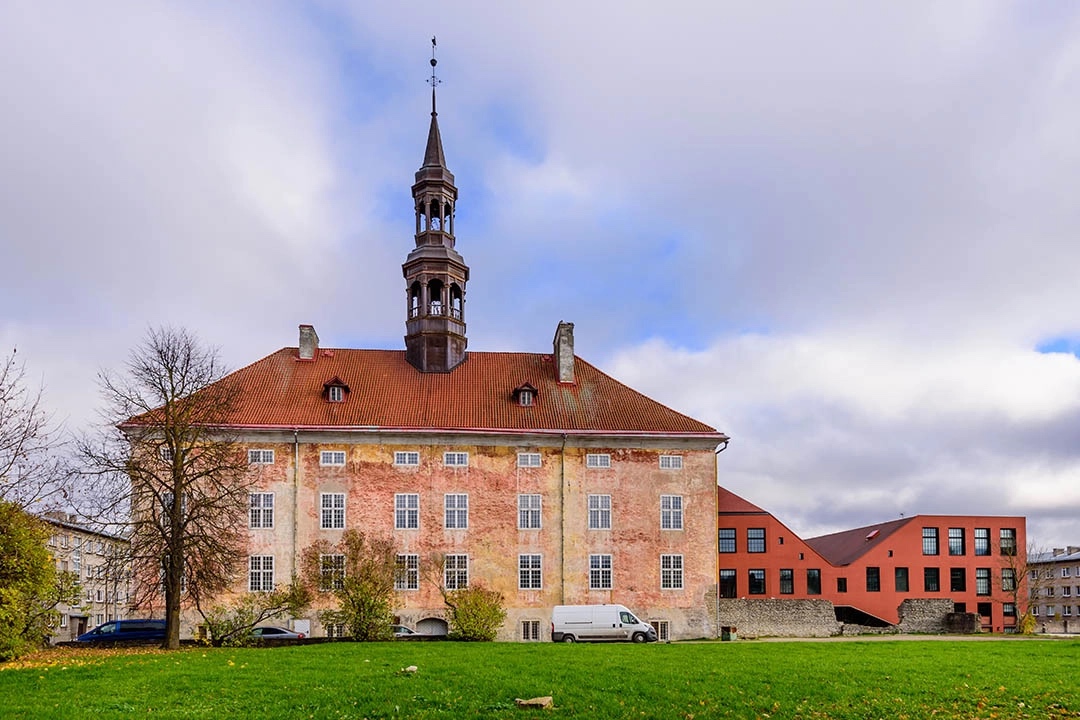
How it works: You book through a local tour operator or independent guide. The vehicle is private — just you, your travel companions, and the guide. The itinerary is discussed in advance: perhaps you want to focus on medieval history, or Soviet heritage, or photography of the border zone. Stops en route can be built in — the striking Ontika limestone cliffs, the Kuremäe Orthodox convent, or the atmospheric ruins of Rakvere Castle. In Narva itself, a good guide brings the city to life: the Hermann Castle and its museum, the baroque old town hall, the Alexander Cathedral, the promenade along the river with its view into Russia, and the poignant stories of the city’s near-total destruction in World War II and its Soviet reconstruction.
Cost: Private day trips typically range from around €200 to €400+ for the vehicle and guide, depending on group size, inclusions, and the operator. Split between a family or a small group of friends, the per-person cost becomes far more reasonable.
Pros:
-
Door-to-door convenience: You’re picked up and dropped off at your accommodation — no taxi to the bus station, no timetable stress.
-
A guide’s expertise: Narva is a city whose meaning is invisible without context. A knowledgeable guide explains the border’s significance, the layers of history — Danish, Swedish, Russian, Estonian, Soviet — and the daily realities of life on the EU’s eastern edge. That context transforms the experience from sightseeing into understanding.
-
A tailored itinerary: Want more time at the castle and less at the museum? Interested in Soviet architecture? Travelling with children or older relatives who need a gentler pace? The day bends to your needs.
-
Comfort and efficiency: Travel by comfortable private car or minivan, with stops whenever you wish. No waiting at bus stops, no transfers, no parking worries.
-
Hidden gems: Guides know the spots that don’t appear in guidebooks — the best local lunch spot, the quiet corner of the promenade with the finest view, the stories behind ordinary-looking buildings.
-
Language and logistics: Your guide handles the practicalities — ordering lunch, explaining border-zone etiquette (photography restrictions near the border are real and enforced), and answering the hundred questions that arise during a day of discovery.
-
Safety and peace of mind: Particularly important in a border city, where knowing what’s appropriate and where to go makes the day smoother and more relaxed.
-
Time efficiency: A private tour maximises your day. You leave early, arrive refreshed, see more, and return without the fatigue of self-navigating public transport.
Cons:
-
The highest upfront cost of any option
-
Requires advance booking, especially in peak season
-
Less “adventure” for travellers who thrive on figuring things out themselves
Best for: Couples, families, small groups of friends, older travellers, anyone with specific interests (history, architecture, photography, genealogy), and visitors who value their time and want to genuinely understand — not just see — this remarkable border city.
Why the Private Guided Day Trip Is Worth It
Let’s be honest: Narva is not an easy city to “get” on your own. It’s a place where the surface — a somewhat austere post-war cityscape — hides extraordinary depth. Without context, you might walk the promenade, glance at the castle, and wonder what all the fuss is about. With a guide, the same walk becomes a journey through centuries: the Danish founding in 1223, the Swedish era, the Russian Empire, the devastation of 1944 when the city was almost entirely flattened, the Soviet rebuilding, and the complex present of a majority Russian-speaking city within Estonia and the EU.
A guide also solves the practical puzzles. Which parts of the border zone can you photograph? Where do locals eat? What’s the story behind the baroque old town hall, the only significant pre-war building to survive? What does everyday life feel like for the people who live in the shadow of two fortresses? These are the questions that turn a day trip into a memory.
Then there’s the sheer comfort. A day trip to Narva is a long day — five to six hours of travel in total. Doing it by bus means early starts, station waits, and watching the clock. A private tour removes all of that friction. You step out of your hotel door, and your day begins. You step back in at the end of it, richer for the experience.
For families and small groups, the economics are less daunting than they first appear. A €300 private tour split between four people is €75 each — comparable to a full-price bus ticket plus a guided walking tour plus lunch, and vastly more comfortable and informative. And unlike a group coach tour, the day belongs to you.
Practical Tips for Your Day Trip
Whichever option you choose, a few pointers will help. Start early — leaving Tallinn by 8am gives you a full afternoon in Narva. Bring your passport or ID card — while you don’t cross the border on a standard day trip, the border zone is monitored, and it’s wise to carry identification. Check the season — winter days are short, so an early start is essential between November and February; summer offers long, light evenings. Book return transport in advance if using the bus, as afternoon and evening services can fill up. Dress in layers — the wind off the Narva River can be biting. And allow time for lunch — Narva has a handful of decent cafés and restaurants, and a guide can point you to the best.
The Verdict
There is no single “best” way to get from Tallinn to Narva — it depends on your budget, your schedule, and how deeply you want to engage with the destination. The bus is the economical workhorse; the train is scenic but fiddly; driving yourself offers freedom at the cost of effort; group tours sit in the middle but run infrequently. The private guided day trip is the premium choice, and for good reason: it transforms a long journey to a complex border city into a seamless, illuminating, and genuinely memorable experience. You’re not just transported to Narva — you’re introduced to it. For many travellers, that difference is worth every euro.

Bryn Jacobs Chief Editor
Hello dear Travelers! I am Bryn Jacobs and I am your travel advisor. Having a vast experience in traveling throughout Eastern Europe and having researched this part of the world myself. I write articles on the site about travel experiences in Eastern Europe with statistics and interesting facts.