
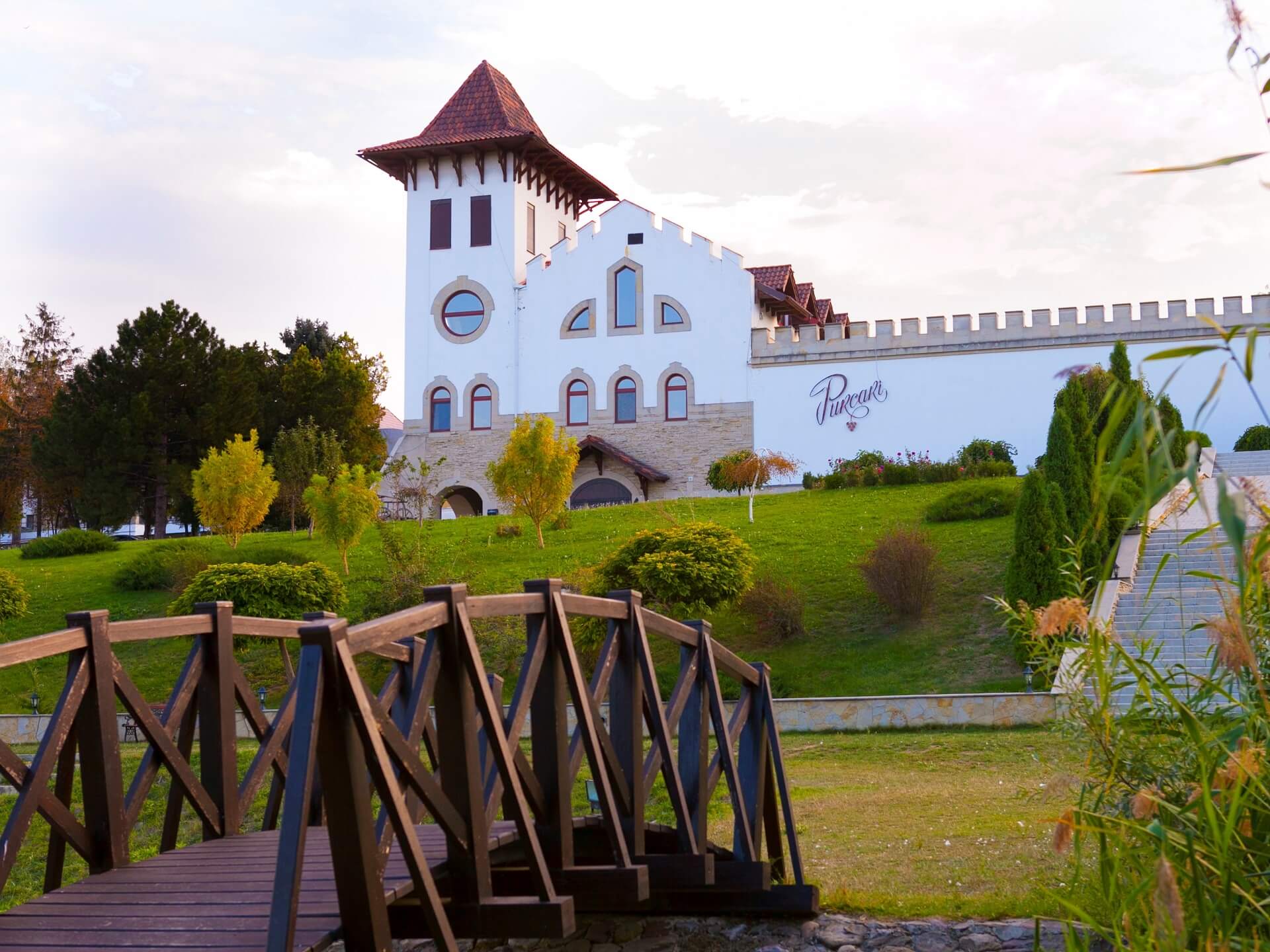
In the heart of Eastern Europe, nestled between Romania and Ukraine, lies the Republic of Moldova—a country that, despite its small size, holds a monumental legacy in the world of viticulture. With a winemaking tradition stretching back over 5,000 years, wine is not merely an agricultural product in Moldova; it is a defining pillar of national identity, history, and culture . Over the past decade, this deep-rooted heritage has catalyzed the rapid rise of wine tourism, transforming the nation into an unexpected yet compelling destination for oenophiles and cultural travelers alike. Once a well-kept secret of the former Soviet Union, Moldova is now unapologetically positioning itself as a premier wine tourism hub on the global stage, offering a unique blend of ancient traditions, world-record-holding cellars, and warm hospitality.
The Rise of a Surprising Wine Destination
Moldova’s journey to becoming a notable wine tourism destination is a story of strategic transformation and the leveraging of its greatest natural and cultural assets. The wine sector is a significant contributor to the nation’s economy, accounting for approximately 3% of its GDP and nearly 8% of total exports . Recognizing the potential to capitalize on this asset, the country has invested heavily in developing its tourism infrastructure, with a particular focus on the “Wine Route of Moldova.” This route, integrated into the esteemed “Iter Vitis Les Chemins de la Vigne” network accredited by the Council of Europe, serves as the country’s premier tourist itinerary, linking key wineries, historical sites, and cultural landmarks . This strategic alignment with European cultural routes underscores Moldova’s commitment to heritage preservation and high-quality tourism.
The numbers speak volumes about the sector’s explosive growth. Between 2015 and 2024, the number of wineries offering wine tourism services increased sevenfold, reaching approximately 50 . This expansion encompasses both large, established cellars and a burgeoning number of over 19 small, family-run establishments, Moldovan making wine experiences increasingly accessible to a wide range of visitors . This growth is not just in quantity but also in international recognition. Moldova has been ranked as the second-best wine tourism destination globally by Bounce’s Wine Lover’s Index 2023, trailing only Portugal, and has placed highly in other international rankings . To put this into perspective, the country has won over 6,500 medals at international wine competitions in the past six years, a testament to the quality being produced alongside the growing tourism appeal .
This burgeoning popularity is reflected in visitor numbers and spending. The wine tourism industry welcomes approximately 320,000 visitors annually, a significant figure for a country of its size . More importantly, this tourism is economically impactful. Visitors spend an average of USD 88 per day, generating annual revenues of approximately EUR 8.4 million . Crucially, for many small winegrowers who rely heavily on the domestic market, wine tourism offers a lifeline. By selling up to two-thirds of their production directly from the “cellar door,” they reduce distribution costs, increase profit margins, and build economic resilience . This direct-to-consumer model is a powerful driver for the industry’s sustainability.
The Catalysts for Growth: History, Culture, and Innovation
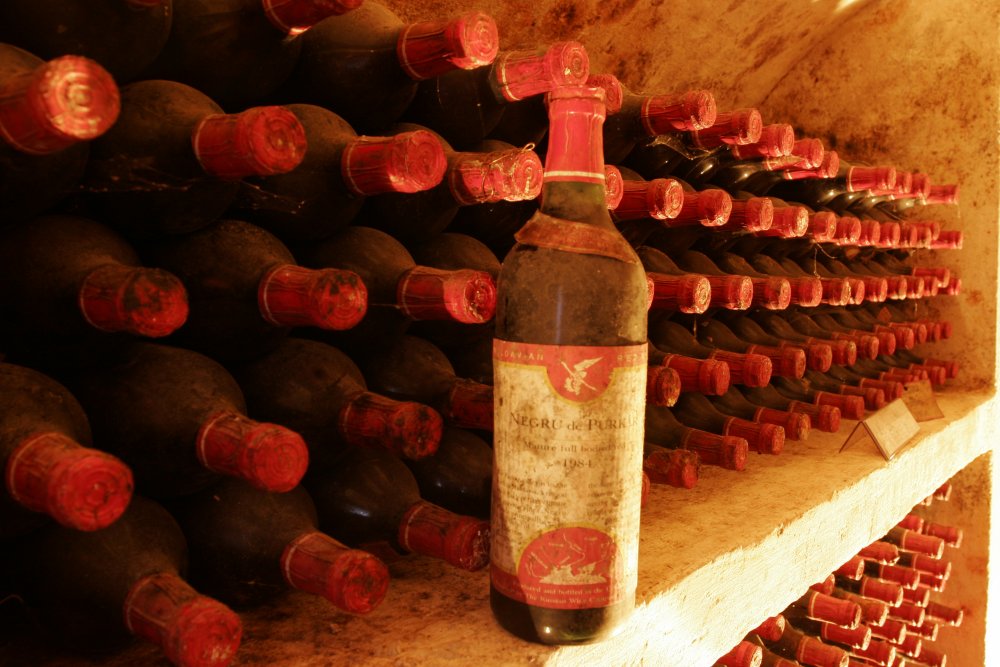
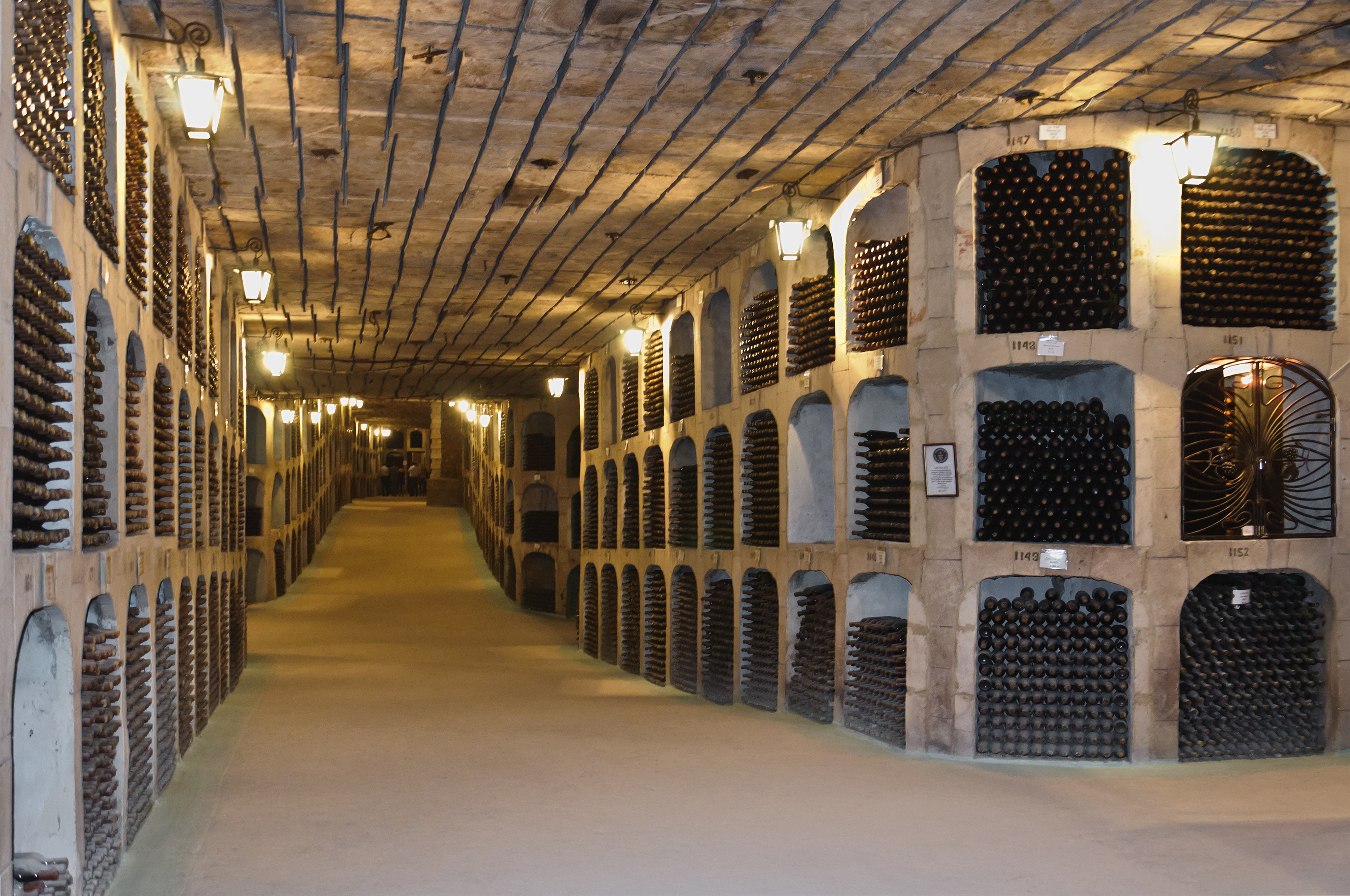
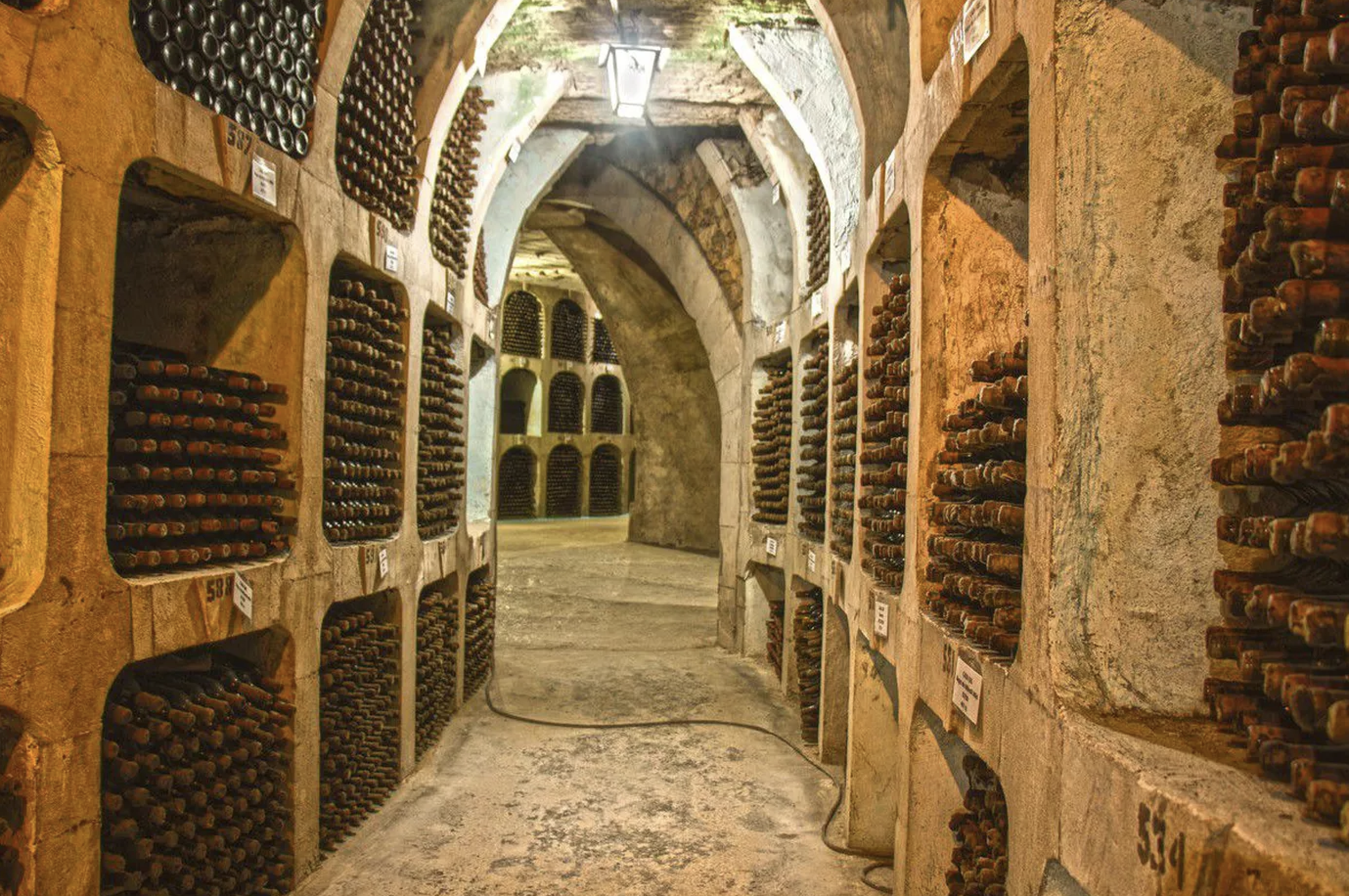
Several factors underpin the meteoric rise of wine tourism in Moldova. Foremost is the country’s unparalleled wine heritage. The tradition of vine cultivation and wine production, deeply integrated into Moldovan folklore and daily life, provides an authentic narrative that resonates with visitors seeking genuine cultural experiences . This history is not just a story but is physically manifested in the country’s unique underground limestone cellars. The vast subterranean networks at Cricova and Mileștii Mici, stretching for hundreds of kilometers, represent some of the most extraordinary wine cellars in the world and form the cornerstone of Moldova’s tourism offer . These are not just storage facilities; they are underground cities with streets named after wines, offering a truly surreal and immersive visitor experience .
Furthermore, the modernization and premiumization of Moldovan winemaking have helped shift its international perception. The country has successfully moved from a focus on volume to a focus on quality and terroir expression. This is evidenced by the establishment of three Protected Geographical Indications (PGIs)—Codru, Ștefan Vodă, and Valul lui Traian—which help define and promote the unique characteristics of wines from different regions . The focus on indigenous grape varieties like Feteasca Albă, Feteasca Neagră, Rara Neagră, and Viorica offers wine enthusiasts a unique tasting experience that cannot be replicated anywhere else in the world .
The sector’s promotional efforts have also been highly effective. The annual “National Wine Day,” which celebrates its 25th anniversary in 2026, has grown from a domestic celebration into a major cultural and economic event. The festival, held in Chișinău in October, attracts international tourists and serves as a powerful platform for showcasing the “Wine of Moldova, Unexpectedly Great” brand to the world . This is complemented by the hosting of major international events, such as the Global Wine Tourism Conference in 2018 and the 46th Global Vine and Wine Congress in 2025, which have firmly placed Moldova on the global wine map .
For visitors, the appeal extends beyond the wine itself. The experiences are curated to be holistic, often combining wine tastings with cultural and historical explorations. The integration of the Wine Route with sites like the ancient cave monasteries of Old Orhei and the architectural marvel of Curchi Monastery means that a wine tour in Moldova is also a journey through time . This blend of culture, history, and viticulture creates a powerful draw, with 51% of foreign tourists citing Moldova’s wine experiences as their primary reason for visiting .
Top 5 Wine Tours and Experiences in Moldova
To truly experience the magic of Moldovan wine tourism, one must venture beyond the capital. Here are the top five recommended experiences that showcase the best of the country’s wine offerings.
1. The Underground Labyrinth of Mileștii Mici: A World Record in a Glass
For many, a visit to Mileștii Mici is the ultimate Moldovan wine pilgrimage. Officially recognized by the Guinness Book of World Records for housing the world’s largest wine collection, this winery is a feat of human engineering and winemaking passion . Located about 30 minutes from Chișinău, its underground cellars stretch for an astonishing 200 kilometers, filled with over 1.5 million bottles . The typical tour involves descending 60 meters underground and being transported through the limestone tunnels via an electric train or, in some cases, by bicycle .
The experience is surreal; you’ll pass through “streets” lined with millions of dusty bottles, learning about the winery’s history and the stories behind its renowned “Golden Collection.” The tour often concludes in a grand tasting hall, where visitors sample three distinct wines—often including a dry white, a dry red, and a dessert wine—paired with traditional Moldovan snacks like bruschetta with zacusca (a vegetable spread) and prosciutto . The air is cool (around 12-13°C) and smells faintly of earth and oak, making the experience immersive and memorable. Visitors often cite the surreal atmosphere and the sheer scale of the cellars as a highlight of their trip to Moldova .
2. The Iconic Cricova Winery: A City of Wine and History
Cricova is arguably Moldova’s most famous winery, and for good reason. Like Mileștii Mici, it boasts an immense underground labyrinth of over 120 kilometers of tunnels, carved into the limestone hills . However, Cricova offers a slightly more polished and cinematic experience. The cellars are home to the National Oenotec, a remarkable collection of wines, and feature an underground cinema, tasting rooms, and a unique ambiance .
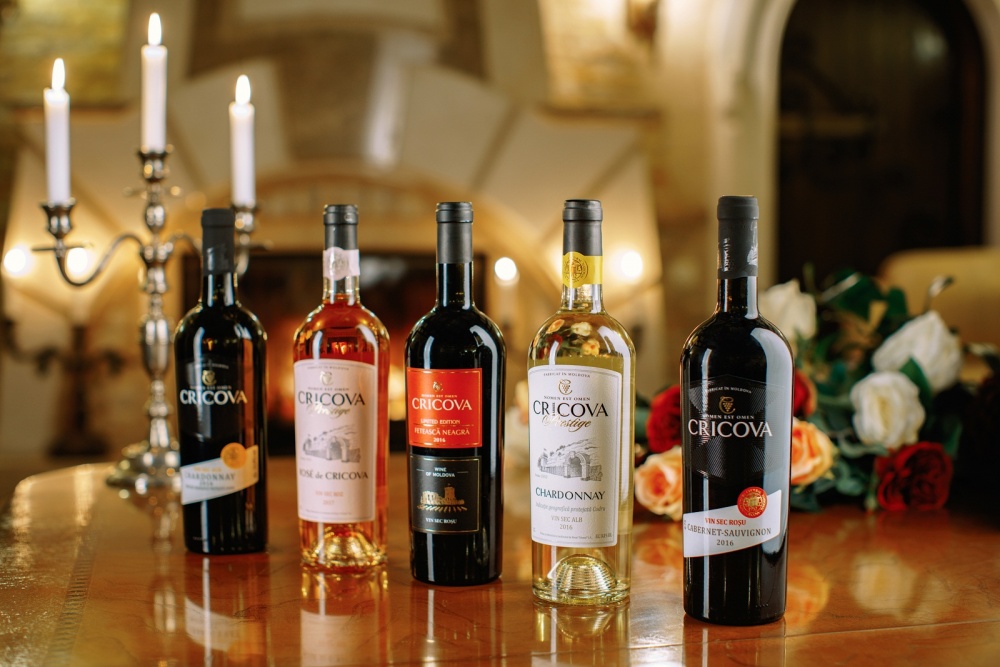
Tours at Cricova are typically conducted on small electric trains, guiding visitors through the subterranean streets named after the wines they house, such as Cabernet and Riesling . The tour covers the wine maturation sections, the sparkling wine production area, and the National Collection. This winery is particularly famed for its sparkling wines produced using the traditional French method . The tasting usually includes four different types of wine, offering a comprehensive overview of Cricova’s portfolio. The combination of history, engineering, and high-quality wines makes Cricova an essential stop. Many travelers recommend combining a visit here with a cultural tour to the nearby Old Orhei archaeological complex for a full-day experience that encapsulates the best of Moldova .
3. The Cultural Combo: Old Orhei and Cricova
For those with limited time, the combined tour of Old Orhei and Cricova Winery offers the perfect Moldovan “greatest hits” package. This experience, popular with independent travelers and offered by numerous local operators, masterfully blends historical discovery with world-class wine tasting . The day typically begins with a drive to the Orheiul Vechi complex, a spectacular archaeological and historical site. Visitors explore a unique cave monastery carved into a massive limestone cliff, overlooking the winding Răut River and the beautiful, verdant valley below. This open-air museum offers a glimpse into Moldova’s ancient past and provides breathtaking panoramic views .
The tour continues with a visit to the nearby village of Butuceni, where travelers can enjoy a traditional Moldovan lunch in a rustic setting, often at a local guesthouse or eco-village . This is a key part of the experience, offering authentic local cuisine and hospitality. The day culminates with a descent into the world of Cricova, providing a stark and spectacular contrast. The transition from the sun-drenched, historic landscape above ground to the cool, dimly lit, and modern underground wine city is a truly memorable experience. This tour is ideal for travelers who want to understand the deep connection between Moldova’s history and its wine culture in a single, well-organized day .
4. The “Little Tuscany” Experience: Crama Mircești and Château Vartely
For a more refined and intimate wine tourism experience, a journey into the Codru region—Moldova’s central wine-growing area—is highly recommended. This area, often described as Moldova’s “Little Tuscany,” is home to charming boutique wineries set amidst rolling hills. Crama Mircești is a standout, offering a picturesque setting with stunning views over the Măgurii hills . It provides a relaxed, light lunch paired with its elegant wines, allowing visitors to soak in the tranquil countryside atmosphere.
Nearby, Château Vartely offers a more luxurious and gourmet experience . The Château is known for its modern approach to winemaking and its excellent restaurant, where guests can enjoy a gourmet meal paired with award-winning wines. For those wanting to extend their stay, Château Vartely offers accommodation in private villas, making it an ideal base for exploring the central wine region . This tour is perfect for travelers seeking a more exclusive, high-quality, and scenic wine experience away from the bustling underground cellars.
5. The Gateway to the South: Castel Mimi and Et Cetera
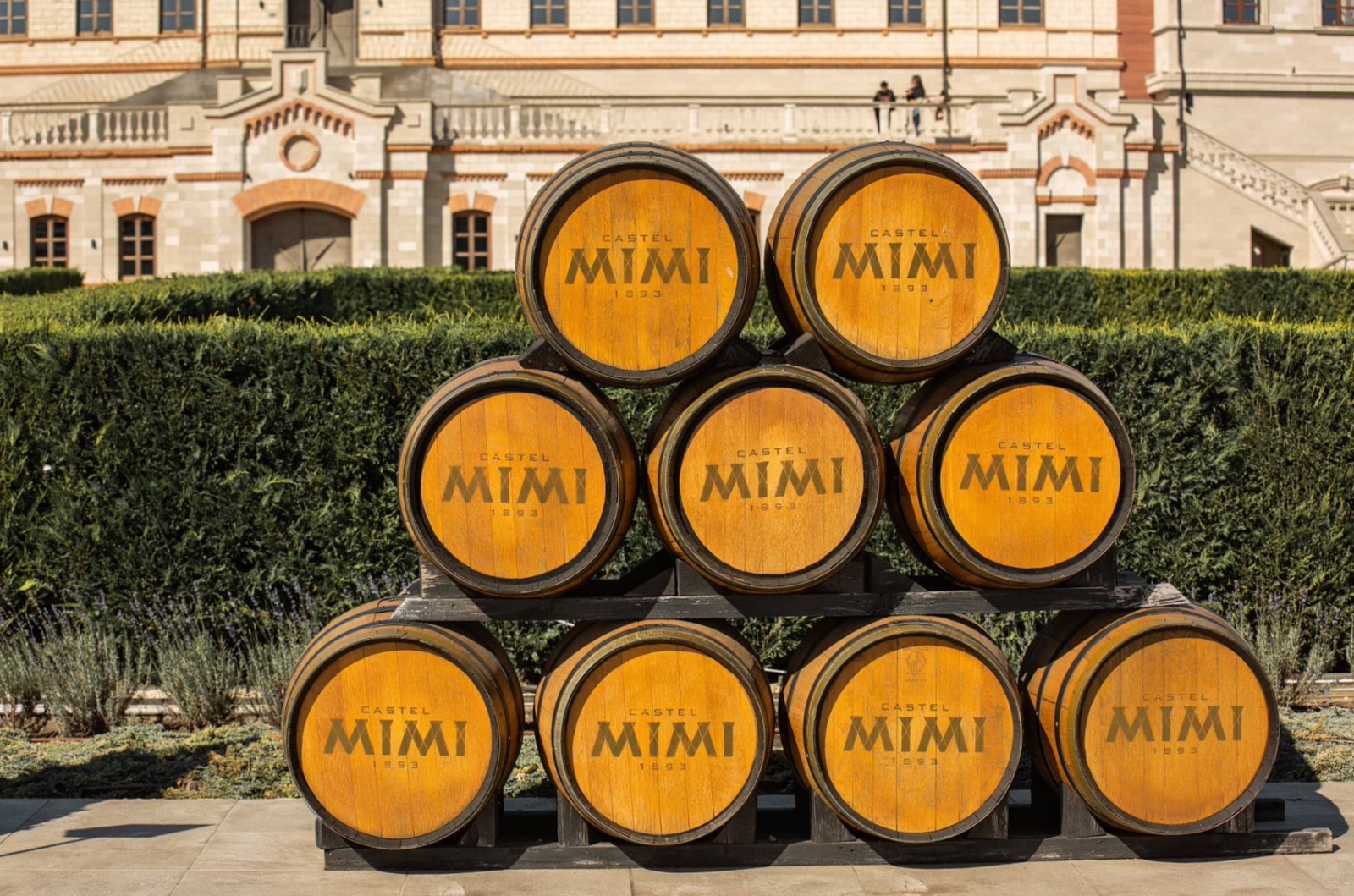
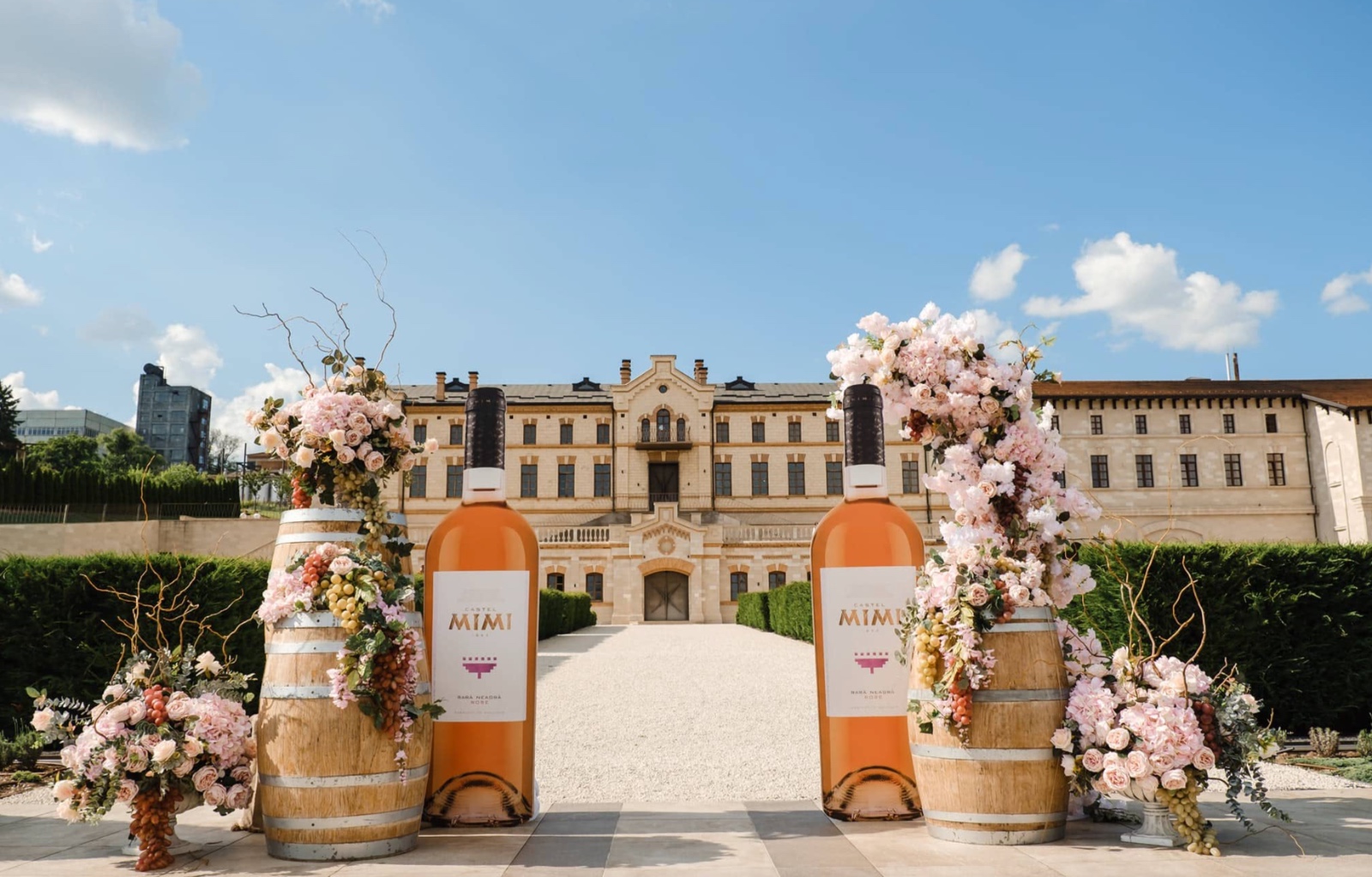
Moldova’s southern wine regions offer a distinct terroir and a taste of its diverse cultural influences. A detour to the Valul lui Traian PGI region is well worth the trip to visit Castel Mimi. This magnificent winery, which has been magnificently restored, is an architectural marvel . Originally founded in 1893, its stunning neo-Gothic and Art Nouveau-style château is surrounded by manicured gardens. Visitors can easily spend a full day here, taking a tour of the estate, enjoying a wine tasting, picnicking in the gardens, or relaxing at its sustainable five-star hotel. This experience combines wine with high-end hospitality and history .
Heading further south-east into the Ştefan Vodă PGI region, Château Purcari is a must-visit. As one of Moldova’s oldest and most prestigious wineries, Purcari is renowned for its high-quality red wines, which were once favored by the Russian Tsars . The winery offers tours of its vineyards and state-of-the-art production facilities, followed by tastings in a sophisticated setting. This region is also home to the cutting-edge Et Cetera winery, which is known for its modern architecture and a cozy restaurant serving home-cooked specialties like rabbit . The trip south reveals a different facet of Moldova’s wine culture—one characterized by history, prestige, and a more modern, polished approach.
Conclusion: Moldova’s Uncorked Future
Moldova’s wine tourism is far more than a passing trend; it is a carefully cultivated revival of a centuries-old legacy. The country has successfully leveraged its unique assets—from its world-record-breaking underground cellars and ancient winemaking traditions to its diverse, quality-driven modern wines—to carve out a niche on the international travel map. The authentic hospitality, the integration of wine with history and culture, and the strategic development of its Wine Route have created a compelling and immersive destination.
As the number of wineries offering tour holidays in Moldova continues to grow and the world discovers the “unexpectedly great” wines of Moldova, the future is bright. The recognition garnered from international rankings and the hosting of global wine events has solidified its reputation as a serious and exciting wine destination. For the traveler seeking an experience that is at once culturally rich, historically profound, and deliciously enjoyable, a wine tour through the “Underground City” of Moldovan cellars is an adventure waiting to be uncorked.
Book your Moldovan wine tasting tours with GetLocals