
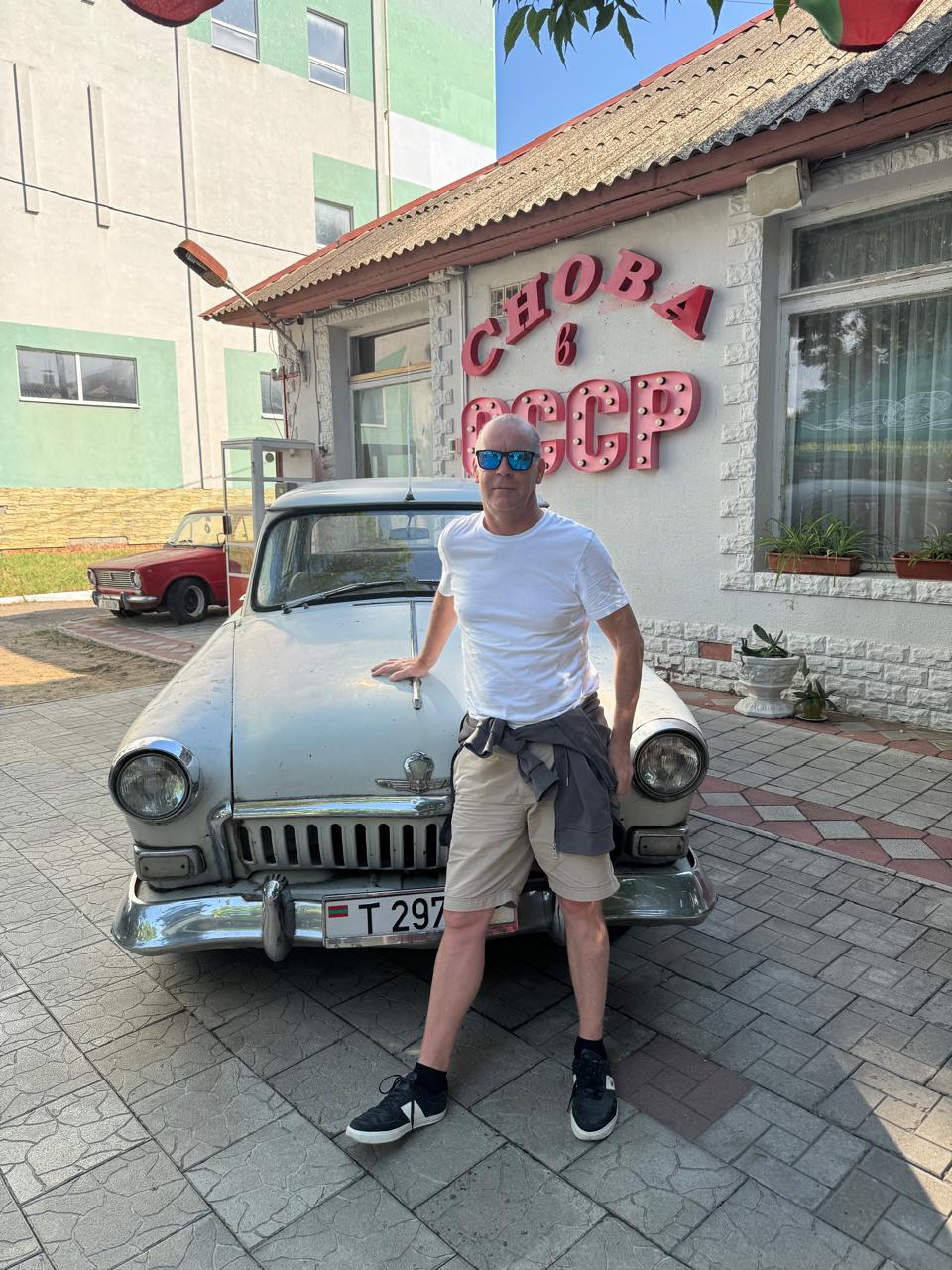
Tiraspol, the capital of the unrecognised republic of Transnistria, is one of Europe’s most unusual travel destinations. It is a city that feels frozen in time, where hammer and sickle flags still fly, Lenin statues stand proudly, and the past is not just remembered but actively preserved. This is a place that offers a unique glimpse into a world that many have forgotten—a Soviet-era time capsule tucked between the Dniester River and the border of Moldova. For the curious traveller, it presents a fascinating, safe, and incredibly affordable journey that challenges modern notions of statehood, history, and culture.

Understanding the Context
Before exploring what to do in Tiraspol, it is important to understand its unique status. Transnistria is a breakaway territory that declared independence from Moldova in 1990, during the dissolution of the Soviet Union. Though not recognised by any UN member state, it functions as a de facto independent entity with its own government, currency, and border control. This political ambiguity is central to the Tiraspol experience, as it allows visitors to step into a fully functioning Soviet-style state that continues to exist in the 21st century.
Crossing into Transnistria from the Moldovan capital, Chișinău, is an adventure in itself. Regular marshrutkas (minibuses) depart from Chișinău’s Central Bus Station approximately every 20 minutes, and the journey takes about 1.5 to 2.5 hours. At the border, you will need to present your passport and will be given a migration card, which you should keep safe for the duration of your visit. It is crucial to note that international credit and debit cards do not work in Transnistria, so you must bring cash in a convertible currency like US dollars or euros to exchange for the local Transnistrian ruble. Once these formalities are complete, you arrive in a city where the Soviet era is not just a memory but a living reality.

The Best 5 Attractions in Tiraspol
With its compact city centre, Tiraspol is very walkable, and its main sights can be comfortably explored in a day or two. Here are the five essential attractions that define the city’s character.
1. The Lenin Monument and the House of Soviets
The undeniable heart of a Tiraspol walking tour is the grand square dominated by the statue of Vladimir Lenin and the imposing House of Soviets. This is the most photographed and iconic location in the city. The towering Lenin statue stands in front of the Palace of the Soviet Government, the seat of Transnistria’s authorities, with a hammer and sickle flag flying above it. The scene is a powerful symbol of the region’s unbroken Soviet heritage and offers a quintessential photo opportunity. The T-34 tank monument and the St. George the Victorious Chapel are also located in this square, adding layers of military history to the site. To stand in this square is to feel that you have genuinely stepped back in time, and it provides the perfect starting point for any journey through Tiraspol.
Book a day trip to Transnistria today
2. The Green Market (Central Market)
For a vibrant and authentic slice of local life, a visit to the Green Market is a must. Opened in 1956, this central market is the city’s main hub for fresh produce, where locals gather to buy and sell an array of goods. You can wander through the stalls to see fresh fruits, vegetables, honey, handmade cheeses, and homemade preserves. It is an “existential glimpse into everyday life in Transnistria” and offers a direct connection to the region’s culture and people. While exploring, it’s also a good opportunity to exchange some of your currency into Transnistrian rubles, as there is often a small bank in or near the market area. In front of the Green Market is an industrial market where you can find fascinating souvenirs like Soviet-era cameras, medals, and even the distinctive plastic coins used in Transnistria.

3. The Suvorov Monument and Square (De Wollant Park)
Alexander Suvorov is the founder of Tiraspol, and his memory is honoured with a grand equestrian statue and a beautiful public square. Suvorov Square, which connects to the wider De Wollant Park, is the city’s central hub for recreation and leisure. The statue of General Suvorov himself is surrounded by magnificent Soviet-era government buildings and parliament buildings, creating a stunning architectural backdrop. The square is a popular spot for locals and tourists, where you can find people chatting, children playing, and a general laid-back atmosphere. De Wollant Park, with its scenic entrance through Catherine Gate, is an attractive public space featuring statues, monuments, and the Dniester River flowing along its southern edge. It is a perfect place to take a leisurely stroll and appreciate the city’s unique blend of history and green space.
4. The KVINT Brandy Winery
For a taste of the region’s other great tradition, a visit to the KVINT Brandy Winery is a must for many travellers. Established in 1897, KVINT is Moldova’s most famous winery and a source of great pride for the region. Tours are available that take you through the Soviet-era cellars, where you can see the oak barrels and learn about the brandy-making process. The tasting, which often includes their award-winning century-old brandy and fruit vodka, is a highlight for many visitors and is very reasonably priced (around 35-40 MDL for a guided tour with tasting). Even if you are not a brandy connoisseur, the sheer history and atmosphere of the winery make for a memorable experience.
5. The Memorial of Glory and the T-34 Tank
Located in the city centre, the Memorial of Glory is a sombre yet essential site dedicated to the soldiers who fought in World War II (the Great Patriotic War) and other conflicts. The centrepiece of the memorial is the Eternal Flame, which is flanked by a legendary T-34 tank that played a significant role in the war, and artillery pieces. The monument is a tribute to the “fallen heroes,” and its well-kept grounds reflect the importance of this history to the local population. Standing here, with the Eternal Flame flickering, you can feel the weight of the past and gain a deeper appreciation for the region’s struggles and its enduring identity. A short walk from the memorial is the Monument to Aviators, which features a MiG-19 fighter plane and commemorates the pilots of the 17th Air Army.

Beyond the Top 5: A Soviet Time Capsule
While these five attractions form the core of the Tiraspol experience, the city offers much more to those who wish to delve deeper.
Soviet-Style Cuisine: No trip to Tiraspol would be complete without dining in one of its authentic Soviet-style canteens. Restaurants like URSS Cantina (CCCP) or “Back in the USSR” offer a unique culinary experience. Here, you can enjoy classic and hearty Soviet dishes like borscht (beetroot soup), pelmeni (dumplings), and vareniki, all at prices that are almost unimaginably low. The atmosphere in these restaurants, with their retro interiors and nostalgic charm, is as much a part of the experience as the food itself. The entire street of 25 October, the city’s main boulevard, is filled with Soviet-era architecture, and it’s a delight just to walk along it. If you are worried about safety in Transnistria rest assured its a safe destination.
The Dniester River Promenade: For a change of pace, a walk along the Dniester River is highly recommended. The 1-kilometre-long promenade is lined with trees and vintage Soviet-era benches, providing a tranquil setting to watch locals fish and enjoy the views. It’s a perfect spot to watch the sunset paint the river red, with the lights of Moldova twinkling on the opposite bank.
Other Curiosities: For a brief interaction with local life, you might visit the local post office, a blue building with a striking Soviet aesthetic. You can also take a moment to admire the city’s various sculptures and monuments, including the Yuri Gagarin Mural on Cosmonauts Street, a vibrant artwork celebrating the first human in space.

Practical Advice for Your Visit
Currency: As mentioned, you must have cash. Exchange your euros or dollars for Transnistrian rubles, as Moldovan lei is not widely accepted.
Border Crossing: Always carry your passport and the migration card you are given at the border. Be aware that photography might be restricted in some areas.
Language: Russian is the primary language spoken in Tiraspol. English is not widely spoken, so having a translation app or a few key phrases can be very helpful.
Accommodation: Budget-friendly Soviet-themed hotels and B&Bs are available for around 70-150 yuan per night, offering an immersive experience with their retro décor. It is advisable to book in advance during the peak season (May-September).
Best Time to Visit: The best time to visit Tiraspol is during the golden season from May to September when the weather is pleasant and sunny, perfect for outdoor exploration.

Conclusion
Tiraspol is not your typical tourist destination. It is a place that challenges perceptions, offers a profound sense of stepping into history, and does so with a surprisingly welcoming and safe atmosphere. Whether you are exploring the symbolic Lenin Monument, bargaining for Soviet souvenirs at the Green Market, toasting with a glass of Kvint brandy, or simply walking along the Dniester, you are experiencing a living museum of the Soviet era. For those who travel to understand, not just to see, Tiraspol is an unforgettable destination that will leave you with a deeper appreciation for the complex and resilient spirit of this unique “country” within a country.
Book your private guided tour of Tiraspol today with GetLocals.

Bryn Jacobs Chief Editor
Hello dear Travelers! I am Bryn Jacobs and I am your travel advisor. Having a vast experience in traveling throughout Eastern Europe and having researched this part of the world myself. I write articles on the site about travel experiences in Eastern Europe with statistics and interesting facts.