
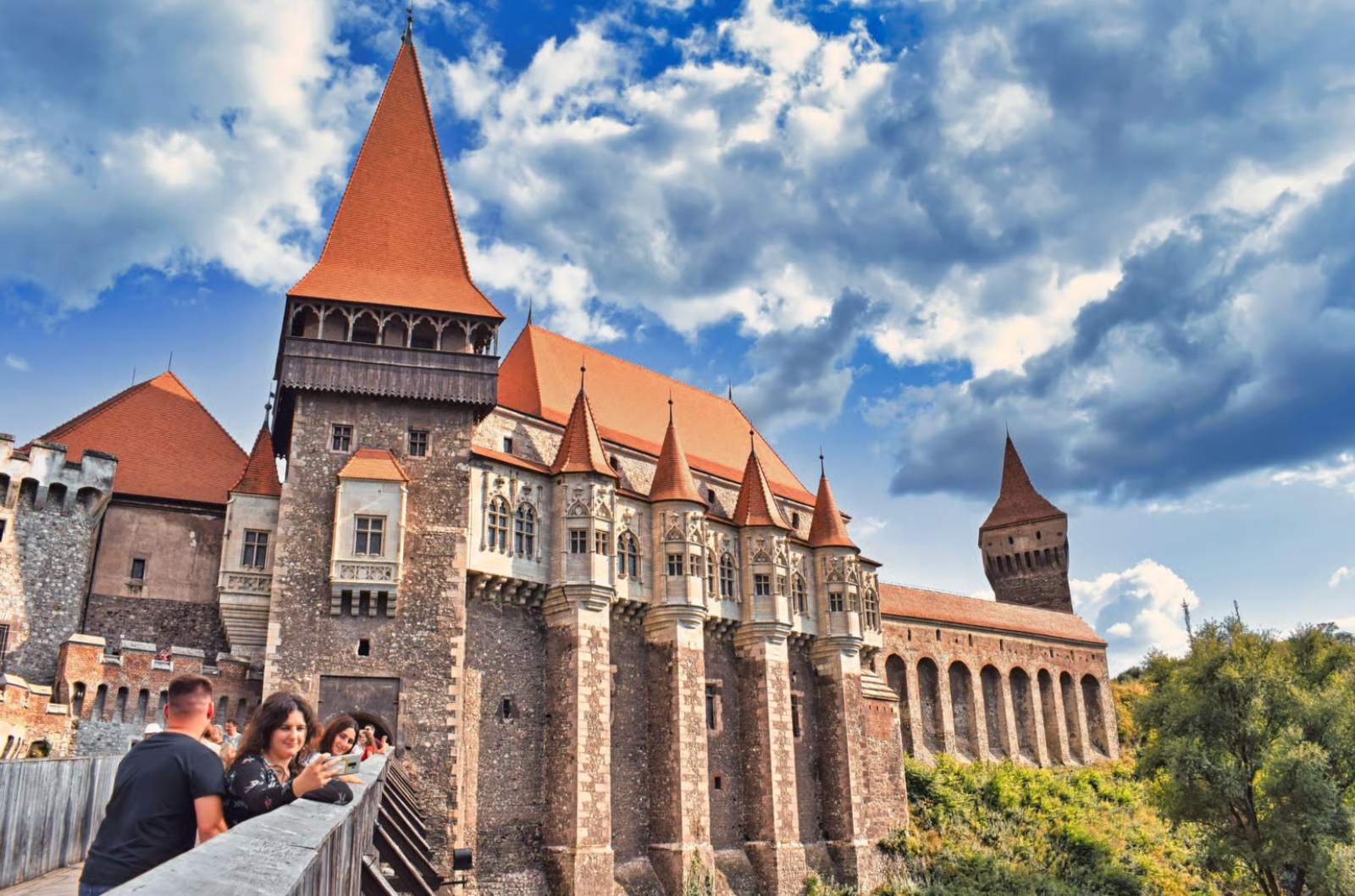
From Bucharest to Brașov: A Complete Guide to Reaching Transylvania’s Crown Jewel
Brașov, often called the “Crown of Transylvania,” is one of Romania’s most captivating cities. With its medieval old town, Gothic Black Church, and dramatic mountain backdrop, it draws travelers from across the world. Fortunately, getting there from Bucharest is straightforward, with multiple transport options to suit every budget and travel style. This guide covers everything you need to know about making the journey.
Understanding the Route
The distance between Bucharest and Brașov is approximately 141 kilometers (88 miles) as the crow flies, though the actual travel distance by road is closer to 169 kilometers (105 miles) . The route typically follows the Prahova Valley, crossing through the Carpathian Mountains, which makes for a scenic journey once you leave the flat plains around Bucharest.
Travel times vary significantly by transport mode. The fastest trains complete the trip in about 2 hours and 15 minutes, while buses generally take 3.5 to 4 hours . Driving yourself takes around 2.5 to 3 hours in normal traffic conditions .
Option 1: The Train (Recommended)
Taking the train is widely considered the best way to travel between Bucharest and Brașov. It offers a combination of speed, comfort, and reliability that other options struggle to match .
Departure and Arrival Stations
Trains depart from Bucharest Gara de Nord (North Station), the city’s main railway hub. It’s well-connected to the rest of Bucharest via the metro (M1 and M4 lines), as well as taxis and ride-hailing services like Uber and Bolt . On the other end, trains arrive at Brașov Station, which is located about 2 kilometers from the Old Town. From there, you can take a short taxi ride, ride-hail, or local bus to reach the city center .
Train Operators and Types
Several companies operate on this route. Transferoviar Călători (TFC) runs frequent services, while Romanian Railways (CFR Călători) operates InterRegio and InterCity trains . Other operators include Softrans and Regio Călători .
For the best experience, look for InterCity (IC) trains, which are the fastest and most comfortable. InterRegio (IR) trains are slightly slower but still offer a good balance of price and comfort, often with air conditioning and power outlets .

Frequency and Schedule
Trains run frequently throughout the day. Some sources indicate services depart as often as every 30 minutes . The earliest departures leave around 4:41 AM, and the last trains depart Bucharest around 10:00 PM, arriving in Brașov just after midnight . This frequency means you rarely need to book far in advance, though it’s still wise to secure tickets for weekend travel or peak holiday periods .
Duration and Cost
The average journey takes about 2 hours and 43 minutes, with the fastest trains completing the trip in 2 hours and 15 minutes . Ticket prices vary by operator, class, and how far in advance you book. Budget roughly 35 to 100 Romanian Lei (RON) for a one-way ticket, though some sources show prices starting as low as $7 USD . First-class tickets cost more but offer more spacious seating.
Booking Tips
You can book tickets through the official CFR Călători website, at Gara de Nord ticket counters, or through third-party platforms like 12Go . For the best prices, book early, especially if traveling on Fridays or Sundays when demand is higher. Seat reservations are included with most InterRegio and InterCity tickets, so you’ll have an assigned spot.
Option 2: The Bus
Buses offer a budget-friendly alternative, though they take longer and can be less predictable due to traffic.
Operators and Departure Points
FlixBus is the most prominent operator on this route, running services every two hours or so . Buses typically depart from București, Autogara Militari, though other departure points exist depending on the operator . In Brașov, buses arrive at various stations, including Autogara Bartolomeu and stops near the city center .
Duration and Cost
The bus journey takes between 3.5 and 4 hours on average, though some services can stretch to 5 hours depending on traffic and the number of stops . The fastest buses complete the trip in about 3 hours and 30 minutes . Tickets are affordable, typically ranging from 100 to 180 RON, with some promotional fares even lower .
Considerations
One important caveat: many bus routes require a transfer, and some search results indicate there may be no direct bus to certain central locations . This means you might need to change buses or take a local connection upon arrival. Buses are also more susceptible to delays from traffic, particularly when leaving Bucharest or navigating the mountain roads near Brașov.
Option 3: Driving Yourself
For maximum flexibility and the chance to explore along the way, renting a car is an excellent choice.
The Route
The most direct route is via the DN1 (National Road 1), which takes you through the Prahova Valley and over the Carpathians . The drive takes approximately 2.5 to 3 hours in normal conditions, covering about 170 kilometers . Roads are generally in good condition, though traffic can be heavy leaving Bucharest and on weekends when Romanians head to the mountains .
Scenic Stops
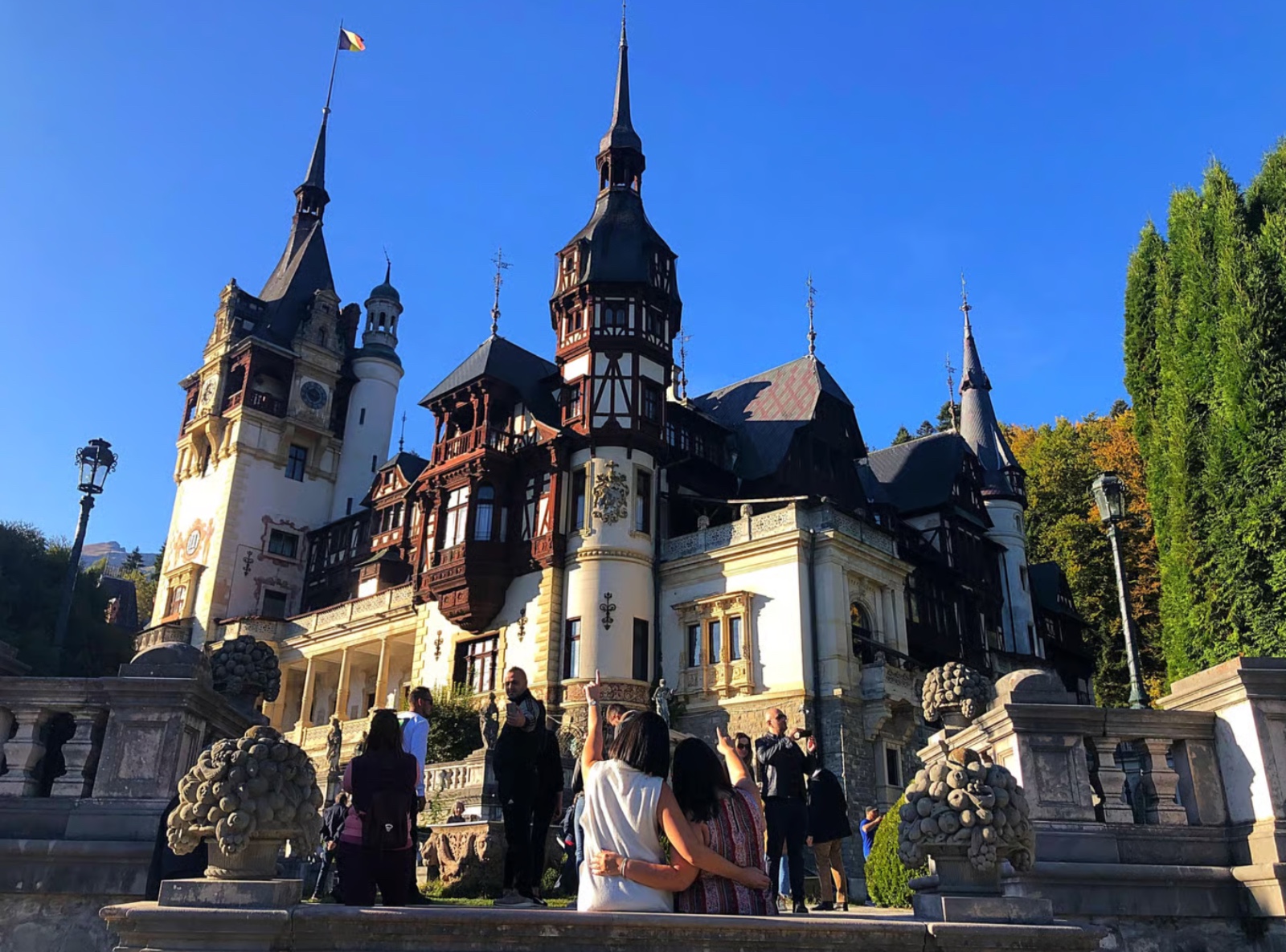
One of the biggest advantages of driving is the ability to stop at some of Romania’s most famous attractions along the way. Sinaia is a must-visit, home to the stunning Peleș Castle, a masterpiece of Neo-Renaissance architecture . The town also has a charming old town and a monastery worth exploring. Further along, Bușteni offers cable car access to the Bucegi Plateau for spectacular mountain views . Near Brașov itself, you can detour to Râșnov Fortress or Bran Castle, often associated with the Dracula legend .
Practical Considerations
You’ll need a valid driver’s license and a rental car. Rentals are available at Bucharest’s Otopeni Airport and throughout the city, with prices starting around 150 to 300 RON per day plus fuel . Romania requires a vignette (road tax) for using certain roads, so make sure your rental includes one or you purchase it before driving. Winter driving can be challenging in the mountain passes, so check weather conditions and equip your car appropriately if traveling between November and March .
Option 4: Private Transfer
If you prioritize convenience and door-to-door service, a private transfer is worth considering.
How It Works
Companies like Daytrip and Transfeero offer private car services that pick you up from your hotel or the airport in Bucharest and drop you directly at your accommodation in Brașov . This eliminates the need to navigate train stations or bus terminals, making it ideal for families, groups with luggage, or travelers arriving late at night.
Cost and Duration
A private transfer typically costs between €120 and €220 per vehicle, depending on the provider and vehicle type . The journey takes about 2.5 to 3 hours, similar to driving yourself but without the stress of navigation . For solo travelers, the cost may be prohibitive, but for groups of three or four, it can be competitive with train tickets when split.
Option 5: Guided Day Tours
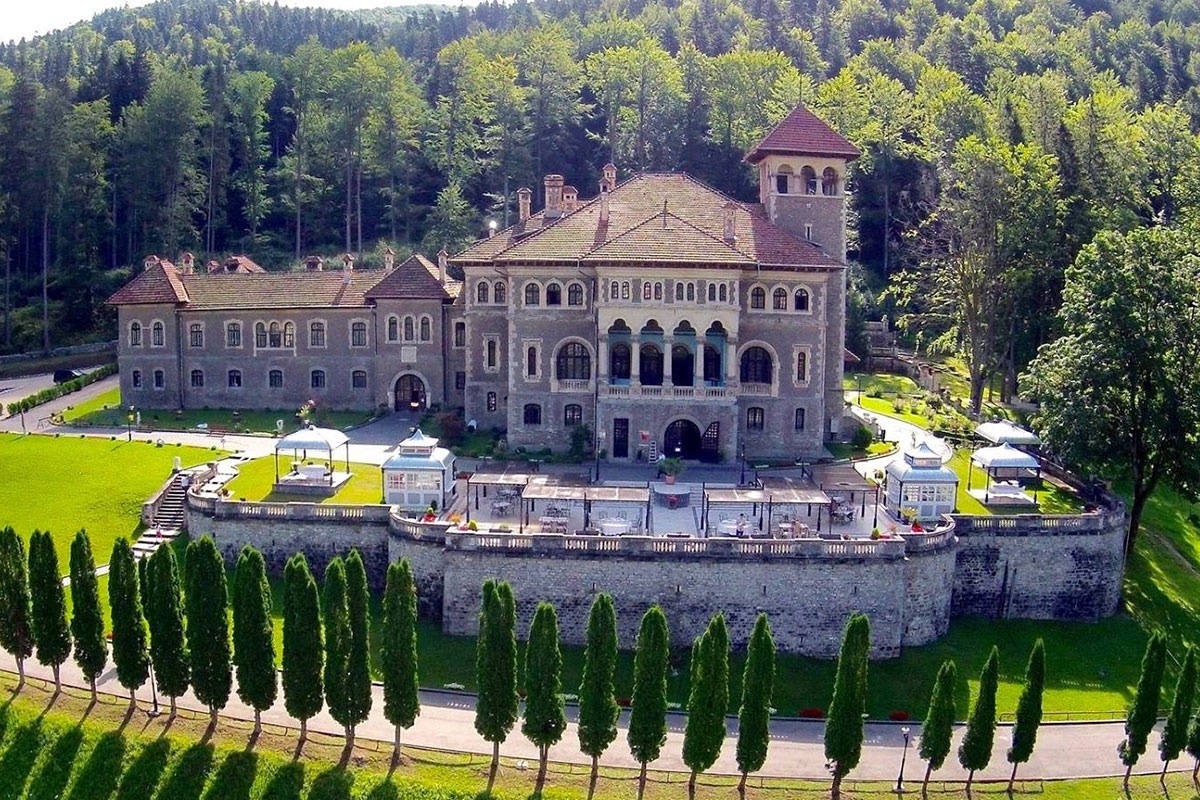
If you’re short on time or prefer a structured experience, guided day tours in Brasov combine transport with sightseeing.
What to Expect
These tours typically depart Bucharest in the morning and return in the evening, covering Peleș Castle, Bran Castle, and free time in Brașov’s Old Town . The round trip takes about 12 to 13 hours, so it’s a long day, but you’ll see some of Romania’s top attractions without worrying about logistics.
Cost
Prices range from €35 to €95 per person, depending on the inclusions and group size . This is a good option if you want a taste of Transylvania without committing to an overnight stay.
Arriving in Brașov
Once you arrive, getting to the Old Town is easy. From Brașov Station, you can take a taxi or ride-hail for a short 10-minute trip, or use local buses . If you arrive by bus at Autogara Bartolomeu, you’re about a 20-minute bus ride or 40-minute walk from the center; buses A1, 5, 16, 24, and 28 serve this route .
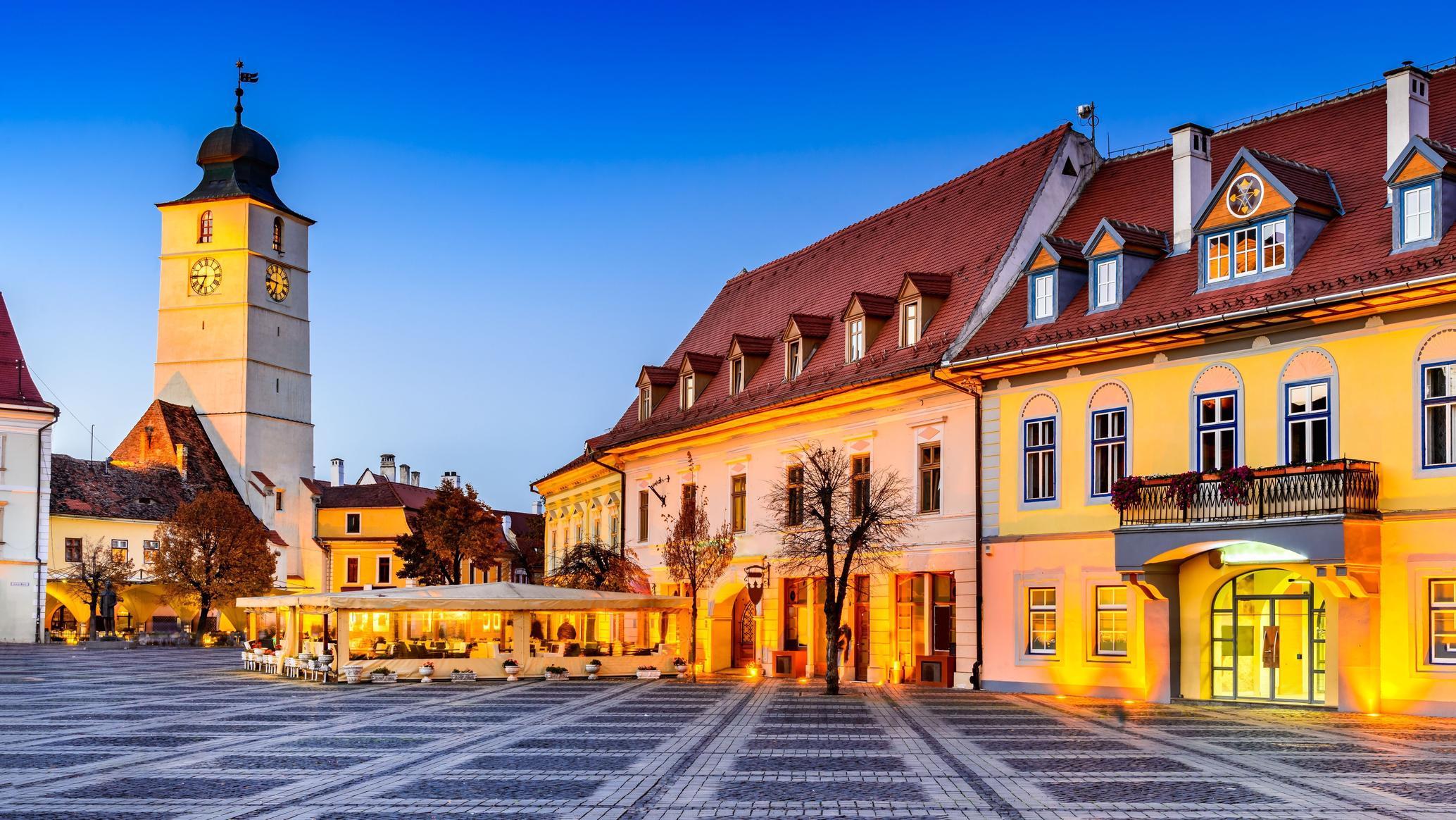
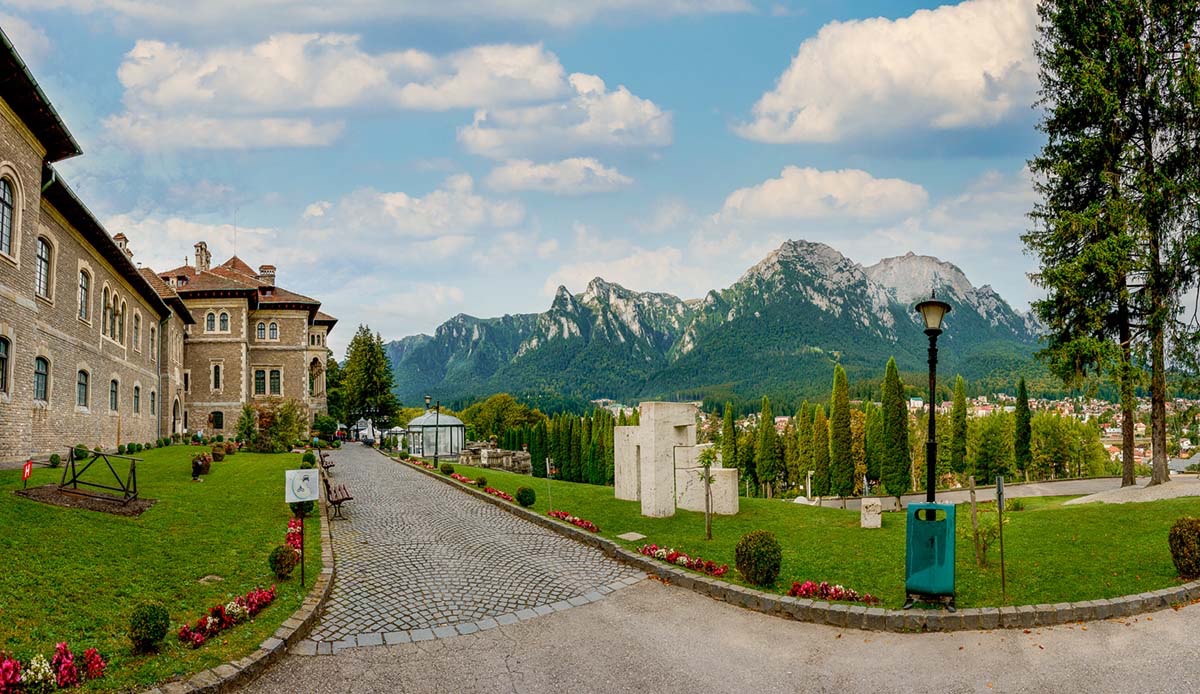
Brașov’s compact old town is best explored on foot. Don’t miss the Black Church, the largest Gothic church in Romania; Piața Sfatului (Council Square), the vibrant heart of the city; and the Tampa Mountain cable car for panoramic views . Keep an eye out for bears if you venture into the surrounding mountains—they’re a common sight in the area, and locals even sell bear-themed souvenirs .
Which Option Should You Choose?
For most travelers, the train is the best choice. It’s fast, comfortable, and reliable, with frequent departures that fit almost any schedule. The scenic ride through the Prahova Valley is a bonus.
If you’re on a tight budget, the bus will save you money, but be prepared for a longer journey and potential transfers.
For those who want to explore at their own pace and visit attractions along the way, driving is the most rewarding option.
Private transfers make sense for groups, families, or anyone prioritizing convenience above all else.
And if you only have one day to spare, a guided tour offers a stress-free way to see the highlights.
Whichever way you choose, the journey from Bucharest to Brașov is more than just a transfer—it’s the gateway to one of Romania’s most beautiful and historic regions. Safe travels.
Book tours and activities in Brasov with GetLocals.

Bryn Jacobs Chief Editor
Hello dear Travelers! I am Bryn Jacobs and I am your travel advisor. Having a vast experience in traveling throughout Eastern Europe and having researched this part of the world myself. I write articles on the site about travel experiences in Eastern Europe with statistics and interesting facts.