
Things to Do in Cluj County: A Complete Guide to Transylvania’s Most Dynamic Region
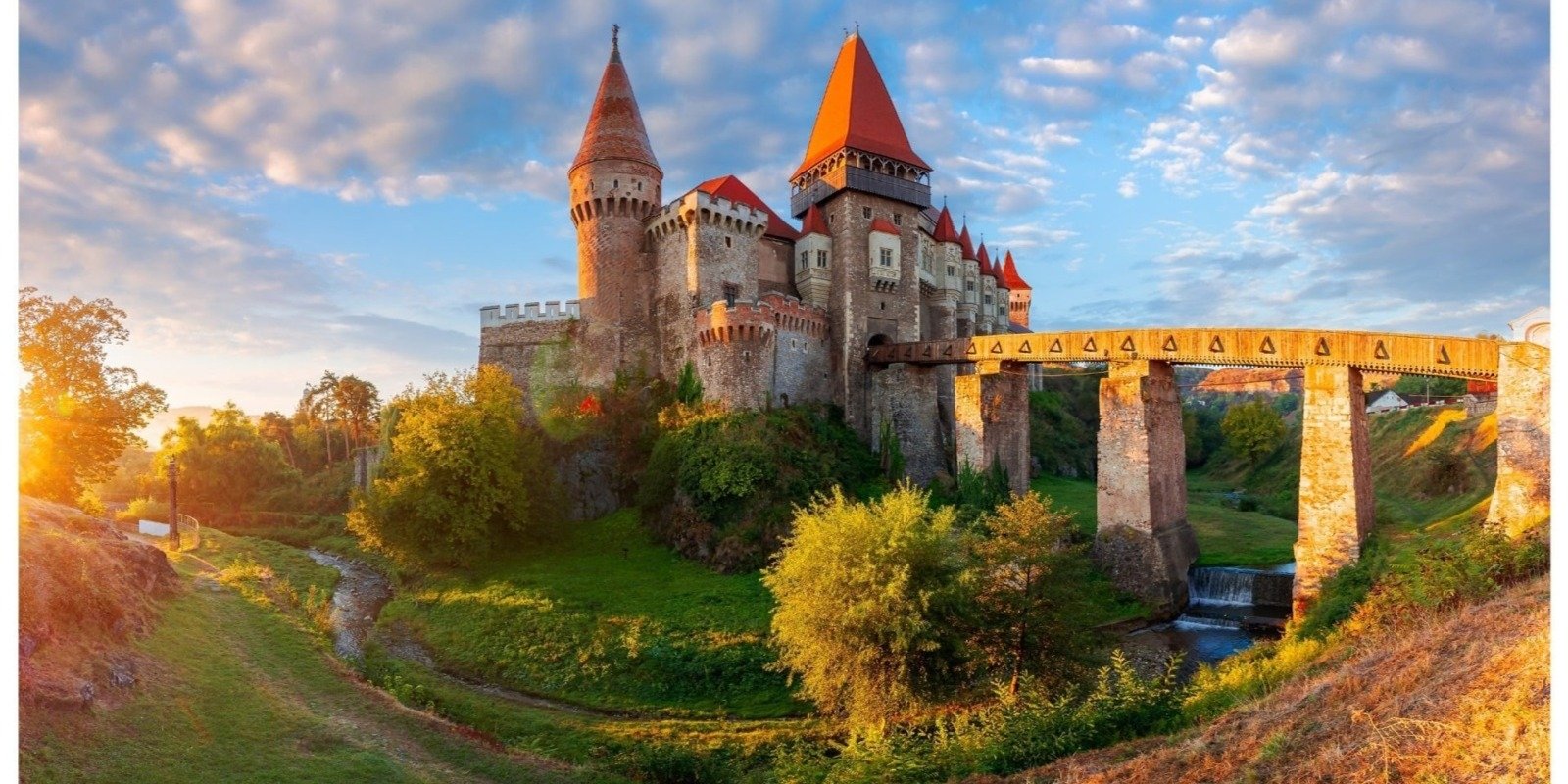
Cluj County sits at the heart of Transylvania, anchored by the vibrant city of Cluj-Napoca and surrounded by landscapes that range from underground salt cathedrals to medieval villages frozen in time. It is a region where Roman ruins meet contemporary art galleries, where you can descend 120 meters underground on a Ferris wheel and then drive twenty minutes to hike through a limestone gorge. This guide covers the essential experiences across Cluj county, from the city’s cultural core to the mountains and villages that make Cluj one of Romania’s most rewarding destinations.
Cluj-Napoca: The City Itself
The Historic Center and Unirii Square
The gravitational center of Cluj-Napoca is Unirii Square (Piața Unirii), a wide open space flanked by grand buildings that reflect the city’s layered history. At its heart stands the Church of Saint Michael, a striking Gothic structure whose stained glass and monumental proportions make it one of the most photographed buildings in the region . Just outside the church is the Matthias Rex Monument, a stately stone and bronze memorial honoring King Matthias Corvinus, who was born in the city in the 15th century .
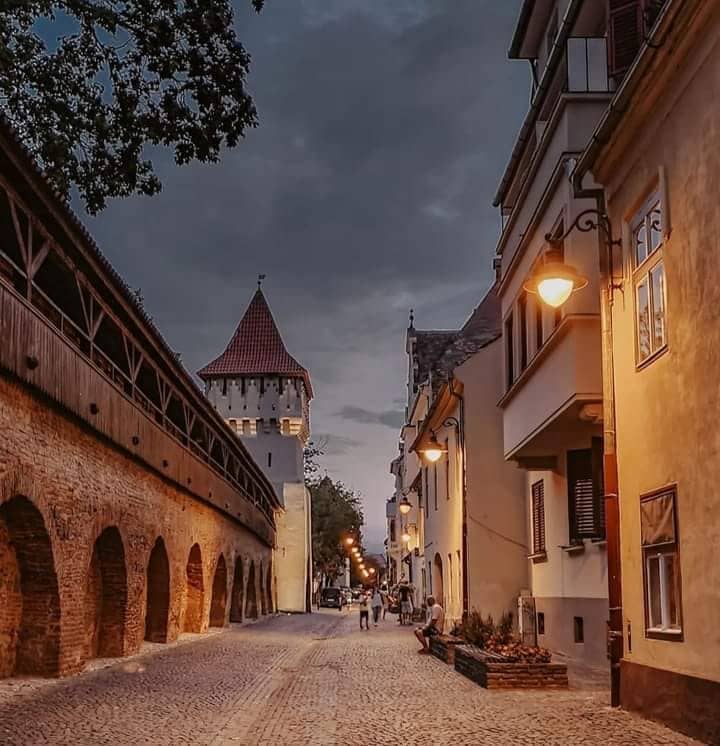
The square serves as a nexus between the old town, the commercial district, and the university area, and it sees a constant flow of locals and visitors throughout the day . Walking the pedestrianized cobbled streets around it, you will notice the city’s Austro-Hungarian architectural heritage—pastel facades, wrought-iron balconies, and a pace of life that feels unhurried .
Iuliu Maniu Street (Mirror Street)
One of Cluj’s most photographed spots is Iuliu Maniu Street, known locally as “Mirror Street” because the buildings on either side are symmetrical reflections of each other. It is a short walk from Unirii Square and worth a detour for the visual effect alone .
The Botanical Garden
The Alexandru Borza Botanical Garden is one of the largest and most beloved green spaces in the city, featuring an extensive collection of exotic plants and flowers arranged across a scenic landscape . It is a popular spot for locals to stroll, particularly in spring when the flowering trees are at their peak .
Central Park and Cetățuia Hill
Central Park Simion Bărnuțiu, established in the 19th century, is the city’s main recreational green space, with a boating lake, playgrounds, and shaded paths . For panoramic views of the city, head to Cetățuia Park, a hilltop green space with benches and a playground that offers a sweeping perspective over Cluj’s rooftops .
Museums and Galleries
Cluj-Napoca has a thriving contemporary art scene, supported by the University of Art and Design. The Fabrica de Pensule and Plan B galleries are among the pioneering spaces that helped establish the city as a center for contemporary art . The Bánffy Palace, a Baroque landmark in the city center, houses the Art Museum and is itself worth visiting for its architecture . The Ethnographical Museum of Transylvania offers a collection tracing rural heritage through everyday objects and photographs , while the open-air Romulus Vuia Park features historic wooden houses, churches, and workshops set in a scenic outdoor landscape .
The Someș River Promenade
The Rethinking Someș project revitalized the banks of the Someșul Mic river, creating pedestrian routes, running and cycling tracks, expanded green areas, and playgrounds. The initiative received international recognition for its urban design, and it has become a popular gathering space for residents and visitors alike .
Underground Wonders: Turda Salt Mine
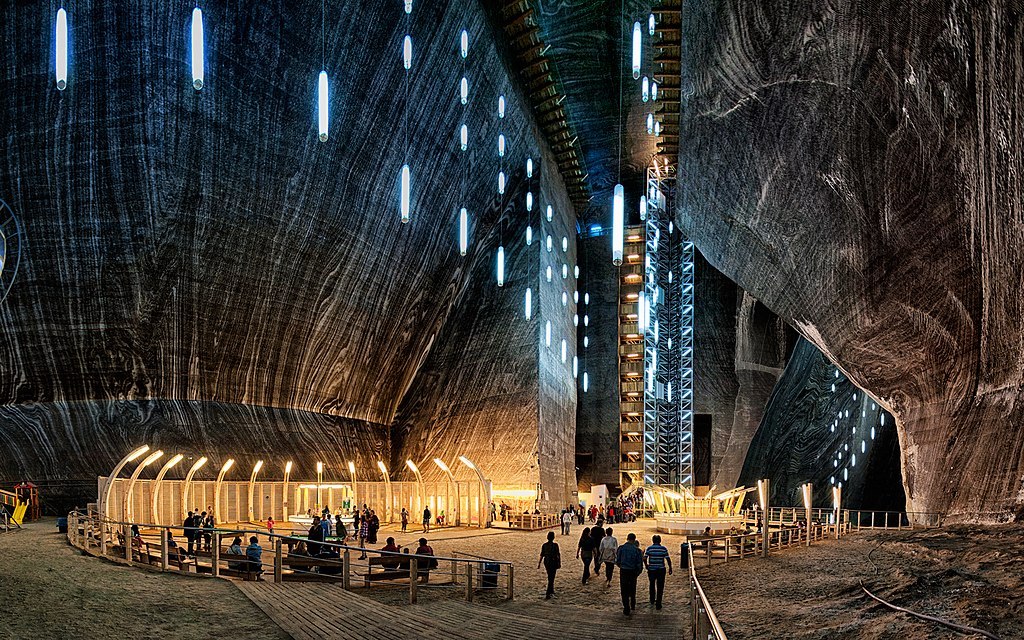
The Salina Turda is arguably the single most spectacular attraction in Cluj County. This former salt mine, which operated for centuries, has been transformed into an underground theme park located 120 meters below the surface. The scale is staggering: a 20-meter-high Ferris wheel, a boat tour on an underground salt lake, a miniature golf course, an amphitheater, and even bowling lanes and billiard tables are all housed within the vast caverns .
The mine is the most visited attraction in the county, with over 26,000 reviews on travel platforms . It is a genuinely unique experience—where else can you ride a Ferris wheel inside a salt cathedral? The temperature underground stays cool year-round, so bring a layer even in summer.
Natural Landscapes and Outdoor Adventures
Turda Gorge (Cheile Turzii)
Just a short drive from the salt mine, Turda Gorge is a dramatic limestone canyon carved by the Hășdate River. It is one of the most popular natural reserves in the region, with marked trails that cross streams and bridges, offering relatively easy walking with no significant elevation gain for those who stick to the gorge floor . The cliffs rise sharply on either side, and the area is home to diverse flora and fauna. For the more adventurous, there are via ferrata routes and a long zip line .
The Apuseni Mountains
The Apuseni Mountains stretch across the western part of Cluj County and into neighboring counties, forming part of the Apuseni Natural Park. This protected area encompasses over 400 caves, deep gorges, and underground rivers, with elevations ranging from 400 to 1,849 meters .
Scărișoara Ice Cave is the park’s premier attraction, containing a massive underground glacier estimated to be 3,500 years old—one of the largest in southeastern Europe . Guided tours lead visitors through illuminated galleries to see the ice formations.
Bridal Veil Waterfall (Vălul Miresei) is a stunning two-tiered waterfall, about 30 meters high, located near Răchițele village. The hike from the parking area is easy, roughly one kilometer, making it accessible for most visitors. It is considered the most representative waterfall in the Apuseni Mountains .
Piatra Secuiului offers a more challenging hike with rewarding panoramic views. The summit is not for beginners, but the landscape is stunning .
Pietrele Mărunte is a dramatic rocky ridge in the Muntele Mare massif, sitting at over 1,700 meters altitude. On clear days, the views extend toward the Trascău Mountains, Muntele Mare, and even the distant Rodnei, Făgăraș, and Parâng ranges .
Beliș Lake and Mărișel
The Beliș-Fântânele reservoir offers a picturesque setting for photography and relaxation, with a designated viewpoint at Mărișel providing a panorama of the lake and surrounding mountains . The area is also home to the Muntele Băișorii ski slope, the most well-known winter sports destination in Cluj County .
Hoia Baciu Forest
For those interested in the supernatural, Hoia Baciu Forest has earned a reputation as “Romania’s Bermuda Triangle,” with countless myths and legends about paranormal activity. Whether or not you believe the stories, the forest itself is an atmospheric place for a walk .
Villages and Rural Heritage
Rimetea: The Village Where the Sun Rises Twice
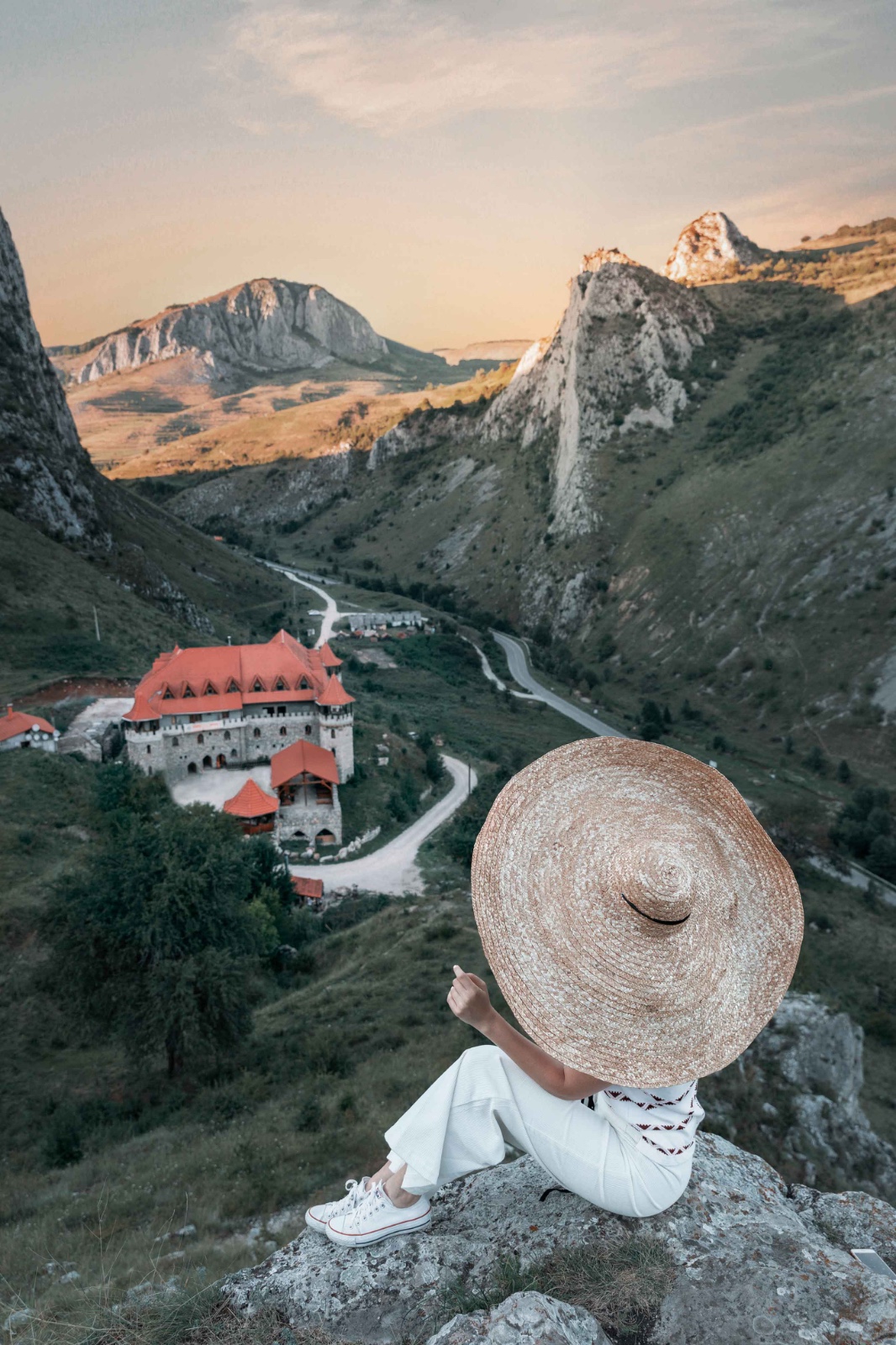
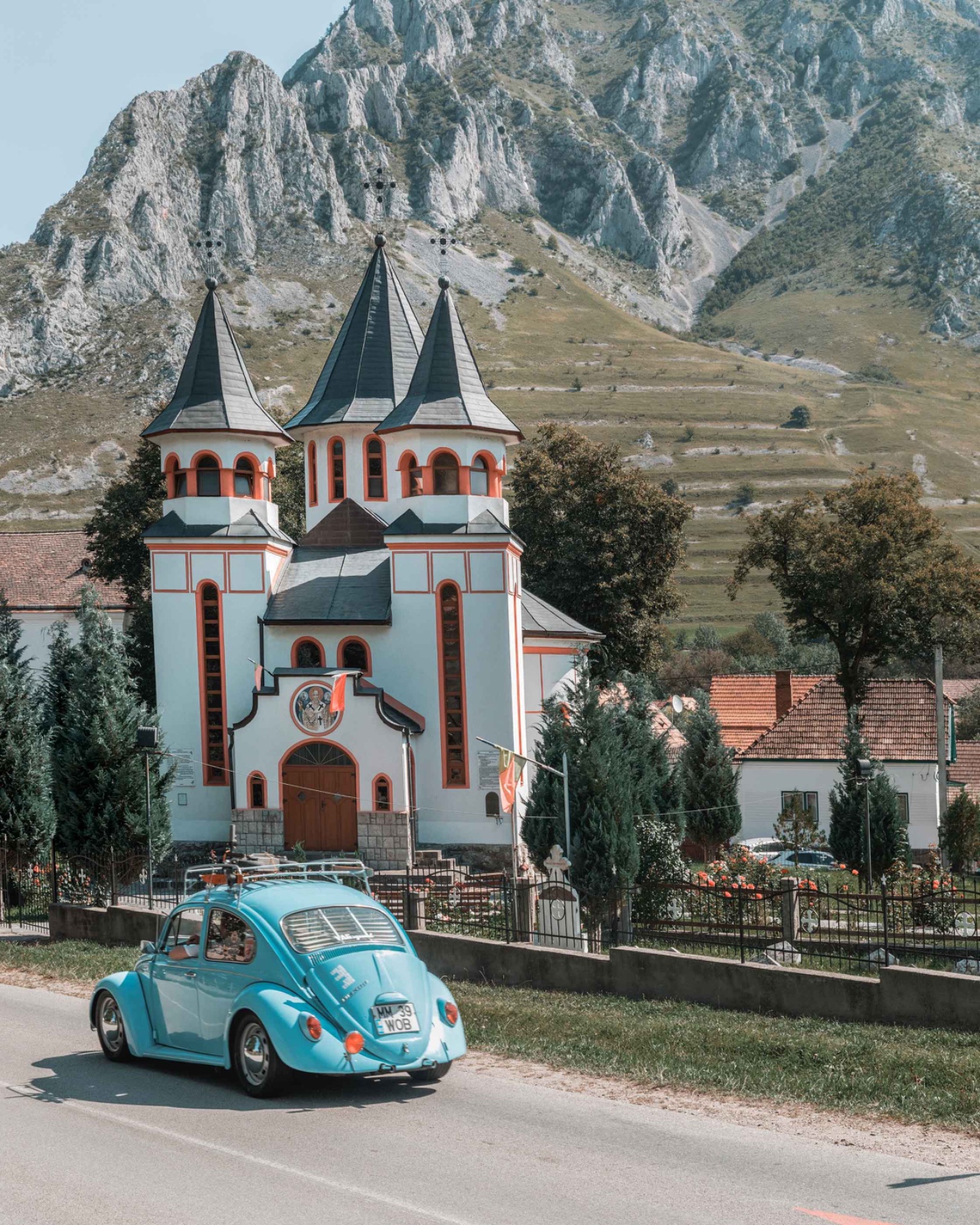
Rimetea, located in neighboring Alba County but easily accessible from Cluj, is one of the most beautiful villages in Transylvania. It is renowned for its white houses with green shutters, carefully preserved according to traditional Szekler architecture. Over 160 buildings are protected as historical monuments, and the village received the Europa Nostra Prize for cultural heritage conservation .
The village’s poetic nickname—”the place where the sun rises twice”—comes from a rare natural phenomenon: at certain times of year, due to the village’s position relative to Piatra Secuiului mountain, the sun appears to rise, is temporarily hidden by the peak, and then rises again . Visitors come for the hiking, the scenery, and the local langoș (fried dough with cheese and garlic) that has become a favorite among travelers .
Sâncraiu: A Preserved 19th-Century Village
Sâncraiu, in the Călata region of Cluj County, is considered one of the most beautiful tourist villages in Romania. It has preserved its 19th-century architectural heritage intact, with over 40 guesthouses welcoming visitors from around the world . The village is known for its distinctive wooden lacework adorning the facades of stone houses, and its 14th-century Reformed church with a painted wooden ceiling. The local gastronomy includes traditional dishes like goulash, balmoș, and golden dumplings with plum jam and walnuts .
Chidea: The Stone Village
Chidea, about 45 minutes from Cluj-Napoca, is unique in Romania for its houses built almost entirely of stone. The unpaved roads, rustic buildings, and quiet atmosphere make it feel like a village frozen in time .
Castles and Fortresses
Bánffy Castle in Bonțida
Often called the “Versailles of Transylvania,” Bánffy Castle in Bonțida is a magnificent Baroque palace that has undergone extensive restoration. Built in the 18th century by Count Dénes Bánffy, who was inspired by the Viennese court, the castle suffered severe damage during World War II when retreating German troops set it on fire. Restoration began in 1990 with the support of the Transylvanian Trust, patronized by King Charles III .
Today, the castle is open daily from 10:00 to 18:00 and hosts the Electric Castle Festival each July, which attracts over 200,000 visitors and has featured artists like The Prodigy, Iggy Pop, and Florence + the Machine .
Bologa Fortress
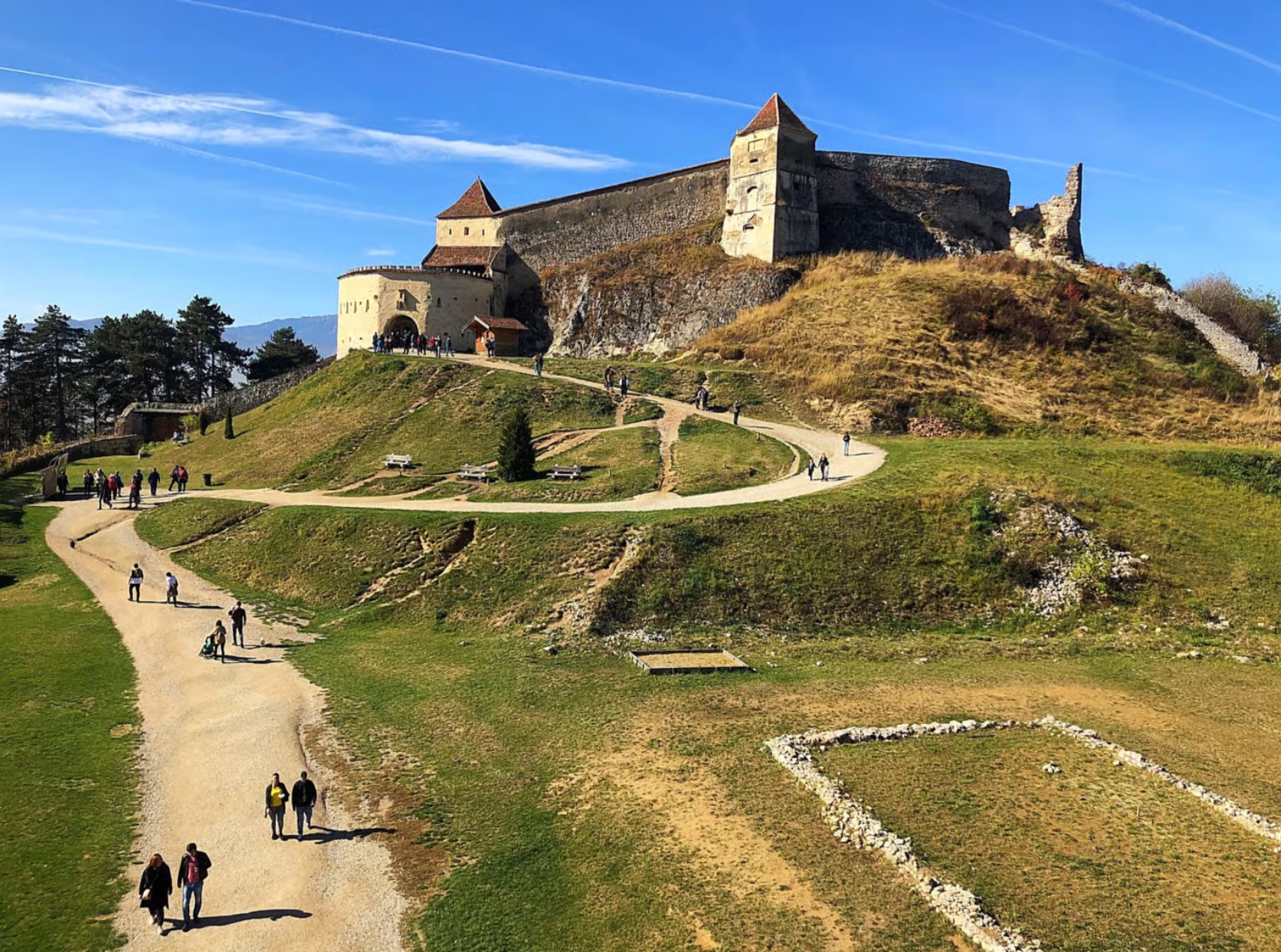
Believed to date from the 13th century, Bologa Fortress is one of the oldest fortifications in Transylvania. Recently restored, it sits on a hill with beautiful views of the surrounding countryside. Nearby, you can visit a traditional watermill and the Bologa Mill Museum .
Bánffy Castle in Râscruci
The second Bánffy castle, in the village of Râscruci, is a perfectly restored Baroque-Classicist palace built in 1809. Originally a summer residence, it features ornate wood carvings in its entrance hall and other rooms. While less famous than its Bonțida counterpart, it is a gem worth seeking out .
Day Trips from Cluj-Napoca
Sighișoara
About 111 kilometers from Cluj, guided tours to Sighișoara is the only inhabited medieval citadel in Europe still functioning as a living town. The Clock Tower anchors the upper town, and the Vlad Dracul House—where Vlad the Impaler was reportedly born—draws visitors interested in the Dracula legend. The citadel is compact enough to explore in two hours, leaving time for the covered wooden Scholars’ Stairs .
Sibiu
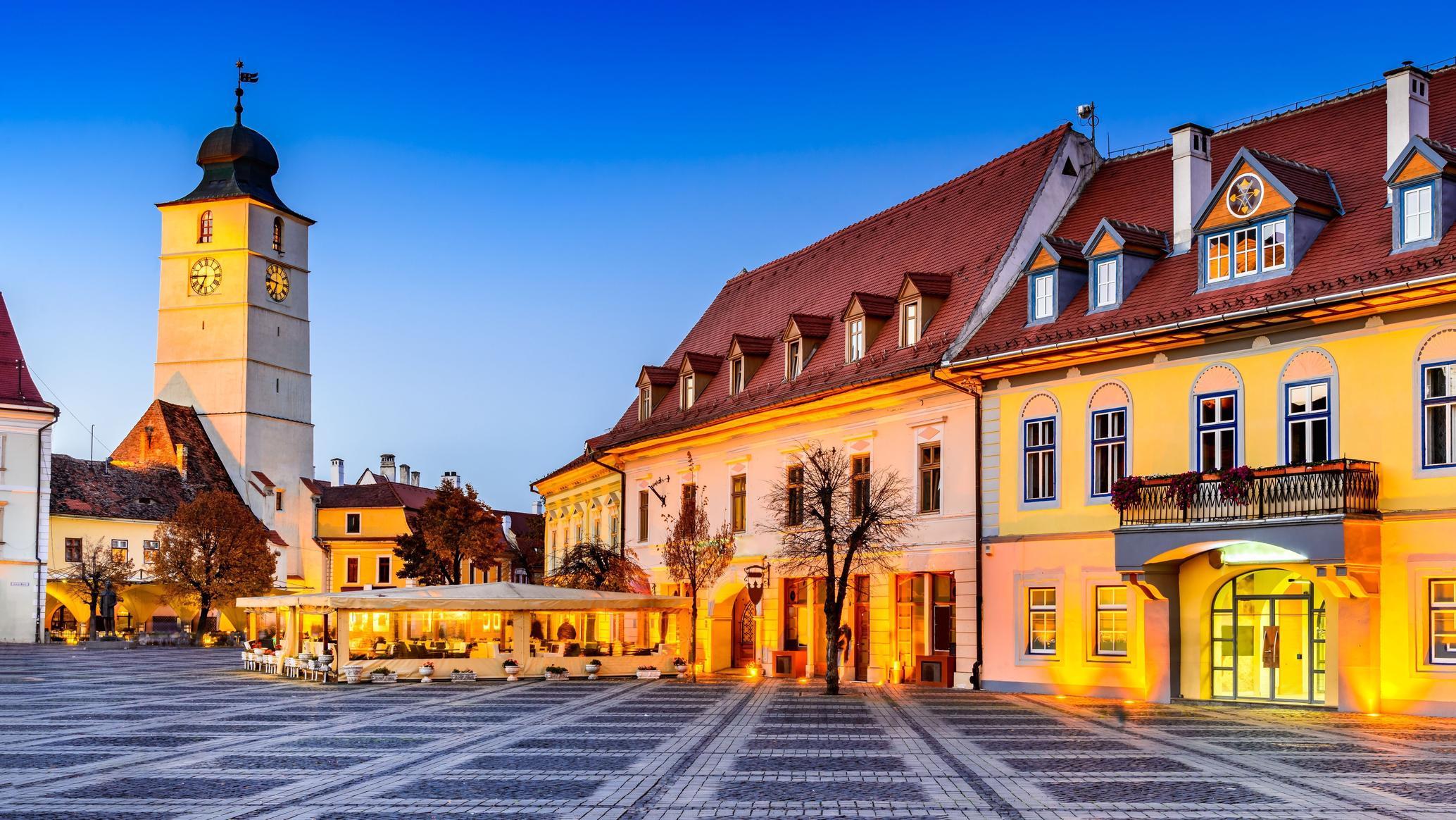
Roughly 116 kilometers away, Sibiu is the grander of the two Saxon towns, with three connected squares forming its old civic center. The Large Square is lined with pastel facades featuring distinctive “eye” dormer windows. The Brukenthal National Museum holds one of Romania’s best art collections, and the Council Tower offers a panoramic view over the terracotta roofs .
Practical Considerations
Cluj-Napoca is a compact, walkable city, and most central attractions are reachable on foot or by short tram or bus rides . For exploring the county, renting a car is the most flexible option, though trains connect Cluj to Sighișoara and Sibiu directly if you prefer not to drive . The Apuseni Mountains are accessible by road, with paved routes reaching most trailheads, though some areas require unpaved forest roads .
The city has a vibrant event calendar throughout the year, including Cluj Days in May, the Transylvania International Film Festival in June, and the Untold Festival in August . For food, the city offers a blend of traditional Transylvanian dishes—try varză à la Cluj at Roata or sarmale at Casa Ardelenească—and a growing brunch culture with spots like Madrugada and Eggcetera .
Cluj County rewards both the traveler who stays in the city and the one who ventures out. Whether you are riding a Ferris wheel underground in a salt mine, hiking to a waterfall in the Apuseni, or simply watching the sun reflect off the twin facades of Mirror Street, the region offers a depth of experience that few places in Romania can match.
Book your tours and activities in Cluj County with GetLocals.

Bryn Jacobs Chief Editor
Hello dear Travelers! I am Bryn Jacobs and I am your travel advisor. Having a vast experience in traveling throughout Eastern Europe and having researched this part of the world myself. I write articles on the site about travel experiences in Eastern Europe with statistics and interesting facts.