
Getting from Tallinn to Rummu Quarry: Transport Options and the Case for a Private Guide
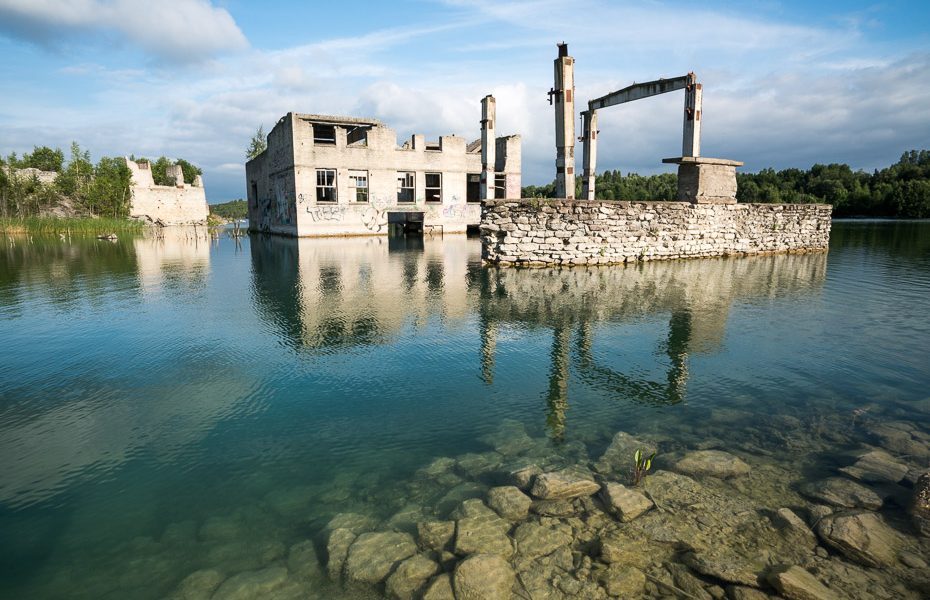
Rummu Quarry is one of Estonia’s most surreal and photogenic landscapes: a flooded limestone pit where the submerged ruins of a Soviet-era prison create an eerie, turquoise-tinted underwater world. Located roughly 45 to 50 kilometres west of Tallinn, it is close enough for a day trip but far enough that the journey requires some planning. Travelers have several options for getting there—public bus, taxi, organised group tour, or a private guide—and each comes with distinct trade-offs in cost, convenience, and what you actually get out of the visit. This guide breaks down the realistic options for reaching Rummu from the capital and explains why a private guide or small-group tour is often the best choice for making the most of this top day trip from Tallinn.
Understanding the Destination and Its Constraints
Before diving into transport logistics, it helps to understand what Rummu actually is and how visitors experience it. The site is a former limestone quarry adjacent to Murru Prison. When mining operations ceased and the pumps that kept groundwater out were switched off, the pit flooded, submerging buildings, machinery, and prison structures beneath clear, green-blue water . Today it operates as a paid attraction with an entry gate, opening hours from 10:00 to 20:00, and a range of activities including hiking trails, swimming, SUP board rental, and an audio-guided tour of the prison grounds .
Entry costs are modest: a standard quarry ticket is €8, a combined quarry and prison museum ticket is €10, and guided prison tours can be arranged for groups with advance booking . The site is open daily, though the winter season brings a different configuration, including an ice rink on weekends with a €10 ticket that includes quarry access, the prison, and an audio guide .
The key point for transport planning is that Rummu is not a place you simply stumble into. It has a formal entrance, a ticket system, and a layout that rewards some prior knowledge—the prison area, the lake, the spoil tip hills, and the various water activities are distinct zones. Arriving without context means you may see a pretty lake but miss the layers of history that make it compelling. This is where the mode of transport intersects with the quality of the visit itself.
Option One: Public Bus
The most economical way to reach Rummu from Tallinn is by public bus. Direct services run from Tallinn’s city centre to the Rummu area, with the journey taking approximately one hour and ten minutes on average. Buses are operated primarily by Hansabuss AS and SEBE, with departures from the Viru stop in central Tallinn . The frequency is described as roughly every few hours, with some sources indicating hourly service, though the actual number of daily departures varies by day and season .
Ticket prices are low, typically in the range of €3 to €5 depending on the operator and any discounts . The bus drops passengers at stops near Rummu, with the closest stops—Rummu-Sireli and Rummu—being an 11- to 12-minute walk from the quarry entrance . This final walk is not a major obstacle, but it is worth factoring in, especially in poor weather or if you are carrying equipment.
The limitations of the bus option are significant for a day trip. First, the schedule is not designed around tourist needs. If you miss a bus, the next one may not come for hours, which compresses your time at the quarry or leaves you stranded. Second, the walk from the bus stop to the entrance and then around the sprawling site adds physical effort to what is already a day of walking. Third, and perhaps most importantly, the bus gets you to Rummu but does not help you understand it. You arrive at a gate, pay your entry, and are left to navigate a landscape whose most interesting stories—the prison labour, the flooding, the submerged buildings—are not always immediately legible without guidance.
Option Two: Taxi or Rideshare
A taxi from central Tallinn to Rummu takes approximately 45 to 50 minutes and costs in the range of €40 to €55 one way . For a small group of three or four people, this can be cost-effective compared to buying individual tour tickets, and it offers the flexibility of departure times and the comfort of door-to-door service.
The drawback is that a taxi is transport, not interpretation. The driver will drop you at the entrance, and you will still need to figure out the site yourself. For a return journey, you will need to either arrange for the driver to wait—which can be expensive—or hope to find a taxi available at Rummu, which is not guaranteed given its relatively remote location. Rideshare services may be available, but coverage outside Tallinn can be inconsistent. For travelers who are confident navigating new places independently and primarily want the freedom to explore at their own pace, a taxi is a reasonable middle-ground option. For anyone who wants context, a story, and someone to handle the logistics, it falls short.
Option Three: Organised Group Tours
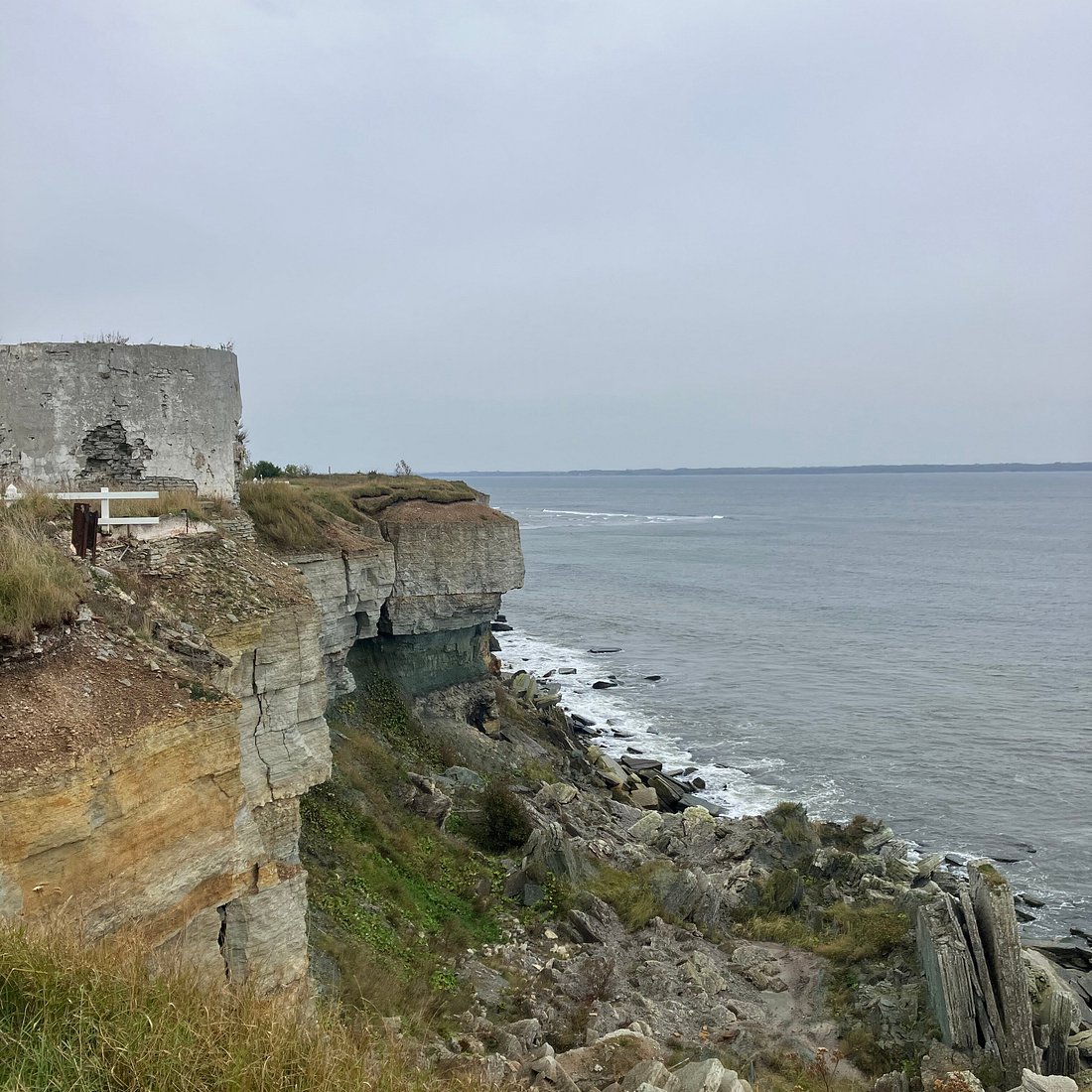
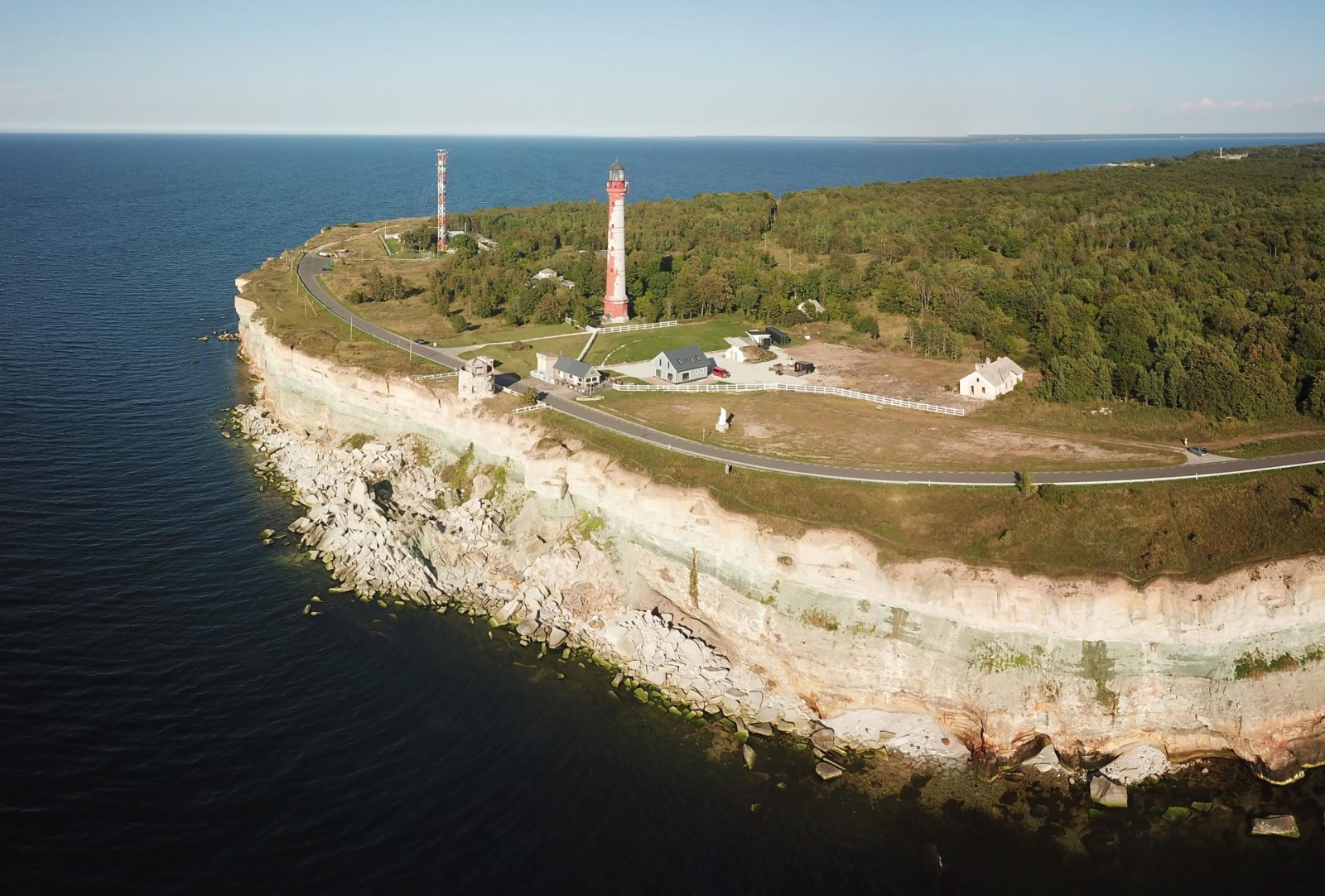
Several operators run day tours from Tallinn that include Rummu Quarry as part of a broader itinerary. These tours typically combine Rummu with other sights along the northwestern coast: the Keila-Joa waterfall, the Pakri cliffs, the Soviet-era closed town of Paldiski, and sometimes an abandoned missile base or naval fortress . The standard format is a six- to seven-hour day, with transport from a central meeting point in Tallinn, a live guide, and stops at multiple locations.
The advantages are clear. You do not need to worry about driving, parking, or navigating unfamiliar roads. The guide provides context at each stop, and the itinerary is designed to show you a coherent slice of the region rather than just a single quarry. For travelers who want to see more than Rummu in a day, this is an efficient use of time. Prices vary by operator and group size, and some tours include lunch while others leave it as an optional extra .
The limitations are equally clear. Group tours operate on a fixed schedule, and the time allocated to Rummu is usually limited—often enough for a walk up the spoil tip for photographs and a brief look around, but not enough for a deep exploration of the prison grounds, a swim, or a proper audio-guided walk. The experience is shared with a larger group, which can dilute the sense of discovery. And while the guide is knowledgeable, the format is necessarily generalist rather than tailored to your specific interests.

Book a day trip from Tallinn today
Option Four: Private Guide or Private Tour
A private guide or private tour is the option that best addresses the specific character of Rummu as a destination. The site rewards context: knowing what you are looking at transforms a pretty flooded pit into a layered historical landscape. A private guide can explain the prison’s history, the mechanics of the flooding, the stories of the buildings that remain partially submerged, and the ways the site has been repurposed for recreation and diving. They can tailor the pace to your interests, spend more time in the areas that fascinate you, and skip the parts that do not.
Practically, a private tour eliminates the friction that defines the independent options. There is no need to coordinate bus schedules, no walk from a distant stop, no uncertainty about return transport. Private transfer options exist that combine transportation with entry tickets and a guided visit, with pickup from your hotel or a central meeting point and a duration of around four hours . This format is particularly valuable for travelers with limited time, families or small groups who want a flexible schedule, and anyone who prefers not to navigate public transport in a foreign country.
The cost of a private tour is higher per person than a bus ticket, but when divided across a small group, it often compares favourably to the combined cost of taxis, entry fees, and the value of the guide’s expertise. More importantly, the quality of the experience is fundamentally different. Rummu is not a site that gives up its stories easily. The underwater prison, the artificial hills, the contrast between the clear water and the industrial past—these are things that a guide brings to life in a way that an audio guide or a signboard cannot fully replicate.
There is also a practical safety dimension. Rummu is a former industrial and prison site, and while it is managed as a visitor attraction, some areas and activities—swimming, diving, exploring the prison buildings—carry inherent risks. A guide who knows the site can advise on what is safe, what is off-limits, and how to enjoy the quarry responsibly. For families with children or travelers unfamiliar with the terrain, this guidance is worth having.
Practical Considerations for Your Visit
Regardless of how you get there, a few details will shape your day. The quarry is open from 10:00 to 20:00, and arriving earlier in the day gives you better light for photographs and fewer people on the trails . Bring a card for payment, as the gate and café accept cards, but cash can be useful for smaller vendors. Wear comfortable shoes suitable for walking on uneven ground, and if you plan to swim or use the water activities, bring appropriate clothing and a towel.
If you are relying on public transport, check the return bus schedule before you leave Tallinn and build in a buffer. If you are taking a taxi, consider arranging a pickup time with the driver rather than hoping to find one at the quarry. If you are joining a group tour, confirm the meeting point and the expected time at Rummu so you know what you will be able to fit in. And if you are booking a private guide, communicate your interests in advance—whether that is photography, history, or simply a relaxed visit with time for a coffee—so the guide can shape the experience accordingly.
The Verdict
For the budget-conscious independent traveler to Tallinn with time to spare, the public bus is a viable option that gets you there for a few euros. For small groups who value flexibility and door-to-door convenience, a taxi is a reasonable compromise. But for most visitors, especially those on a short trip to Estonia, a private guide or a well-run small-group tour offers the best balance of convenience, interpretation, and overall experience. Rummu is not just a scenic lake; it is a place with a strange and layered history, and the difference between seeing it and understanding it is often the person who shows it to you. The journey from Tallinn is only an hour, but the quality of that hour—and of the time you spend at the quarry—depends heavily on how you choose to arrive.
Take a private tour to Rummu Quarry

Bryn Jacobs Chief Editor
Hello dear Travelers! I am Bryn Jacobs and I am your travel advisor. Having a vast experience in traveling throughout Eastern Europe and having researched this part of the world myself. I write articles on the site about travel experiences in Eastern Europe with statistics and interesting facts.