
The Ultimate Guide to Bar Hopping in Bucharest: Guided Pub Crawls and What to Expect
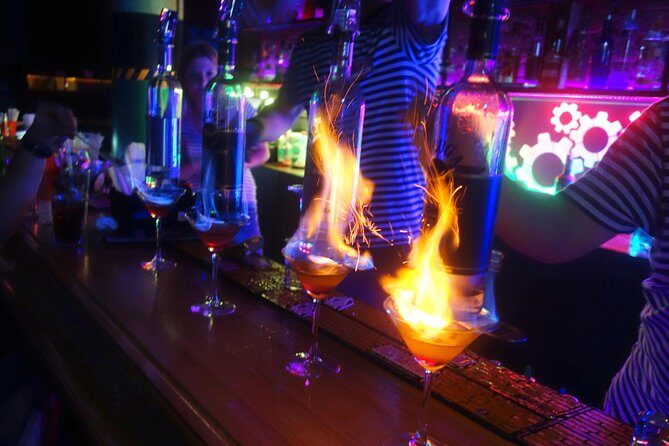
Bucharest is fast becoming one of Europe’s hottest party destinations. Cheap flights from across the continent keep depositing wave after wave of revellers, and the Old Town’s cobblestone streets transform after dark into a seething, neon-lit ocean of bars. There’s no strict closing time here—venues stay open as long as they like—and a medieval church can sit right next to a strip club without anyone batting an eye. Given that density and chaos, wandering in blind is a recipe for overpriced drinks and wasted nights. An organised pub crawl in Bucharest is the most efficient and socially rewarding way in.
This guide covers everything you need to know: what a pub crawl actually is, how to choose between Bucharest’s two main routes, what happens hour by hour, and the survival rules that separate a legendary night from a regrettable one.
1. What a Pub Crawl Actually Is: Not Drinking, but “Drinking Socially”
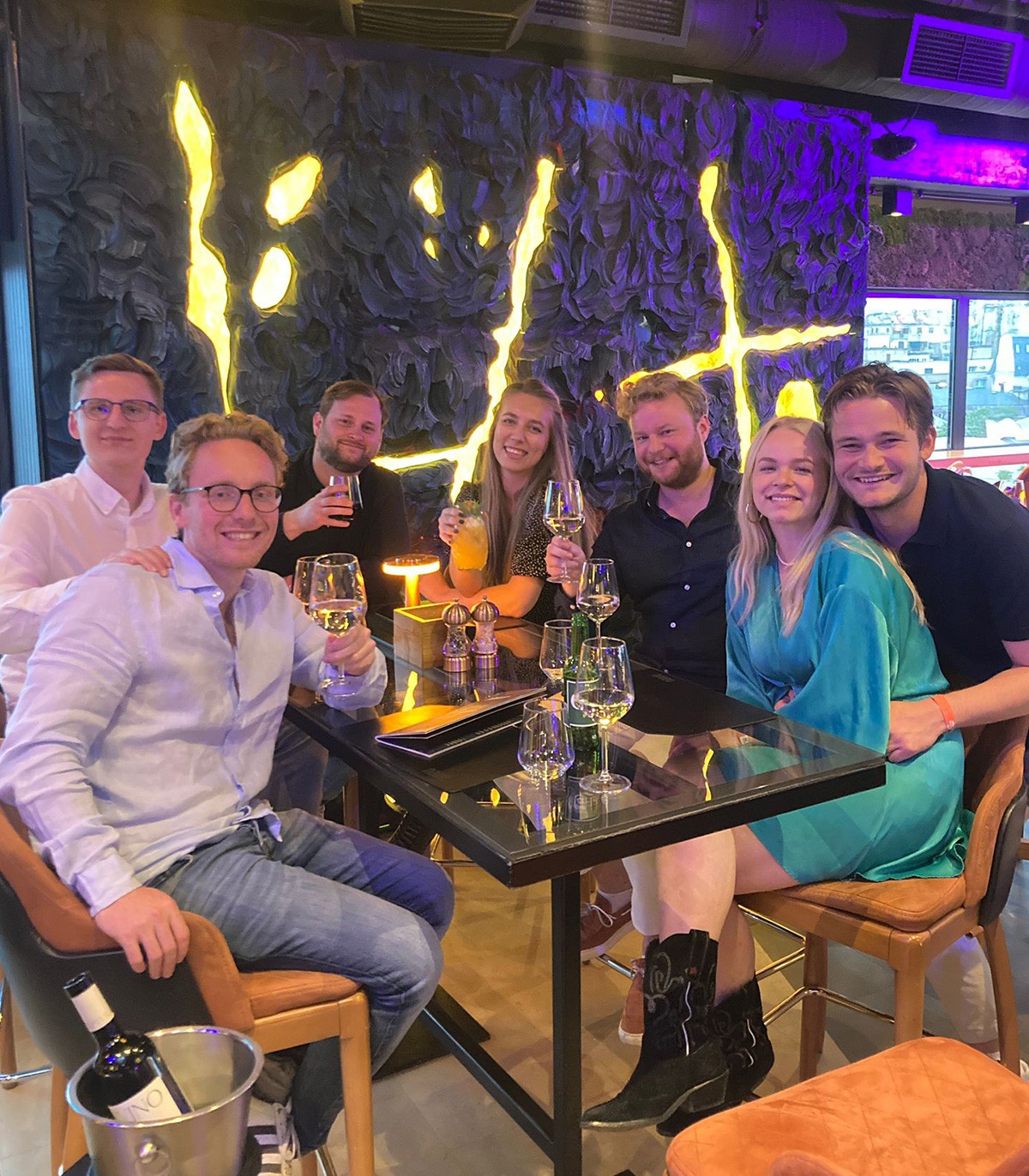
The core logic is simple: a guide leads a group through four or five different venues in one night, one drink per stop, then moves on. But the appeal goes far beyond the alcohol. As one review put it, it’s essentially “speed dating fuelled by alcohol”—a sports bar, an underground dive, a polished cocktail lounge. Each stop is a scene change, and each scene change tests how fast you can break the ice with strangers.
In Bucharest, this model is pushed to its limit. The guides aren’t just people who know the way—they’re the engine of the night. Based on reviews that come up again and again, a good guide does the following: organises a group photo at the meeting point to kill the awkwardness, dances during transitions, and may even fire liquor into your mouth with a toy gun. One guide named Mario is mentioned repeatedly, with one reviewer calling him “the best party guide I’ve ever met.” Another review names Smaranda, saying “choose her if you want the full experience.”
The difference between this and just walking into a bar and ordering a drink is that you’re buying a fully scripted social evening. You don’t have to figure out where to go next, you don’t deal with queues or cover charges, and you don’t hesitate at the door wondering whether to go in. The guide has already squared things with the venue—you just walk in.
2. Two Routes: Old Town Standard vs. Upscale VIP
Bucharest’s pub crawls come in two main flavours, and your choice depends on what kind of night you want.
Route A: Old Town Standard Crawl (The Mainstream Choice)
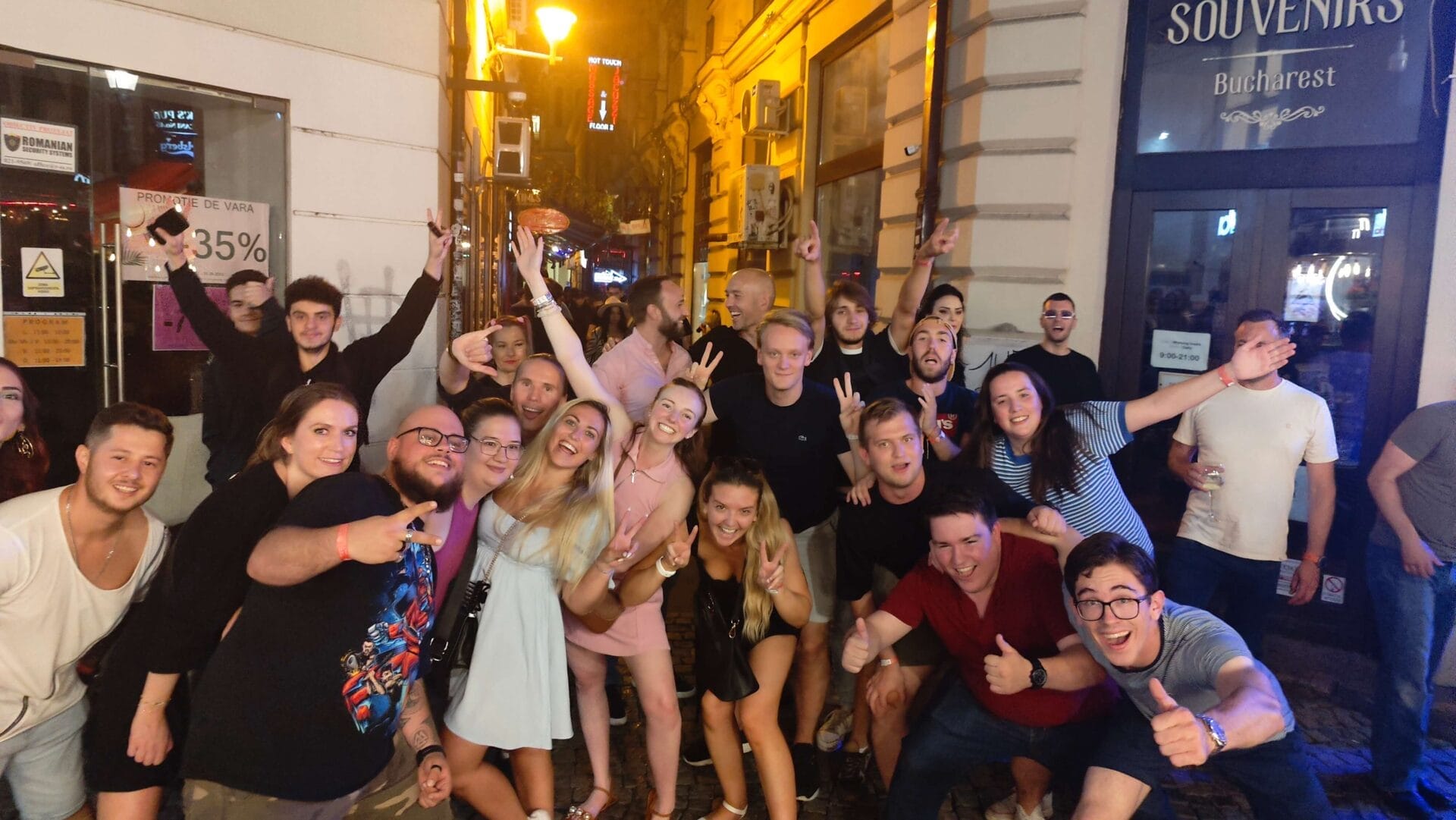
This is what most people sign up for. The meeting point is usually in the heart of the Old Town—possibly near 27 Lipscani Street, or outside a Gregory’s coffee shop. The crawl runs four to five hours, hits four to five venues, typically two bars and three clubs, each with a different vibe—from alternative underground to polished decor, from local music to mainstream hits.
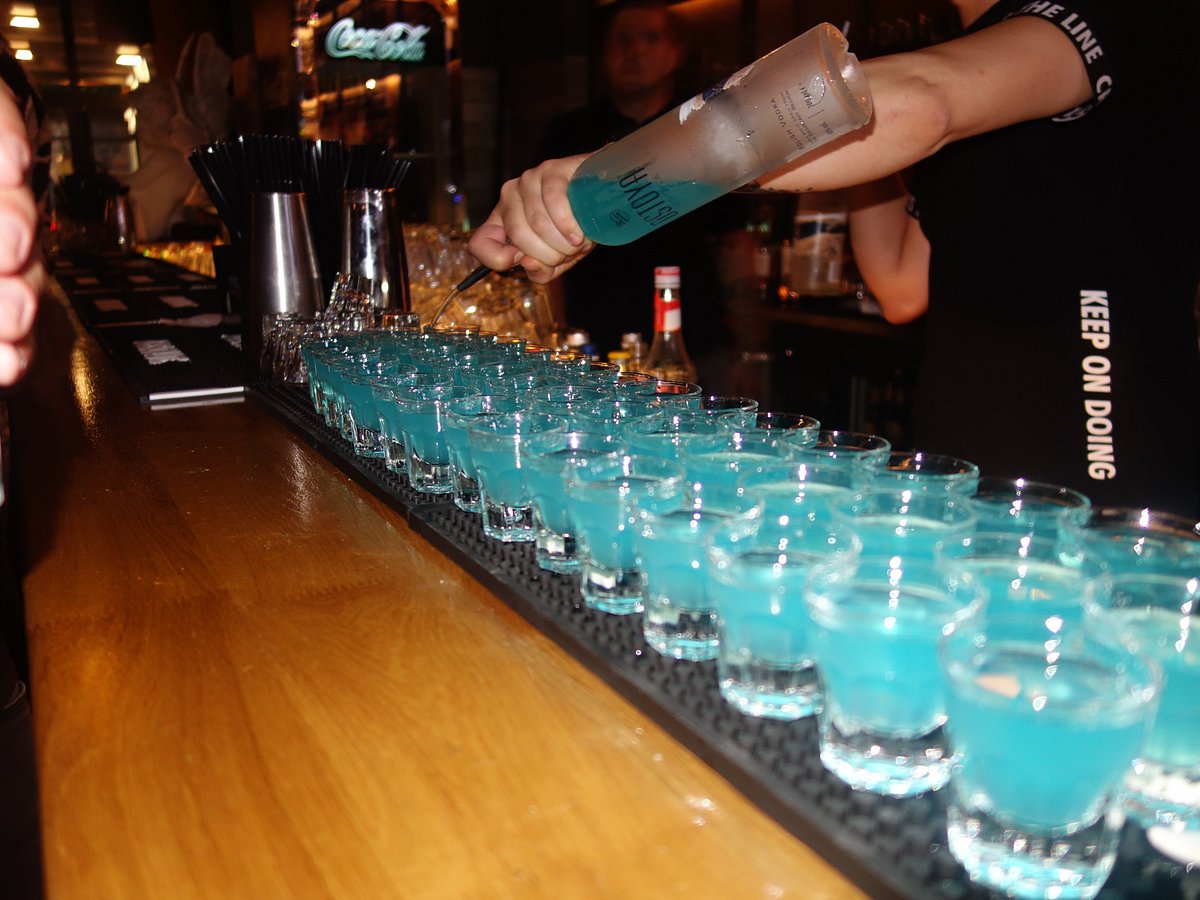
What’s included: one free welcome shot at each venue, guided priority entry, reserved tables at some spots, photos and videos taken by the guide throughout, and plenty of local nightlife tips. What’s not included is any personal drinks beyond that free shot—meaning every other drink you consume comes out of your own pocket.
Who it’s for: solo travellers, small groups of two or three, people who want to meet international friends. Participants come from all over the world, and the ratio is roughly one guide per fourteen people; on a busy night there can be six guides running different groups simultaneously. One reviewer called it “the best decision I made in Bucharest,” because “if you’re travelling alone or just want to meet people from around the world, there’s nothing better.”
Dress code: no flip-flops, tracksuit bottoms, vests, or swim shorts. Smart casual is the standard. Some venues enforce a dress code, and dressing too casually will get you stopped at the door. You must bring ID or a passport—18+ only, and no ID means no entry.
Route B: VIP Upscale Crawl (The Niche Choice)
If the thought of tourist-packed Old Town bars doesn’t appeal, the VIP route goes in a completely different direction. It skips the Old Town entirely and heads to Bucharest’s upscale venues—craft cocktail bars, panoramic rooftop lounges, VIP clubs, mainly around Herastrau Lake and King Mihai I Park.
What’s different: a private minibus transfers you between venues, so there’s no walking. Each venue offers reserved seating and skip-the-line entry, plus a welcome shot. The total run is five hours but only three venues, each carefully selected for quality and service rather than quantity. The guide’s role leans more toward “local nightlife consultant” than party host.
Who it’s for: couples, small groups wanting a more refined evening, people celebrating a special occasion (birthdays, stag or hen dos in Bucharest). It’s not for anyone chasing a “wild and chaotic” experience—the positioning is a “curated social experience,” and curated is the operative word.
3. How the Night Actually Unfolds: From Meeting Point to Last Call
Whichever route you pick, the rhythm is broadly the same. Knowing what’s coming reduces anxiety and increases enjoyment.
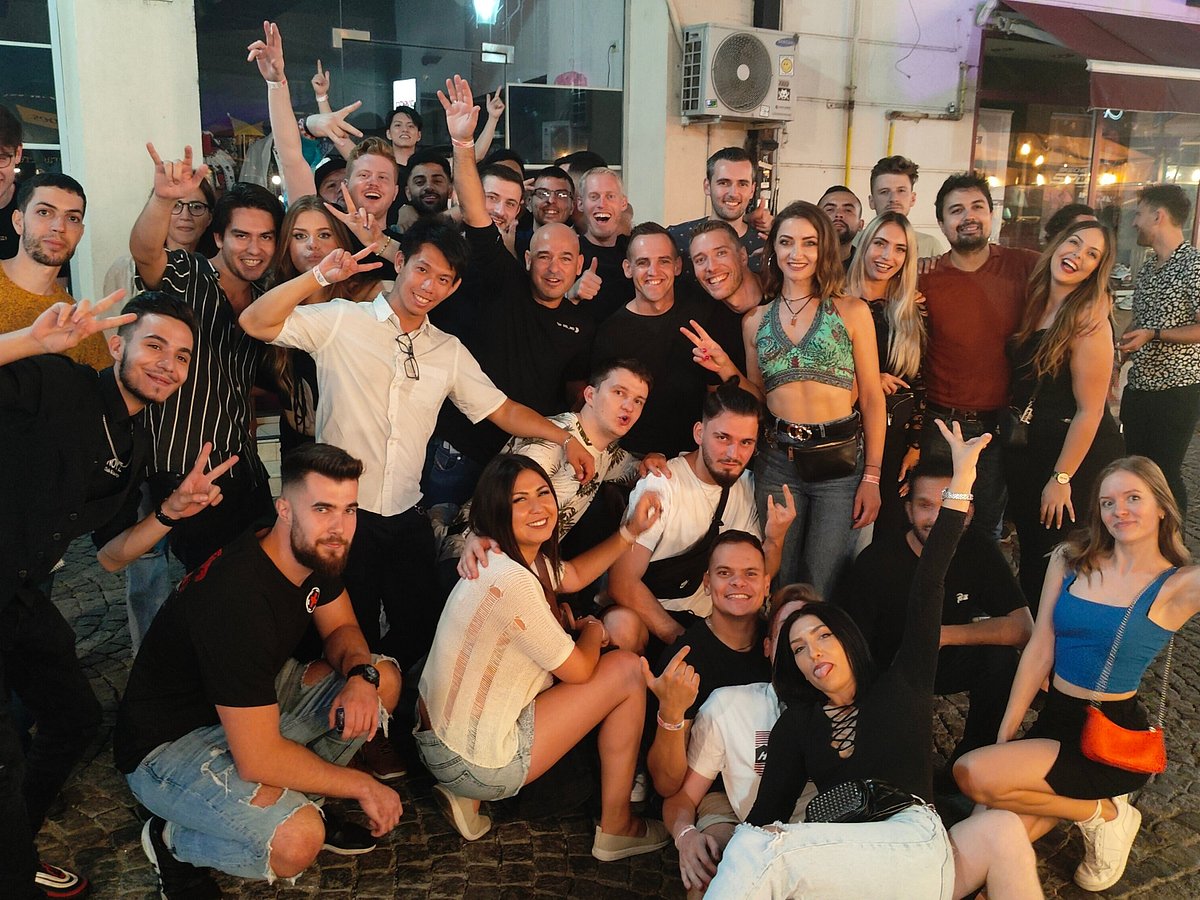
The meeting phase: You gather at a designated spot, usually outside a coffee shop in the Old Town. The guide introduces themselves, then—according to multiple reviews—organises a full group photo. This bit can feel awkward, but it’s a necessary first layer of ice-breaking. You get to see what your “comrades” look like, how many there are, and roughly where they’re from.
First two stops: ice-breaking and warming up. The first venue is usually a bar with a relatively relaxed pace. The welcome shot lands in your hand here. The guide starts facilitating conversation and may organise simple drinking games. The goal at this stage isn’t to get drunk—it’s to get a group of strangers talking to each other. The second stop is often still in “bar” territory, possibly somewhere with a live band or karaoke setup.
Middle stops: hitting your stride. By the third venue, the atmosphere should be warm. The walk between venues is itself part of the social experience—you naturally fall into conversation with whoever’s beside you, whether about that strange shot you just had or whether the next place has nachos. This is the stage where the “I made friends tonight” feeling tends to crystallise.
Final two stops: club mode. The last venue or two is usually a club. Music gets louder, lights get dimmer, conversation becomes body language. The guide’s job here shifts to making sure nobody gets lost, nobody gets stopped at the door, and nobody causes trouble. One review specifically notes that the guide took safety “very seriously” and “treated us like family.” The final club usually stays open until close—after the four or five hours of the crawl ends, anyone who wants to keep dancing can stay.
The end: There’s no formal “dismissal ceremony.” The crowd thins naturally—some keep drinking, some call a cab back to the hotel, some have already made plans with new friends for tomorrow.
4. Practical Survival Rules
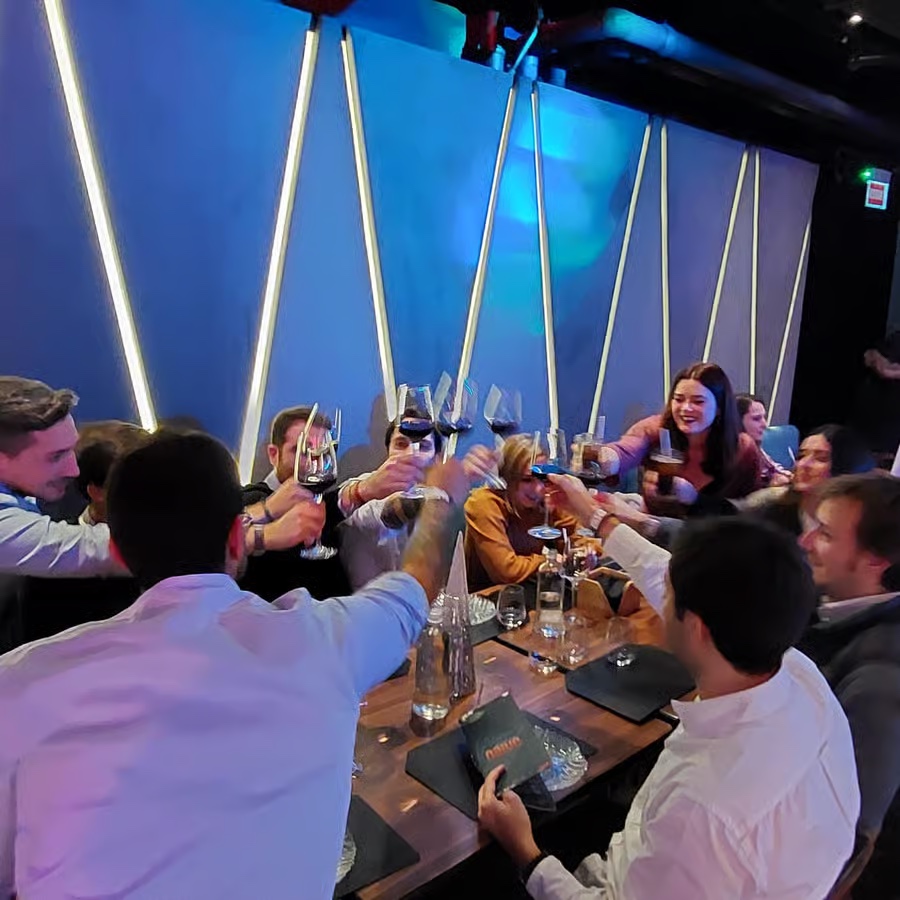
The drink/don’t-drink balance. One free shot per stop doesn’t sound like much, but four or five different spirits mixed together, plus whatever you buy yourself, can easily have you “hitting the wall” by the third stop. A piece of advice from a seasoned pub crawler is genuinely useful: stick to one type of drink all night. “Eleven of the same drink equals a happy night; five Jägers plus four tequilas plus two Fireballs equals a night of vomiting.” Also, eat before you start drinking, or within the first three stops. Bucharest’s Old Town has plenty of quick local options—mici (grilled minced meat sausages) or a Dristor kebab wrap. Drinking on an empty stomach is the rookie mistake.
What you wear genuinely matters. Bucharest clubs are not the beach. Flip-flops, vests, tracksuit bottoms, swimwear, sliders—all will get you turned away. Wear comfortable but presentable shoes, because you’ll walk a fair amount on cobblestones, and the Old Town’s surfaces are hostile to both heels and thin soles.
Mental preparation for “the chaos”. A pub crawl is, by nature, “organised chaos.” You’ll meet people who drink too fast, people who insist on sticking to a military-grade timetable, people who declare “I love you all” by the third stop. All of this is part of the experience. Accept it, enjoy it, but hold your own boundaries—know your limit, know when to switch to water, know when to call a cab and leave. The guide looks after the group, but ultimately the person responsible for your night is you.
Language and socialising. Guides are fluent in English, and many speak a second language (French, Spanish, Italian). Participants are mostly international tourists—Brits, Israelis, Germans, French, Americans are the most common. If you come alone, the first hour can be rough—that’s normal. By the second stop, alcohol and atmosphere solve most of the social problems. One reviewer summed it up perfectly: “Come alone, leave with a new group chat.”
Book ahead. Friday and Saturday crawls frequently sell out. Some accept same-day bookings, but booking in advance guarantees your spot and gets you the exact meeting point details.
Conclusion
A Bucharest pub crawl is not an “alcohol tourist trap.” It’s a designed social machine that drops a group of strangers into one night and lets the Old Town’s density and energy do the rest. You might end up arguing with an Israeli about whose bar has better music at stop three, dancing with a German girl in the club at stop four, and discovering on the way back to your hotel that your phone now contains 47 blurry but joyful photos taken by the guide.
That’s the value—not how much you drank, but the illusion that “tonight I’m not a tourist, I’m part of this city’s night.” In Bucharest, that illusion is unusually easy to buy, and unusually worth buying once.
Book your Bucharest pub crawls with get locals.

Bryn Jacobs Chief Editor
Hello dear Travelers! I am Bryn Jacobs and I am your travel advisor. Having a vast experience in traveling throughout Eastern Europe and having researched this part of the world myself. I write articles on the site about travel experiences in Eastern Europe with statistics and interesting facts.