
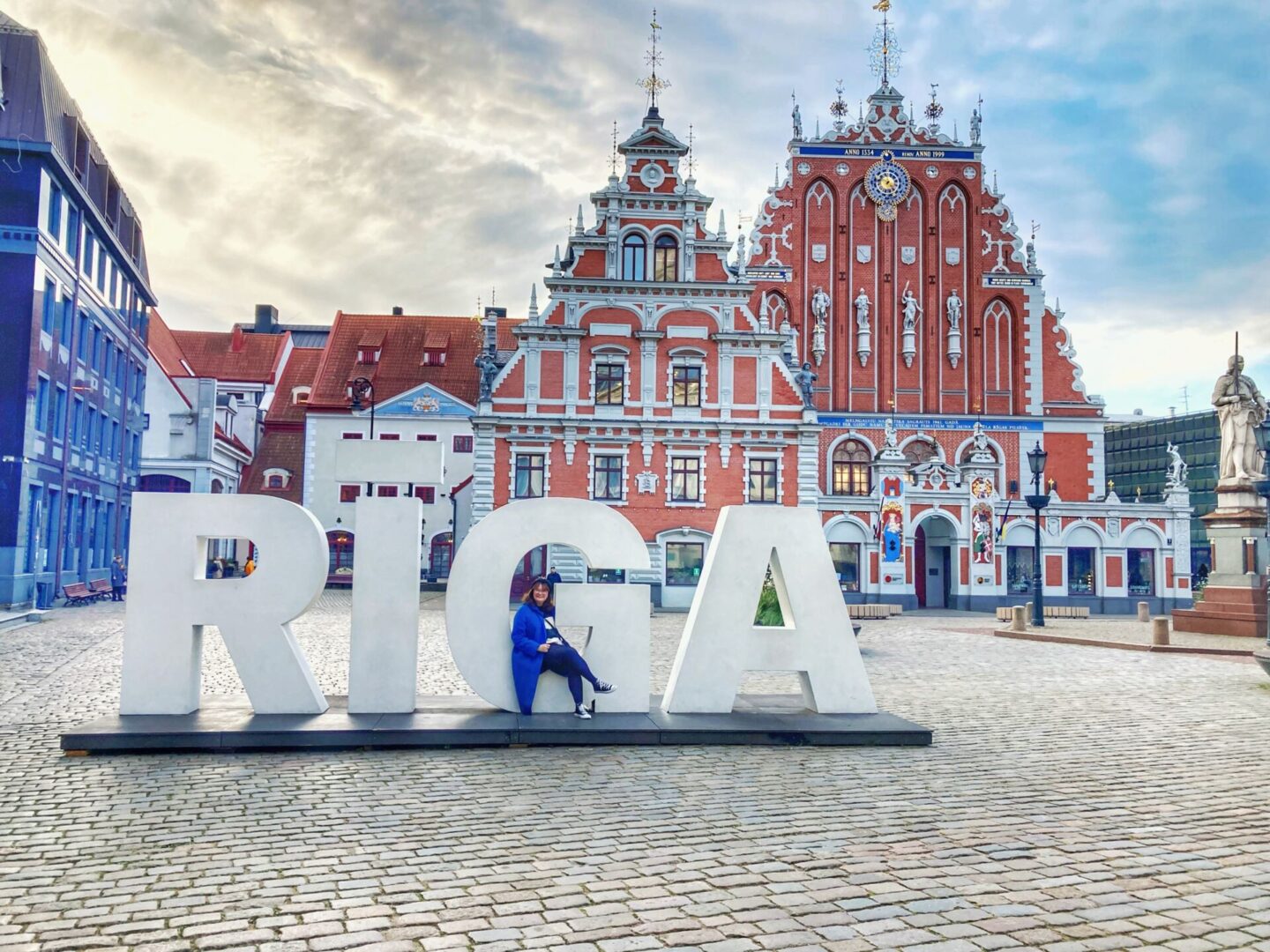
Riga, the largest city in the Baltic states, draws travelers with its remarkably preserved medieval old town, its astonishing concentration of Art Nouveau architecture, and a food culture that blends Latvian tradition with broader Baltic and Northern European influences. Yet Riga’s charm does not reveal itself all at once—it hides in the turn of a cobblestone alley, in the bustle of a century-old market, and in the stories behind every church spire. To truly understand this city, a good guided tour often accomplishes more than three days of wandering alone. Below is a guide to the best tours Riga has to offer, spanning old town walking tours, food explorations, water-based sightseeing, and day trips beyond the city, so you can plan a memorable visit around your own interests and pace.
1. Old Town Walking Tours: Touching Eight Centuries of History
Riga’s Old Town (Vecrīga) is a UNESCO World Heritage Site and an essential stop for every visitor. Walking its narrow streets with a knowledgeable local guide is the most direct way to grasp the city’s story.
A typical Old Town walking tour lasts 1.5 to 2 hours and covers more than 20 major sights. Starting from the Powder Tower, you can stroll along the remnants of the old city wall and pass through the Swedish Gate—the only surviving gate of the old fortifications, built in 1698. The Three Brothersare Riga’s most famous medieval dwellings, three buildings of differing styles standing side by side, each speaking a different architectural language. Riga Cathedral and St. Peter’s Churchdefine the Old Town skyline; the latter was once considered the tallest church tower in the Baltic region, and the stories behind it are often told with real flair by guides.
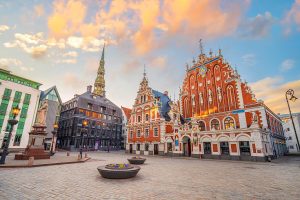
In Town Hall Square, the House of the Blackheads is one of the most photographed buildings in the Old Town. Built for the Brotherhood of Blackheads in honor of St. Maurice, its ornate gabled façade stands as a testament to Riga’s prosperous trading history. Many tours also include a tasting of Riga Black Balsam—the traditional dark herbal liqueur at 45% ABV that is Latvia’s most iconic drink, usually downed in a single shot that sends warmth spreading through the body.
It is worth noting that some tours provide multilingual headset systems supporting English, German, Russian, Italian, Spanish, French, and Finnish, so even in a larger group you can hear the commentary clearly. Choosing a small-group tour (typically capped at 20 people) offers a more comfortable experience, with more opportunities to ask your guide questions and get personalized advice for the rest of your trip.
2. Food Explorations: Tasting the Soul of Latvia at the Central Market
If an Old Town walk feeds the mind, a food tour feeds the senses. The Riga Central Market is one of Europe’s largest open-air markets, and its five enormous halls—converted from Zeppelin hangars—are themselves a masterpiece of industrial heritage, inscribed on the UNESCO World Heritage List.
A high-quality Central Market food tour typically lasts around 2 hours and offers tastings of as many as 20 traditional Latvian foods and drinks. From rye bread to smoked meats and fish, from local cheeses to fermented vegetables, and on to hemp seed products and craft beer, the exploration builds layer by layer. Some tours also let you taste grey peas with ham—a dish that looks humble but delivers deep flavor, and is a national favorite—along with Riga Black Balsam as a digestif.
For travelers with dietary restrictions, Latvian food tours can usually accommodate vegetarians, with about 70% of the tastings suitable for vegetarians and additional vegetarian options provided. However, because traditional Latvian cuisine is built on meat and fish, vegans will find the choices more limited, with roughly 40% of the content being vegan-friendly. Guides often also share tips on shopping at the market and choosing local ingredients, and may even offer participants an exclusive discount on the products they have tasted.
If you want to combine food with sightseeing, some combination tours offer a boat cruise plus Central Market tasting package—first a cruise along the Riga Canal to take in the waterfront, then a walk to the market for about an hour of tasting, all accompanied by a professional guide.
3. From the Water: A Relaxed Cruise Along the Canal and Daugava
Seeing Riga from the water is a completely different experience. Boat tours on the Riga Canal and the Daugava River typically last around 1 hour, letting you take in the city’s landmarks at an easy pace.
The route usually departs from the Andrejosta yacht club, gliding past Riga Castle and the National Opera House, then turning onto the Daugava to admire the Stone Bridge and the reflections of the city skyline. Sunset cruises are especially popular, when warm light spills across the water and the silhouettes of church spires are drawn with particular clarity—an ideal moment for photographers.
For travelers who want to cover everything at once, a cruise plus electric bus combination ticketoffers both water and land perspectives. The boat portion lasts about 50 minutes, followed by a roughly 45-minute Old Town tour by eco-friendly electric bus, passing Freedom Monument, Riga Cathedral, the House of the Blackheads, and Līvu Square, with audio commentary throughout and a drink included.
Keep in mind that cruise routes may be adjusted due to weather; when wind speeds exceed 18–20 meters per second, cruises are suspended for safety reasons.
4. Art Nouveau Special: Decoding the Architecture of Alberta Street
Riga has the highest density of Art Nouveau architecture in Europe, with more than a third of the city center’s buildings belonging to this style, concentrated mainly along Alberta iela and the surrounding streets. For architecture lovers, a dedicated Art Nouveau tour is an indispensable part of a Riga visit.
These tours usually last 1 to 2 hours, and guides help you read the façade masterpieces left by architects such as Mikhail Eisenstein—the elaborate reliefs, grotesque faces, and symbolic figures all carry specific cultural codes. A skilled guide not only explains the architectural style itself but places it within the historical tension between Latvia’s late Russian Empire period and its early independence, letting stone and stucco tell the story of a nation’s search for identity.
Some Art Nouveau tours take the form of a mobile self-guided puzzle game, in which you play a character and solve clues to gradually uncover the stories behind the buildings—ideal for travelers who prefer to explore at their own pace, and relatively inexpensive.
5. Day Trips Beyond the City: Castles, Caves, and Nature
If time allows, a day tour from Riga reveals a more complete picture of Latvia.
Sigulda and Gauja National Park is the most highly recommended single-day destination, about an hour from Riga by train. It combines Turaida Castle—a restored 13th-century red-brick fortress with panoramic views of the Gauja Valley from its tower—and Gutmanis Cave, the largest cave in the Baltic region, whose sandstone walls bear inscriptions dating back to the 16th century. Hikers can follow well-marked trails through pine forests and along sandstone cliffs, while viewpoints at Krimulda and Paradīze offer spectacular valley vistas.
For history enthusiasts, the Soviet nuclear bunker near Līgatne is a unique destination—a Cold War–era underground command post built for the Soviet Latvian leadership, now open for guided visits by advance reservation. The Salaspils Memorial is a remembrance site established on the grounds of a Nazi concentration camp, its massive abstract concrete sculptures packing tremendous emotional force; it lies about 20 kilometers from Riga and is reachable by train.
Further afield, a combination tour of Rundāle Palace and Bauska Medieval Castle (about 7.5 hours) suits travelers interested in Baroque palaces and medieval military architecture.
Conclusion: Choosing the Right Tour for You
Riga’s tour offerings are rich, and the key is matching them to your interests and your time. If it is your first visit and time is limited, an Old Town walk with a Black Balsam tasting is the safest starting point. If food culture excites you, a Central Market food tour delivers the most immediate sensory pleasure. If you prefer a relaxed pace, a canal cruise offers the lowest-effort overview of the city. And if you have a full day to spare, a day trip to Sigulda will show you that Latvia is more than Riga.
When booking, look for options that feature small groups, locally operated guides, and free cancellation—these usually mean more flexible itineraries and a more authentic local perspective. Riga’s beauty requires eyes willing to pause and look closely, and a voice that can tell its stories. That is precisely the value a good guided tour provides.
Book your guided tours and excursions in Riga with GetLocals.

Bryn Jacobs Chief Editor
Hello dear Travelers! I am Bryn Jacobs and I am your travel advisor. Having a vast experience in traveling throughout Eastern Europe and having researched this part of the world myself. I write articles on the site about travel experiences in Eastern Europe with statistics and interesting facts.